

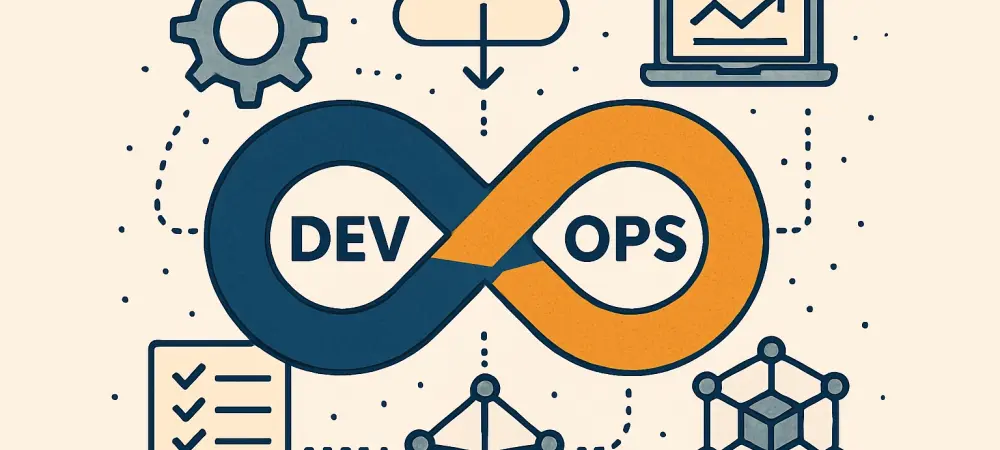
In recent years, the transformation wrought by artificial intelligence across diverse industries has become undeniably evident, particularly in the realm of DevOps. As technology surges forward at an unprecedented pace, organizations increasingly seek automated solutions to keep up with dynamic changes and stay ahead in the competitive landscape. The field of DevOps, responsible for streamlining software development and operations, is experiencing significant advancements due to AI integration. This article delves into the current state of AI-driven DevOps automation, examining market growth, real-world applications, expert insights, and future projections that underscore the profound impact these innovations are poised to usher in.
Current Landscape and Adoption of AI-Driven DevOps
Market Dynamics and Adoption Trends
The DevOps sector is witnessing swift adoption of AI technologies, with recent data indicating a substantial upsurge in the incorporation of AI-driven automation strategies. Reports reveal that from 2025 onward, the demand for AI-enabled DevOps solutions is projected to climb significantly, driven by the push for enhancing system efficiency and reducing human error. Analysts forecast that the AI in DevOps market is set to achieve remarkable growth, presenting a lucrative landscape for stakeholders willing to invest in innovation and development.
Real-World Applications and Case Examples
Numerous companies have already embraced AI-driven DevOps, showcasing tangible improvements in operational efficiency. For instance, DuploCloud’s collaboration with Amazon Web Services exemplifies a real-life application where AI technologies optimize DevOps processes, promising secure and compliant cloud operations. By leveraging tools powered by large language models, such as Amazon Bedrock, companies have successfully automated intricate processes, enabling real-time infrastructure development and incident management. Testimonials from industry leaders highlight reduced complexity and enhanced accuracy as pivotal advantages providing competitive edges.
Expert Insights and Industry Perspectives
Insightful contributions from industry experts emphasize the pivotal role of AI in reshaping DevOps methodologies. Venkat Thiruvengadam, CEO of DuploCloud, comments on the strategic collaboration with AWS and its impact on simplifying DevOps complexity for rapidly growing enterprises. Challenges such as integration hurdles and maintaining compliance are addressed through advanced AI capabilities, with the collaboration promising innovative solutions geared toward overcoming these obstacles. Jon Jones from AWS advocates for the potential of generative AI in enhancing security and compliance, creating opportunities for startups to innovate confidently within robust cloud environments.
The Future of AI-Driven DevOps
Considering the trajectory of AI-driven DevOps, the future promises transformative advancements likely to influence various industries broadly. Innovations in AI could sharpen DevOps processes further, streamlining workflows while guaranteeing security and compliance standards. The implications extend across multiple sectors, producing both optimistic and cautionary outcomes wherein continued AI integration enhances productivity, though requires vigilant monitoring for ethical considerations and unintended consequences. Anticipated advancements may redefine fundamental practices, urging enterprises to adapt and integrate innovative strategies rapidly to stay relevant.
Conclusion and Path Forward
Reflecting on the analysis, AI-driven DevOps has reshaped the traditional paradigms, offering unprecedented benefits that enhance organizational capabilities while simplifying operational complexity. The introduction of AI technology paved new pathways for tackling longstanding challenges in DevOps environments, thereby accelerating innovation. As enterprises prepare to embrace these changes, staying informed about emerging AI technologies in DevOps can offer significant competitive advantages. Companies should explore and adopt these solutions, fostering adaptability and resilience in an evolving tech landscape. Looking ahead, AI-driven automation holds the key to unlocking potential and spearheading progress, compelling organizations to decisively engage in strategic innovations as the technology unfolds.