

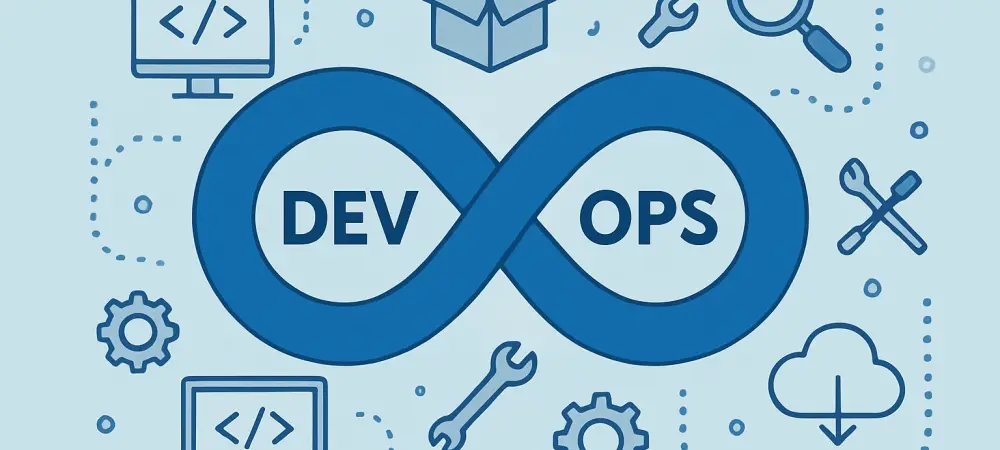
The digital transformation landscape is undergoing an unprecedented change with the rise of agentic artificial intelligence within DevOps. This surge marks a pivotal moment where AI systems transition from auxiliary tools to dynamic entities autonomously managing tasks traditionally reserved for human intervention. By addressing actions such as deployment failure management and integration into incident dashboards, agentic AI reshapes the core functions of software development and operations.
Current Landscape of Agentic AI in DevOps
Adoption Trends and Growth Statistics
The adoption of agentic AI in DevOps is witnessing exponential growth, reflecting increased confidence in its ability to streamline processes. Companies implementing these AI solutions report significant improvements in productivity and efficiency. Research indicates that enterprise usage has more than doubled since 2015. Reports highlight a high rate of adoption as developers integrate agentic AI platforms to optimize workflow, substantiating these systems’ importance in modern DevOps environments.
Real-World Applications and Case Studies
Notable companies illustrate the transformative capabilities of agentic AI by showcasing practical implementations. Software giants have adopted tools like GitHub Copilot, demonstrating its prowess in autonomously managing complex tasks. Case studies reveal how these AI entities reduce cycle times, unlocking new possibilities in software delivery. For example, some firms have employed AI systems that autonomously patch legacy systems, achieving substantial cost savings.
Expert Insights on Agentic AI
Thought leaders and industry experts offer a nuanced perspective on the implications of integrating agentic AI within DevOps. These autonomous systems promise enhanced software delivery and innovation, yet they pose significant challenges that require attention. Professionals emphasize the potential for increased output alongside matters such as altered security protocols. Importantly, experts advocate for systems capable of balancing automation with significant human oversight to optimize security and efficiency.
Future Prospects and Implications
Agentic AI’s trajectory in DevOps suggests promising advancements ahead, yet it also foreshadows challenges that must be carefully navigated. As technology evolves, it is essential to consider potential innovations that could further enhance AI’s capabilities in monitoring, control, and prediction within pipelines. The implications of this trend extend beyond DevOps, potentially reshaping industries and businesses globally. Addressing emerging security concerns will remain pivotal in ensuring sustainable integration that can capitalize on agentic AI’s vast capabilities.
Conclusion
Agentic AI is revolutionizing the DevOps landscape, bringing forth substantial efficiencies while challenging traditional processes with new models of automation. The discourse around agentic AI highlights the pressing need to leverage its capabilities thoughtfully to reap benefits while mitigating security risks effectively. Those who strategically plan for AI integration are poised to harness its transformational potential, ushering in a future where autonomous systems play a vital role in DevOps and beyond. Exploring proactive security measures and continuous adaptation will be crucial as businesses embrace agentic AI’s innovative pathways.