

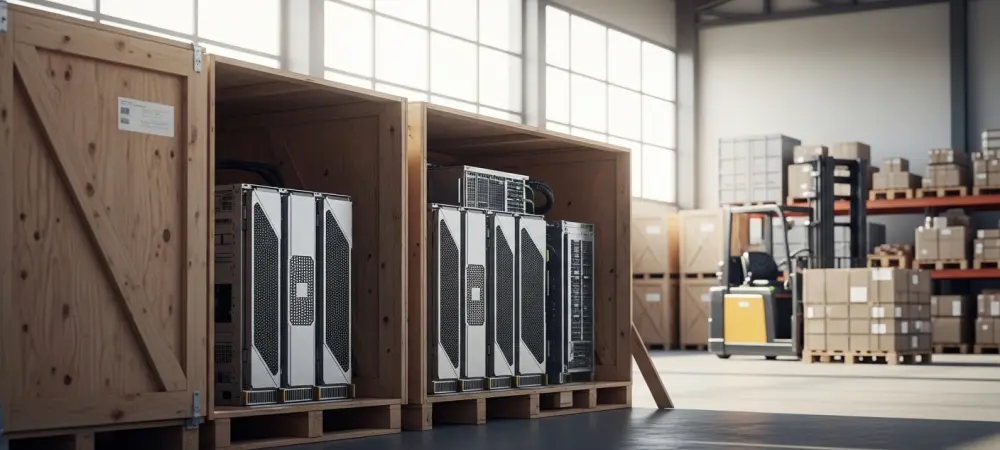
When a boutique whiskey importer begins ordering high-end Nvidia hardware by the container load, it is a clear sign that the global economy has reached a digital tipping point where traditional assets yield to the power of silicon. This radical transition is not a plot from a speculative business novel; it is the current reality for traditional firms across the globe. From car leasing agencies to shoe manufacturers, companies that once dealt in tangible goods are now aggressively reallocating their capital into the silicon and steel of AI data centers.
This massive shift suggests that the demand for computing power has become so insatiable that it is drawing in players from the most unexpected corners of the market. The velocity of capital movement indicates that the traditional divide between tech and non-tech companies is dissolving. As margins erode in consumer-facing sectors, the allure of infrastructure-as-a-service becomes an irresistible siren song for corporate boards looking to future-proof their balance sheets and secure a foothold in the computational era.
The New Industrial Revolution: From Spirits and Sedans to Servers
The pivot toward artificial intelligence and data center development is driven by the recognition that digital infrastructure has become the foundational utility of the modern age. As traditional sectors face stagnation, the AI boom offers a high-growth safe haven for companies looking to preserve shareholder value. This transition is about aligning with structural shifts that prize data throughput over physical inventory. By rebranding as infrastructure providers, legacy brands move away from volatile consumer markets into the world of essential technology services.
Global appetite for AI processing requires a massive surge in physical capacity, creating a lucrative opportunity for firms with capital to pivot. These companies are betting that the demand for AI computing resources will remain resilient even if specific software trends fluctuate. This shift allows them to leverage financial strength to enter a market where demand consistently outstrips supply, providing a level of predictability that is rare in traditional manufacturing. By securing the physical infrastructure, they position themselves as indispensable components of the modern supply chain.
Why Legacy Brands Are Betting on Digital Infrastructure
The transition from traditional business models to high-tech infrastructure is manifesting in diverse ways across geographic regions. Agencia Comercial Spirits, a Nasdaq-listed firm previously known for distributing premium whiskies in Taiwan, has committed tens of millions to transform into an AI infrastructure provider. Their flagship project in West Java involves a substantial construction contract and a multi-million dollar investment in networking equipment. This move highlights a complete overhaul of corporate identity, moving from liquid assets to digital ones to capture high-growth potential.
Senmiao Technology provides another compelling example of this global trend. Formerly a car leasing firm in China, the company has pivoted toward the United States market through a strategic joint venture. By forming Nebula Matrix AI LLC with a Texas-based electrical contractor, Senmiao is leveraging local expertise to develop and operate AI-centric data centers. This move allows a firm rooted in vehicle finance to capture a share of the massive investment cycle currently fueling the American technology sector, demonstrating how existing capital can be repurposed for the digital age.
Examining the Pivot: Case Studies in Global Transformation
Industry leaders are emphasizing disciplined execution as the primary requirement for these radical transitions to succeed. CEO Tsai Yi-Yang has noted that success in this new sector depends heavily on operational readiness and the reliable delivery of high-end hardware. The sentiment among these transforming firms is that the transition is not merely a tactical pivot, but a necessary evolution to ensure survival. This mindset is shared by a growing list of entities—including recruitment websites and healthcare providers—who see the physical data center as a reliable asset class. By focusing on the physical layer of the AI stack, these companies provide the essential picks and shovels for the digital gold rush. This approach mitigates the risk of betting on a single AI application, instead allowing the firm to profit from the broader growth of the entire ecosystem. Moreover, the long-term nature of infrastructure contracts provides a stable revenue stream that traditional retail models often lack. The focus remains on securing the hardware necessary to sustain the current wave of computational demand, which is seen as a more tangible bet than software.
Insights from the C-Suite on Capital Reallocation and Risk
For traditional companies looking to replicate these moves, the path to AI infrastructure involved specific strategies that mitigated entry barriers. Firms established capital asset subsidiaries to isolate risks from legacy operations, ensuring corporate stability during the transition. Partnering with established contractors was crucial for bridging the technical knowledge gap that often hindered older organizations. These partnerships allowed firms to scale quickly without needing to build internal engineering teams from scratch, accelerating their entry into the competitive data center market. Companies also prioritized hardware-first strategies, securing procurement deals for high-demand GPUs and networking equipment early in the process. This forward-thinking procurement ensured they were not sidelined by global supply chain constraints that affected less prepared competitors. Shifting from product-based revenue to service-based models ensured a steady cash flow that mimicked the stability of traditional utilities. These strategic steps provided a blueprint for legacy brands to shed their old identities and emerge as central players in the ongoing digital infrastructure revolution.
Strategic Frameworks for a Successful AI Pivot
Successful firms utilized modular data center designs to decrease the time required for deployment and testing. This agility allowed them to meet the urgent needs of cloud providers and AI developers who required immediate capacity. Furthermore, these organizations integrated sustainable energy solutions into their infrastructure projects to align with environmental regulations and reduce long-term operational costs. By diversifying energy sources, they managed to maintain uptime and profitability even as power demands for high-density computing climbed. Strategic reinvestment of legacy profits into high-performance computing clusters created a diversified portfolio that appealed to risk-averse investors. These companies proved that traditional business acumen, combined with a willingness to embrace technological disruption, could redefine the limits of corporate growth. As the market matured, the most successful pivots focused on long-term scalability rather than short-term gains, ensuring their new digital divisions became the dominant drivers of revenue. This shift essentially reorganized the global corporate landscape into a network of nodes designed to power the next generation of human intelligence.