

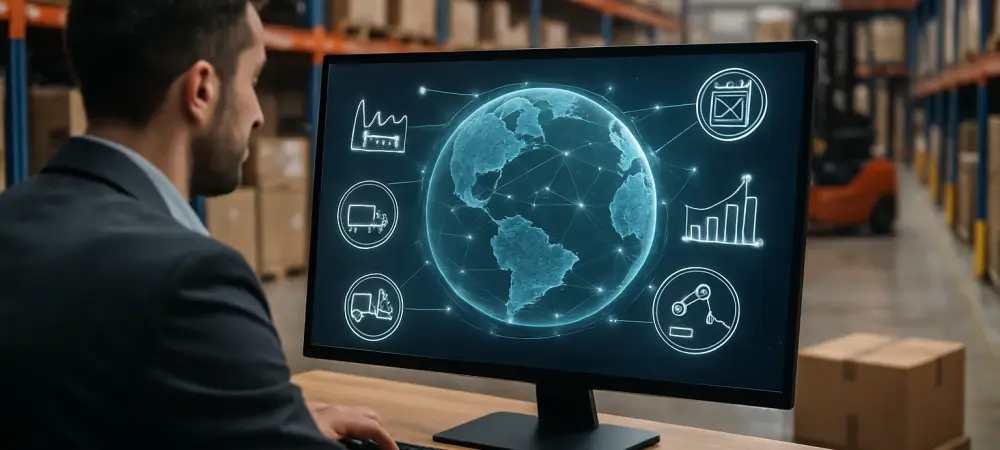
I’m thrilled to sit down with Dominic Jainy, an IT professional with deep expertise in artificial intelligence, machine learning, and blockchain. With a passion for applying cutting-edge technologies across industries, Dominic has been at the forefront of transforming supply chain management through AI-driven solutions. In this interview, we dive into the revolutionary impact of AI on supply chains in 2025, exploring how it enhances forecasting, optimizes inventory, streamlines logistics, and much more. Let’s uncover the insights and real-world benefits of AI in this critical business area.
How do you see AI shaping the future of supply chain management in 2025 and beyond?
AI is becoming the backbone of supply chain management, especially as we move into 2025. It’s not just about automation anymore; it’s about creating resilient, agile systems that can adapt to disruptions like global crises or shifting customer demands. AI, through platforms like Microsoft Dynamics 365, provides real-time insights and predictive capabilities that let businesses stay ahead of the curve. We’re seeing companies use AI to cut costs, boost profitability, and build supply chains that can withstand almost anything. It’s a game-changer.
In what ways have you observed AI transforming traditional supply chain operations?
Traditional supply chains relied heavily on manual processes and static data, which often led to inefficiencies like overstocking or delayed responses to market changes. AI flips that on its head by introducing dynamic, data-driven decision-making. For instance, machine learning algorithms can analyze vast amounts of information in real time, from sales trends to weather patterns, and adjust operations on the fly. I’ve seen businesses move from reactive to proactive strategies, where they anticipate issues before they happen, saving time and money.
Why do you think AI has become so critical for building resilience and profitability in today’s businesses?
The world is more unpredictable than ever—think supply chain disruptions, labor shortages, or sudden demand spikes. AI helps companies build resilience by predicting these challenges and offering solutions before they escalate. It also drives profitability by optimizing every link in the chain, whether it’s reducing excess inventory or cutting delivery costs. Businesses that leverage AI can respond faster to customer needs while keeping their margins healthy. It’s not just a tool; it’s a strategic necessity.
How does AI enhance demand forecasting compared to older, history-based methods?
Older forecasting methods were limited to historical sales data, which often missed the mark during unexpected shifts. AI takes it to another level by incorporating real-time inputs like market trends, pricing changes, and even external factors such as weather or geopolitical events. This creates a much more accurate picture of demand. With tools like Dynamics 365 Copilot, companies can reduce forecast errors significantly—I’ve seen reductions of up to 40%—which means less waste and better resource allocation.
Can you walk us through how AI manages inventory across multiple locations and why that matters?
Managing inventory across various warehouses is a logistical nightmare without the right tech. AI steps in by predicting optimal stock levels for each location based on demand patterns and automatically triggering reorders for high-demand items. It also flags slow-moving inventory to prevent overstocking. This matters because it frees up working capital and ensures products are where they’re needed most. Businesses often see inventory turnover improve by 10-30%, which is a huge boost to cash flow.
What’s your take on how AI predicts equipment failures in manufacturing, and how does that impact operations?
AI in predictive maintenance is incredible. It uses IoT sensors to monitor equipment for things like temperature, vibration, or unusual sounds, and then applies machine learning to spot patterns that signal a potential breakdown. This allows companies to schedule maintenance before a failure occurs, minimizing downtime. I’ve come across cases where manufacturers, using systems like Dynamics 365 with Azure IoT, avoided hundreds of hours of downtime in a single year. That kind of prevention keeps production lines running and saves massive costs.
How does AI assist in identifying and managing risks with suppliers?
AI transforms supplier risk management by analyzing a range of data points—delivery consistency, financial stability, pricing fluctuations, and even external risks like market instability. It assigns risk scores to vendors and alerts teams to potential issues before they disrupt operations. What’s really powerful is that AI can also suggest alternative suppliers if a problem arises. This proactive approach, often integrated into platforms like Dynamics 365, helps companies avoid costly delays and maintain smooth procurement.
What are some ways AI is making logistics and delivery routes more efficient?
AI in logistics is all about optimization. It analyzes real-time data like traffic conditions, fuel prices, delivery windows, and carrier capacity to plan the most efficient routes. This isn’t just about speed; it’s about cost savings and sustainability too. For example, I’ve seen a retail chain cut delivery times by nearly 20% and save hundreds of thousands in fuel and labor costs annually using AI tools. When integrated into ERP systems, these solutions ensure faster, smarter transportation planning.
How is AI revolutionizing warehouse operations beyond basic automation?
AI in warehouses goes way beyond scanning barcodes. It’s leveraging technologies like computer vision for inventory tracking, robotics for automated picking, and machine learning to prioritize orders based on urgency or type. This creates a seamless flow—think optimized bin locations and picking routes. The impact is staggering; some U.S. distribution companies report 30-50% increases in throughput. With AI tools in platforms like Dynamics 365, warehouses become hubs of efficiency, not just storage spaces.
What’s your forecast for the role of AI in supply chain management over the next decade?
I believe AI will become even more integral to supply chains over the next ten years, evolving from a supportive tool to the core of every operation. We’ll see deeper integration with technologies like blockchain for transparency and IoT for real-time tracking. AI will likely drive fully autonomous supply chains, where human intervention is minimal, and decisions are made in milliseconds based on predictive insights. For businesses, the challenge will be adopting these advancements quickly to stay competitive—it’s an exciting time, but the pace of change will be relentless.