

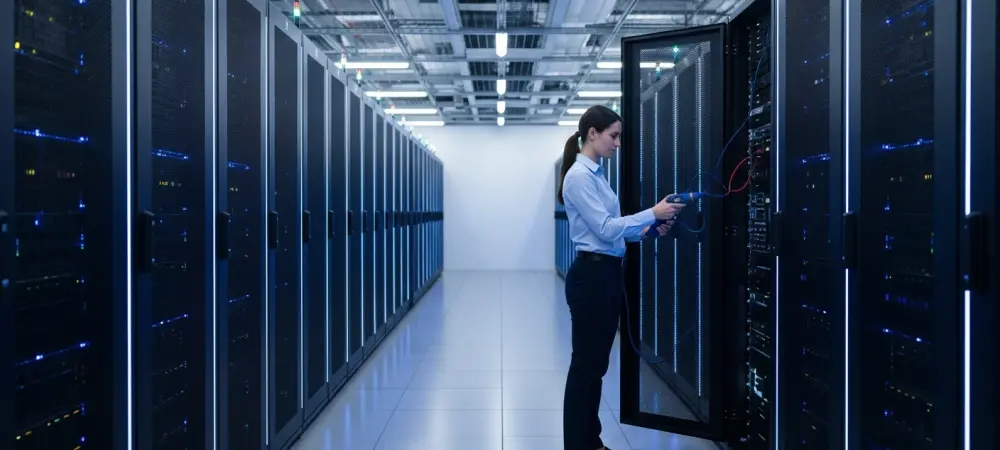
In a remarkable display of corporate reinvention, a Chinese technology firm once primarily known for its online automotive marketplace is now positioning itself at the epicenter of the global AI revolution through a strategic U.S. partnership. Token Cat, which operated under the name TuanChe until its recent pivot, has officially entered into a collaboration with the American company Better Now to develop and manage a high-capacity artificial intelligence data center in New York. This venture is far more than a simple expansion; it represents the cornerstone of an aggressive diversification strategy aimed at capturing a significant share of the high-growth, technology-intensive sectors driving the modern economy. By moving decisively into the U.S. AI infrastructure market, the company is signaling a complete departure from its previous business model and embracing a future defined by high-performance computing and international technological synergy, a bold move designed to meet the surging global demand for computational power head-on.
Forging an AI Stronghold in New York
The collaboration is formalized through a master service agreement that outlines a multi-phase development plan for a 30MW AI data center, a project of significant scale designed to serve the voracious needs of modern AI applications. The initiative’s viability is bolstered by an initial secured power capacity of 12MW, ensuring that the first phase can proceed without delay. Under the terms of the partnership, the responsibilities are clearly delineated to leverage each company’s strengths. Token Cat is tasked with the comprehensive project planning and, crucially, securing the necessary funding to bring the ambitious vision to fruition. In contrast, Better Now will act as the indispensable local partner on the ground, navigating the intricate landscape of regional regulatory compliance and overseeing the day-to-day management of the facility. This strategic division of labor aims to create a streamlined and efficient operational model, positioning the joint venture to effectively compete in the demanding and rapidly evolving market for AI computing resources.
A Billion Dollar Bet on a Digital Future
This venture into AI infrastructure does not exist in a vacuum; it is a key component of a much broader and more audacious corporate transformation that includes a deep dive into the cryptocurrency sector. This strategic shift began to accelerate in 2024, marked by the pivotal appointment of blockchain expert Sav Persico as Chief Operating Officer, who was tasked with leading a newly formed cryptomining division. The company’s commitment to this new direction was solidified when its board of directors approved a breathtaking $1 billion investment into crypto assets. This figure is particularly striking when contrasted with Token Cat’s modest market capitalization of around $25 million, underscoring the high-stakes nature of this strategic pivot. The investment portfolio is intentionally focused on emerging and high-potential tokens, with a particular emphasis on projects operating at the intersection of artificial intelligence and innovative RAW-to-chain initiatives, revealing a calculated plan to build a synergistic ecosystem between its data infrastructure and digital asset holdings.
Unifying a High-Risk, High-Reward Vision
Ultimately, the parallel pursuits of an AI data center in New York and a massive crypto investment were revealed to be two interconnected pillars of a single, unified corporate strategy. Company leadership, including CEO Guangsheng Lio and COO Sav Persico, consistently framed these bold decisions not as speculative gambles but as meticulously planned, disciplined, and long-term initiatives aimed at generating profound shareholder value. They articulated a cohesive narrative centered on building a diversified, future-focused technology portfolio resilient to the fluctuations of any single market. The crypto assets, for instance, were explicitly described as “long-term value reserves,” a designation that sought to distance the strategy from short-term trading and align it with the company’s infrastructure goals. This calculated articulation of a high-risk, high-reward vision was what ultimately drove the firm’s radical transformation from a regional marketplace to an aspiring global technology powerhouse.