

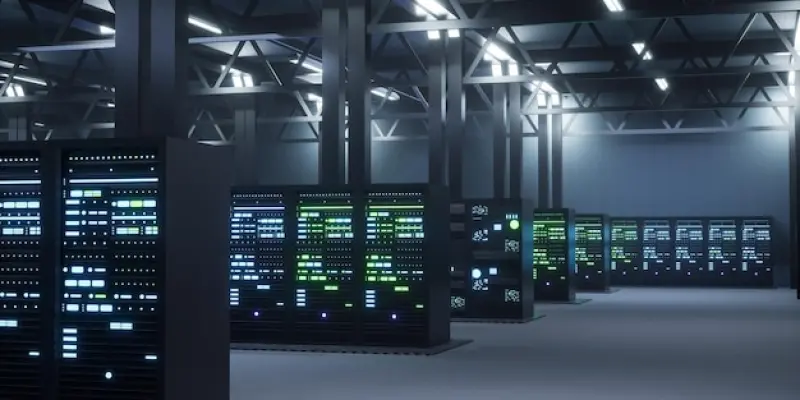
The data center industry is experiencing a transformative shift, exemplified by the rising use of cross-laminated timber (CLT) in eco-friendly construction. Once relegated to traditional building sectors, timber is gaining traction within the high-tech realm, courtesy of breakthroughs like Prior1’s innovative Eco Fix module. Emphasizing sustainability without compromising operational efficacy, these developments signal a new era for data centers. Modular construction and renewable materials are paving the way for environmentally conscious and efficient digital infrastructure solutions, setting a precedent in a field often dominated by concrete and steel.
Prior1’s Eco Fix Module
Design and Features
Prior1, a German-based data center firm established in 2008, is pioneering this shift with its introduction of the IT Container Eco Fix. This prefabricated timber module features cutting-edge technology integrated into its design, measuring 6.5 × 3.0 × 3.4 meters. Accommodating up to five racks and equipped with a 14kW propane-based indirect free cooling system alongside a 15kVA UPS module, the Eco Fix offers high-performance infrastructure capabilities. Developed collaboratively with the DERIX Group, it utilizes CLT for superior fire resistance and ecological sustainability. This wood-based construction aligns seamlessly with European standards, including F90 fire protection and RC2 burglar resistance, which are critical for maintaining data security and integrity. Each unit arrives ready for installation, requiring only power and networking connections on-site, underscoring the benefits of prefabrication and reducing construction lag time.
Benefits of Timber in Data Centers
The shift towards utilizing timber, particularly CLT, in data center construction is underscored by several key advantages, particularly its fire-resistant properties that defy widespread misconceptions about wood’s inherent flammability. Timber’s resilience is bolstered by glulam structural components, which have demonstrated strength and durability in conditions where other materials may falter. Critics often cite previous issues with wooden structures, yet contemporary design improvements highlight timber’s growing reliability and adaptability in technological environments. Companies such as EcoDataCenter and Microsoft are also integrating timber into their facilities, highlighting a significant trend within the industry. Microsoft’s initiative to incorporate wood into data centers in Northern Virginia and Vertiv’s TimberMod further bolster timber’s credibility in securing infrastructure while maintaining environmental integrity. This trend reflects broader sustainability goals, where timber’s renewable nature contributes to eco-conscious operational strategies.
Broader Industry Trends
Modular and Prefabricated Solutions
The data center sector is increasingly gravitating towards modular structures, driven by the need for efficiency, flexibility, and rapid deployment capabilities. Prefabricated modules offer a strategic advantage, ensuring consistency and quality control while minimizing time and labor costs associated with traditional construction methods. Virginia-based Compu Dynamics has expanded its operations with a new Modular division, targeting AI-driven and next-generation enterprise workloads. This evolution toward modular, high-density solutions showcases how prefab architecture caters to the accelerating demands for digital infrastructure. The adaptability of these solutions allows for scalable data center expansions, thus supporting burgeoning tech innovations and digital transformations with streamlined efficiency. This approach not only enhances operational agility but also optimizes energy consumption, aligning with the environmental benchmarks increasingly prioritized across industries.
Timber’s Role in Sustainability Initiatives
The adoption of timber in data center construction represents an increasingly strategic choice, intertwining sustainability with operational efficacy. As businesses aim to reduce carbon footprints, timber emerges as a viable alternative to conventional materials, offering renewable and recyclable benefits. Wooden structures breathe life into eco-friendly building designs without sacrificing the robustness required for high-performance digital equipment. This choice reflects a broader commitment to environmental stewardship within the tech industry, promoting both energy conservation and optimized resource management. Embracing timber also aligns with modularization strategies, combining the sustainability of wood with the efficiency of prefab construction processes. The harmony between ecological consciousness and infrastructural needs positions timber at the forefront of innovative solutions designed to meet future digital and environmental challenges.
Future Considerations
Strategic Selection of Materials
Timber’s integration into data center construction offers valuable insights and possibilities for future advancements. The evolution of construction methodologies and the gradual pivot towards eco-friendly practices present an opportunity for further exploration into using renewable materials. As sustainability becomes an unyielding focal point, stakeholders are likely to invest more in developing cutting-edge wood-based solutions, ensuring reliability and operational excellence. Efficient material selection, coupled with technological innovations, may revolutionize digital infrastructure, promoting a balanced fusion of renewables and high-tech architectures. This synergy can drive significant advancements in the protection of sensitive data and the reduction of environmental impact, facilitating a sustainable growth trajectory within the industry.
Addressing Environmental Challenges
The data center industry is undergoing a significant transformation, marked by an increasing adoption of cross-laminated timber (CLT) used in environmentally sustainable construction practices. Traditionally associated with conventional architecture, timber is now becoming more prevalent in the high-tech industry, thanks to innovative solutions such as Prior1’s Eco Fix module. This innovation highlights a commitment to sustainability without sacrificing operational performance, signaling a transformative era for data centers. The move towards modular construction techniques and renewable materials is creating a path for digital infrastructure solutions that are both environmentally friendly and efficient. This shift represents a notable departure from the typical reliance on concrete and steel, and instead focuses on materials that are kinder to the environment. As such, this approach sets a new benchmark in an industry that has long been dominated by less sustainable materials, reflecting a broader trend toward eco-consciousness in high-tech construction.