

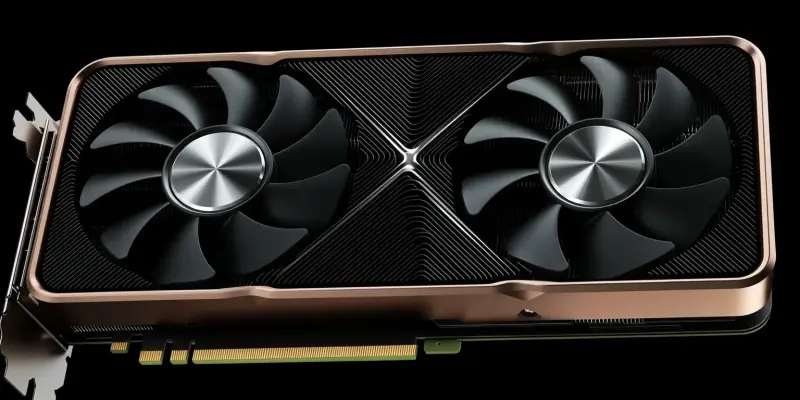
Nvidia’s recent announcement of a $999 MSRP for the RTX 5080 was met with enthusiasm by gamers and tech enthusiasts eagerly anticipating the new graphics card release. However, this excitement has quickly turned to concern as third-party manufacturers, particularly Gigabyte, have begun listing their versions of the RTX 5080 at prices significantly higher than Nvidia’s suggested retail price. According to prices listed by a Finnish retailer, Proshop, these third-party models exhibit dramatic price hikes that risk making the new graphics cards inaccessible to many potential buyers.
Discrepancies in Pricing Among Third-Party Cards
Gigabyte’s Pricing Strategy
Gigabyte’s approach to pricing their RTX 5080 models has left many disappointed and frustrated. While Nvidia’s Founders Edition MSRP is set at $999 in the US and €1,229 in Finland, Gigabyte’s options are considerably more expensive. The Gigabyte WindForce variant is the only model listed at the MSRP, providing a glimmer of hope for those hoping to secure a cutting-edge GPU without breaking the bank. Unfortunately, the remaining six Gigabyte models reflect a starkly different trend. The Gaming OC and Aero OC, for example, are both priced at €1,419, demonstrating a significant 15% markup over Nvidia’s MSRP.
Further exacerbating the situation, other Gigabyte versions are even higher priced. The Aorus series, known for its premium and high-performance designs, highlights this issue starkly. The Aorus Master is priced at €1,549, while the most expensive variant, the Aorus Xtreme WaterForce, escalates to a staggering €1,669. These prices mark an increase of approximately 35% from Nvidia’s recommended retail price. Such substantial markups not only strain the budgets of consumers but also limit the appeal of upgrading to the latest technology, posing significant accessibility hurdles.
Potential Factors Behind the High Prices
While the exact reasons behind these price hikes remain speculative, several factors likely contribute to this trend. One possibility is that these prices are speculative placeholders set by Proshop in anticipation of future demand and market conditions. Another consideration is the profitability and additional features third-party manufacturers incorporate into their designs. Enhanced cooling systems, overclocking capabilities, and superior build quality could justify part of the price increase.
However, these explanations do little to alleviate consumer concerns, as the end result remains clear: securing a high-performance GPU at the MSRP has become increasingly challenging. This trend reveals the complexities of the GPU market, where Nvidia’s efforts to offer an accessible MSRP are undermined by third-party pricing strategies. Such discrepancies raise questions about how these dynamics will impact overall sales and consumer satisfaction, especially for those who have been eagerly waiting to upgrade their systems.
The Broader Impact on the GPU Market
Consumer Sentiment and Market Reactions
The disparity between Nvidia’s MSRP and third-party prices has led to mixed feelings within the gaming and tech communities. On one hand, there is relief that Nvidia has set a reasonably affordable MSRP for the RTX 5080, providing a potential gateway for more users to access high-end graphics cards. On the other hand, frustration abounds due to the reality of inflated prices from third-party manufacturers. This dichotomy reflects a broader tension in the tech market: the desire for cutting-edge technology at fair prices juxtaposed against the market dynamics that drive costs higher.
This pricing landscape indicates that the availability of GPUs at or near MSRP might be short-lived. Should Nvidia’s Founders Edition and any reasonably priced third-party cards sell out swiftly, consumers will be left with only the more expensive options as their choices. Such a scenario could lead to a situation where many enthusiasts are priced out of the market, unable to afford the substantial price premiums. The anticipation of grappling with these potential hurdles adds a layer of anxiety for those eager to secure new hardware upon release.
Long-Term Implications and Hope for Competitive Pricing
The long-term effects of this pricing issue are yet to be fully seen, but they could influence both market trends and manufacturer strategies moving forward. If these inflated prices persist, it may prompt consumers to seek alternative solutions, such as waiting for price drops or exploring competing brands that offer more balanced pricing structures. Furthermore, sustained consumer pushback against high prices could push third-party manufacturers to reassess their pricing models, striving for a fairer balance between profit margins and customer satisfaction.
Despite these challenges, there is still cautious optimism that other manufacturers might step in to provide RTX 5080 models closer to Nvidia’s MSRP. This could foster a more competitive market environment, encouraging more accessible pricing and potentially spurring advancements in graphics technology. By observing the initial market reactions and learning from the current sentiment, manufacturers might adjust their strategies to align more closely with consumer expectations and financial constraints. The ongoing response from both consumers and manufacturers will shape the ultimate trajectory of the RTX 5080’s market presence.
Conclusion
Nvidia recently announced the RTX 5080 graphics card with an MSRP of $999, generating excitement among gamers and tech enthusiasts eagerly waiting for its release. However, the initial enthusiasm has quickly turned into concern. Third-party manufacturers, notably Gigabyte, have begun listing their versions of the RTX 5080 at prices substantially higher than Nvidia’s suggested retail price. This development has alarmed potential buyers who were hoping to get their hands on the new graphics card at a reasonable price.
Reports from a Finnish retailer, Proshop, indicate that these third-party models come with significant price hikes. Consequently, the new graphics cards are at risk of becoming unaffordable for a large segment of the market. This situation highlights the ongoing issue of price inflation caused by third-party manufacturers, which has frequently plagued the PC hardware industry. While Nvidia’s MSRP aimed to make the RTX 5080 accessible to a broader audience, the actions of third-party companies could potentially undermine this goal, making it a challenge for many gamers and tech enthusiasts to acquire the latest technology.