

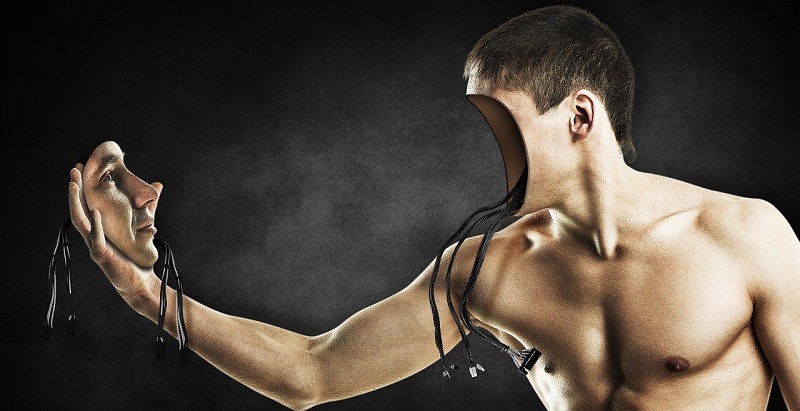
The field of artificial intelligence (AI) is constantly advancing, and one area where it is being explored is in therapy. AI-based therapy programs are being developed to help people with mental health issues. But can AI really replace human connection and the role that it plays in healing? In this article, we will explore the importance of human attachment in AI therapy.
The Role of Attachment in Therapy
Humans have an innate need for attachment, which is particularly important in therapy. Human connection is crucial for healing and creating meaning. When a person feels emotionally isolated, they may struggle to develop trust in others. In therapy, attachment plays a vital role in helping patients heal from past traumatic experiences. For example, a patient who experienced childhood abuse may find it challenging to trust others. However, by forming a strong attachment to their therapist, they can learn to trust again and feel safe.
Limitations of AI Therapy
While AI has a lot to offer in terms of gathering information and educating us at a cognitive level, it is impossible by definition for it to meet human attachment needs. The stakes of therapy are high, and an AI program may not be able to provide the level of emotional support needed for patients to truly heal. Even at its most advanced, super-intelligent state, an AI therapy program could not replace human presence and a felt sense of shared existence.
The Need for a Human Connection in Therapy
To overcome the relationship rules developed in childhood, a patient needs to experience a new kind of attachment connection. This connection must first speak to their senses and nervous system through the presence of another person. AI may be able to simulate a conversation, but it cannot provide the emotional connection that a human therapist can. Neuroscience explains why we need a real person and not just words to develop an attachment.
In conclusion, AI therapy programs may offer a lot in terms of cognitive information and education, but they cannot replace the importance of human attachment in healing. The development of more advanced AI therapy programs will continue, but it is crucial to recognize the limitations of AI in this area. We need real human connections to form the kind of attachment necessary for healing. As such, we must continue to prioritize the importance of human connection in therapy and recognize the critical role attachment plays in mental health.