

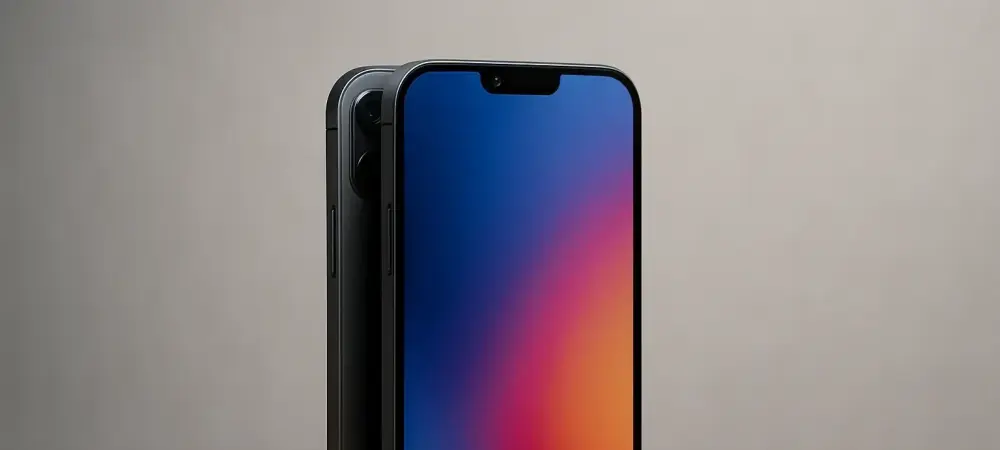
In a market saturated by the ceaseless drumbeat of annual product launches, the very notion of a “new” smartphone increasingly prompts a question not of what it can do, but why it even exists. This existential query now looms over the rumored iPhone 17e, a device that appears poised to succeed a predecessor that itself struggles with a clear identity. The potential release of another budget-tier iPhone forces a critical examination of Apple’s product strategy, questioning whether the relentless pursuit of an annual refresh cycle serves any meaningful purpose for the consumer or the company in an increasingly complex economic environment. This is not merely a question of new features, but a deeper inquiry into value, necessity, and the very definition of progress in the modern smartphone era.
The Unnecessary Sequel: Does Every iPhone Really Need a Yearly Refresh?
The fundamental argument against the existence of an iPhone 17e begins with a simple observation of the current market. In a challenging global economy, consumers are demonstrating a clear trend toward longer upgrade cycles and more considered purchasing decisions. The days of automatic annual upgrades are fading for all but the most dedicated tech enthusiasts. Against this backdrop, the introduction of a new budget-oriented model just one year after its predecessor feels distinctly out of sync with consumer behavior and economic realities.
This skepticism is compounded by the specific context of the iPhone 16e, a device launched in early 2025 that was, by all accounts, built to last. It incorporated a flagship-level processor specifically to ensure its longevity and performance for years to come. The introduction of a direct successor so soon suggests a strategy driven more by a rigid marketing calendar than a genuine technological need or a compelling new value proposition. It positions the potential iPhone 17e not as an essential evolution, but as a seemingly obligatory sequel to a story that was far from over.
Apple’s Paradoxical Powerhouse: Contextualizing the Current iPhone 16e
To understand the challenge facing a potential iPhone 17e, one must first appreciate the uniquely conflicted nature of its predecessor. The iPhone 16e is a strange and paradoxical device, an engineered hybrid of cutting-edge internals and conspicuously dated external features. At its core, the device is powered by the formidable A18 chip and a substantial 8GB of RAM, granting it processing capabilities on par with the flagship iPhone 16 line. This internal power is paired with a capable 48MP main camera, ensuring it performs key tasks exceptionally well.
However, this modern powerhouse is housed in a chassis that feels like a deliberate compromise. Its most glaring limitation is the 60Hz notched display, a component that dates back to the discontinued iPhone 14 and feels jarringly out of place in the upper-mid-range market of 2026. This juxtaposition, combined with a $599 starting price that pushed it far beyond the traditional iPhone SE budget category, cemented its identity as a device of contradictions. Its primary role became clear: to serve as the most affordable gateway to Apple’s modern ecosystem and its critically important suite of Apple Intelligence features, even if the hardware experience was intentionally held back.
A Future-Proof Phone with a Dead-End Upgrade Path
The strongest case against a new model is the robust capability of the existing one. The iPhone 16e, with its A18 processor, was designed with more than enough overhead to handle the software demands of today and tomorrow. It is fully equipped to run the upcoming iOS 26 and any new AI functionalities Apple introduces, making a hardware refresh on performance grounds entirely redundant. The device is not approaching obsolescence; it remains a highly competent performer for multitasking, gaming, and any intensive application in the App Store. Furthermore, Apple’s rigid product hierarchy makes any meaningful upgrade to a potential iPhone 17e highly improbable. The company strategically reserves its most compelling features for its premium Pro models to drive sales and maintain clear product differentiation. Consequently, it is almost certain that standout innovations from the flagship iPhone 17 series, such as a secondary ultra-wide camera or the new Camera Control button, would not trickle down to a budget “e” model.
The upgrades that are considered plausible—thinner display bezels, the adoption of the Dynamic Island, or a Center Stage-enabled selfie camera—are welcome but ultimately incremental. While these would be improvements, they are minor quality-of-life adjustments rather than transformative features. For the vast majority of users, such subtle changes would fail to provide a compelling reason to purchase a new device, especially if it comes at a higher price point than its already capable predecessor.
The Squeeze of a Shrinking Market: Pricing Pressures and Industry Headwinds
The year 2026 is proving to be an unusually challenging period for the mobile industry, defined by significant economic headwinds and sharply rising component costs. The global boom in artificial intelligence has created unprecedented demand for key components like high-speed RAM, driving prices upward across the supply chain. This is a systemic issue affecting all manufacturers, not an isolated challenge for Apple.
This industry-wide pressure is reflected in market rumors that competitors, including Samsung, are contemplating price hikes for their upcoming Galaxy S26 series to offset these increased production costs. Apple’s long-standing strategy is to introduce price adjustments with new product generations rather than altering the cost of existing models mid-cycle. Following this precedent, a hypothetical iPhone 17e would almost inevitably launch at a higher price than the $599 tag of the current iPhone 16e.
This creates the central conflict for the rumored device. It would likely enter the market as a more expensive product offering only a handful of minor, non-transformative upgrades. Such a scenario severely undermines its value proposition. A more consumer-friendly and logical approach would be for Apple to continue selling the well-regarded iPhone 16e at its established price, preserving a viable and accessible entry point into its ecosystem without forcing an unnecessary and costly upgrade.
The Consumer DilemmA Phone in Search of an Audience
Ultimately, the most pressing issue for a potential iPhone 17e is its poorly defined target demographic. The launch of the iPhone 16e in 2025 was met not with the typical fanfare of an Apple release, but with a palpable sense of confusion. It failed to capture the nostalgic, budget-conscious appeal of the classic iPhone SE, yet it was too compromised to appeal to power users. A successor would inherit this fundamental identity crisis, leaving it struggling to find a dedicated audience.
An analysis of potential buyers reveals two distinct groups, neither of which is well-served by this rumored device. The first, tech-savvy consumers seeking the best value, would likely gravitate toward a discounted older flagship model. A year-old iPhone 16 or even a refurbished iPhone 15 Pro would offer a more complete and premium experience, with superior displays and more versatile camera systems, for a comparable price. The second group, the intended audience of budget-conscious users who simply want an affordable and functional iPhone, is the least likely to perceive or value the subtle performance differences between the 16e and a 17e. For this demographic, a new model at a higher price offered no tangible benefit, making its existence redundant for the very market it was designed to capture. The practical choice for most consumers was clear: continue with the proven iPhone 16e or invest in a discounted flagship rather than paying a premium for a redundant successor.