

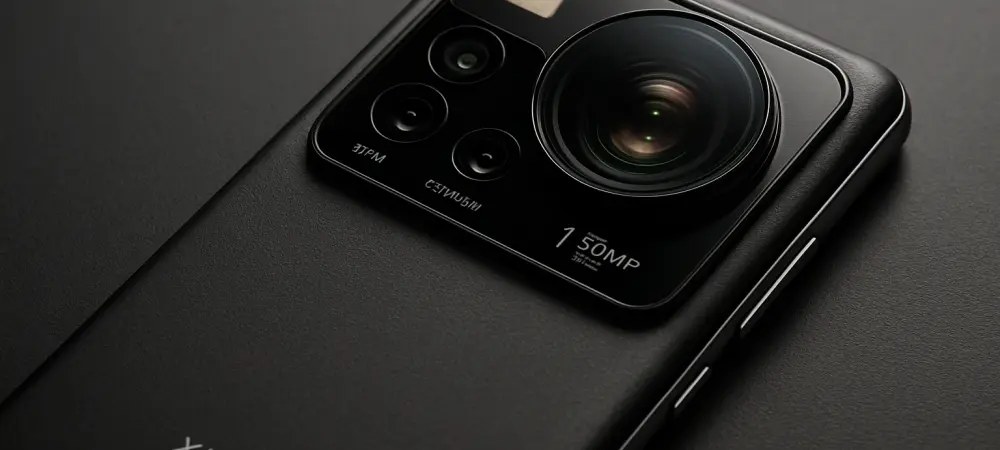
The relentless convergence of smartphone and dedicated camera technology has reached a new zenith with the arrival of a device that prioritizes the lens above all else, blurring the lines in a way few have attempted before. The Xiaomi 17 Ultra by Leica is not merely a flagship phone with a reputable camera brand stamped on its back; it represents a ground-up collaboration designed to be a photographer’s tool first and a communication device second. This special edition, with a premium price ranging from CNY 7,999 to CNY 8,999, is a testament to this philosophy. It manifests this identity through a series of exclusive physical features that pay homage to classic Leica cameras. The device features a distinctive dual-tone finish, combining a durable, tactile leatherette on its lower half with a sleek, metallic-like finish on top. A knurled frame enhances grip, mimicking the feel of a traditional camera body. The most iconic touch is the legendary Leica Red Dot logo, a symbol of photographic excellence. Beyond aesthetics, a unique hardware addition, the “Control Ring,” encircles the camera island. This mechanically rotating ring offers tactile, precise control over the zoom, providing a satisfyingly analog experience in a digital world.
A Tactile Homage to Photographic History
The premium, photo-centric experience extends far beyond the device’s immediate physical design, beginning with an unboxing process that feels more akin to acquiring a high-end camera than a smartphone. Every element in the package reinforces the device’s core purpose. Included is a specially designed case, a robust metal lens cap for protecting the primary optics, a signature red wrist strap for secure handling, and a soft leather wiping cloth for maintaining the lens’s pristine condition. These accessories, provided alongside the standard 100W charger, are deliberate choices that cater to the sensibilities of a photography enthusiast. The influence of Leica is further woven into the very fabric of the software. The phone includes two exclusive Leica themes that transform the user interface, but the true collaboration shines within the camera application. Here, users can access special shooting modes meticulously crafted to replicate famous Leica “looks,” offering a digital darkroom filled with iconic styles. These are not simple filters but complex software emulations designed to capture the unique character and soul of legendary camera systems, making the partnership a deeply integrated affair.
The most compelling software features are the modes that directly emulate the color science of historic Leica hardware. The “Leica M9” mode is a standout, engineered to reproduce the distinct visual signature of the legendary camera’s CCD sensor, known for its unique color rendering and depth. This allows photographers to capture images with a specific, celebrated aesthetic without needing the original, costly equipment. For those who appreciate the timeless art of monochrome photography, the “Leica M3 + Monopan 50” mode offers a specialized tool for creating high-contrast, richly detailed black and white images. These software enhancements are powered by a significant hardware update at the core of the camera system. The previous dual-telephoto setup has been replaced by a single, innovative variable zoom camera. This new system covers a versatile 75mm to 100mm focal range with a variable f/2.39 – f/2.96 aperture, all backed by an impressively large 200MP 1/1.4-inch sensor. This ambitious single-lens solution promises both flexibility and high image quality across its zoom range.
Redefining the Smartphone Form Factor
While the camera system is the undeniable star, the device still functions as a top-tier flagship smartphone, albeit one that makes subtle but important refinements to its form. The Xiaomi 17 Ultra features a slightly larger 6.9-inch display, but thanks to a concerted engineering effort to reduce the size of the bezels and create a thinner overall profile, it maintains a comfortable and familiar in-hand feel comparable to its predecessor. This careful balancing act ensures that the device’s immense photographic capabilities do not come at the expense of everyday usability as a primary communication and media consumption tool. The seamless integration of a larger screen into a body that feels no more cumbersome is a significant achievement, allowing the expansive display to serve as a brilliant, high-resolution viewfinder for the advanced camera system without compromising portability. This synergy between form and function underscores the holistic design philosophy, where every component is considered in relation to the primary goal of creating an unparalleled mobile photography experience without alienating users who still need a powerful, ergonomic smartphone for daily tasks.
An Ambitious Fusion of Two Worlds
The Xiaomi 17 Ultra by Leica ultimately stood as a bold statement in the competitive landscape of mobile photography, representing a deep, holistic partnership rather than a simple branding exercise. Its premium cost was justified not by specifications alone, but by a comprehensive package that included bespoke hardware design, exclusive software emulation of iconic camera styles, and a curated set of photography-focused accessories. The device challenged the very definition of a smartphone by placing its photographic identity at the forefront of its design and user experience. The introduction of the tactile Control Ring and the ambitious single-lens variable zoom system were significant engineering feats that sought to bridge the gap between the convenience of a phone and the creative control of a dedicated camera. The final verdict on this ambitious fusion of photography and telephony awaited the results of extensive, real-world evaluation, which would determine if the innovative hardware and software truly delivered a transcendent experience worthy of its legendary branding and premium positioning in the market.