

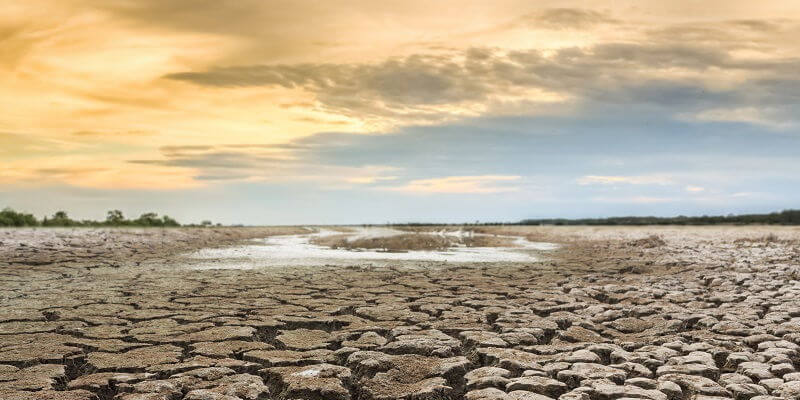
The state of Arizona, known for its hot and dry climate, has recently experienced a surge in the establishment of data centers owned by major tech giants worldwide. While this rapid growth signifies economic development, it is not without significant consequences. One of the most pressing concerns is the depletion of water sources due to the immense water requirements of these data centers.
Water consumption of data centers
Data centers, crucial for housing and operating large-scale computer systems, heavily rely on water for cooling their facilities. To maintain optimal operating temperatures, millions of gallons of water are needed daily. This vast demand for water poses a significant strain on the already limited water resources of the state.
Phoenix region as a destination for data centers
As data centers continue to multiply, the entire metro area of Phoenix has quickly gained recognition as a prime destination for these facilities. The region’s strategic location and favorable business environment have attracted numerous tech companies, further exacerbating the water consumption issue.
Water consumption by specific tech giants
Some tech giants have not shied away from disclosing their substantial water usage. Google, the renowned search engine, has publicly acknowledged its reliance on millions of gallons of water for its data centers. Similarly, Meta (formerly known as Facebook) has shared details revealing its consumption equating to billions of gallons, highlighting the scale of water utilization by these tech behemoths.
Concerns about depletion of water supply
Alarming reports predicting the depletion of water supplies in Arizona have raised significant concerns. As data centers continue to multiply and their water demands persist, the sustainability of water resources in the state is at grave risk. The potential ramifications of depleted water supplies extend beyond the data center industry, impacting agriculture, residential usage, and the overall ecosystem.
Government action to prevent construction
Recognizing the urgency of the situation, the state’s governor recently implemented a plan aimed at curbing construction in certain regions near Phoenix. By limiting new developments, the government seeks to mitigate the strain on water supplies and safeguard the state’s precious resources. This proactive approach indicates the recognition of the critical need to address this issue.
The emergence of data centers in Arizona has brought both economic prosperity and significant environmental challenges. The substantial water requirements for cooling these facilities have put immense pressure on the already arid state. It is imperative that steps are taken to address this issue urgently. Tech giants, local authorities, and the community must come together to explore innovative cooling technologies, maximize water conservation efforts, and promote sustainable practices within the data center industry. Only then can we ensure the continued growth of the digital infrastructure while preserving Arizona’s water resources for future generations.