

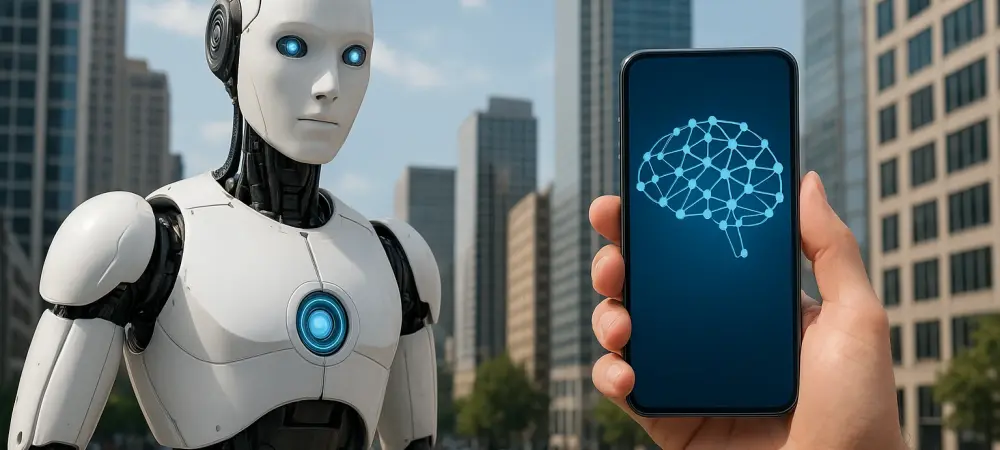
The transition from machines that merely interpret lines of code to systems that perceive the nuance of a human sigh or the texture of a physical surface marks a definitive turning point in the relationship between humans and technology. This shift represents a move away from the unimodal barrier, where artificial intelligence was restricted to processing a single stream of information like text or audio in total isolation. By synthesizing diverse data types simultaneously, modern systems are now evolving from simple tools into holistic entities that perceive the world with human-like complexity.
The roadmap of this evolution highlights a transition from isolated data streams to integrated systems that synchronize sight, sound, and touch. This progression is not merely a technical upgrade but a fundamental milestone in computing that enables more intuitive and natural interactions. As industry leaders prioritize these unified frameworks, the boundary between machine logic and human sensory perception continues to blur, promising a future of seamless integration across all professional and personal sectors.
The Evolution and Adoption: Integrated Intelligence
The Paradigm Shift: From Unimodal to Multimodal Systems
Modern frameworks like Google’s Gemini have redefined the landscape by natively processing text, images, and video without requiring separate translation layers. This unified approach allows for rapid adoption as statistics show a decisive move away from single-stream AI toward synchronized frameworks. Consequently, the demand for massive hardware power has skyrocketed, initiating a surge in investments for AI processing units from 2026 to 2028 that can handle such high-throughput, multi-layered data.
The move from isolation to integration is driven by the need for contextual awareness that unimodal systems simply cannot provide. By processing different data types within a single model, AI can now recognize the correlation between a visual event and its accompanying sound, which leads to more accurate and reliable outputs. This transition represents a new wave of computing, where the infrastructure itself must evolve to support the sheer scale of information being processed in real-time.
High-Impact Sectors: Real-World Implementation
Autonomous transportation remains one of the most visible applications of this technology, with platforms like NVIDIA Hyperion leading the charge. These systems fuse inputs from radar, lidar, and high-resolution cameras to create a redundant and safe navigation environment. Moreover, robotics has seen a parallel transformation through Google DeepMind’s efforts to link verbal instructions with visual manipulation, allowing robots to interact with unfamiliar objects more fluidly. In healthcare, the aggregation of medical imaging, patient records, and handwritten notes is improving surgical outcomes and diagnostic accuracy. This multimodal approach ensures that a clinician’s decision is backed by a comprehensive view of the patient’s health rather than a single scan. Meanwhile, consumer technology is becoming more contextual, as digital assistants now utilize simultaneous voice and visual processing to answer complex queries with environmental awareness.
Industry Integration: Technical and Ethical Perspectives
Industry experts often point to hardware as the primary gatekeeper for the widespread scaling of multimodal intelligence. The sheer computational demand of analyzing multiple high-resolution data streams requires a level of infrastructure that remains out of reach for many smaller organizations. Consequently, the current progress is heavily concentrated among those who can afford the latest generation of processing units and high-bandwidth memory.
Furthermore, the mandate for high-quality data is amplified in multimodal systems because a single corrupted stream can lead to catastrophic failures. In high-stakes environments like medicine or autonomous driving, the “garbage in, garbage out” rule becomes a matter of safety and ethics. This necessity for precision places a heavy burden on data scientists to ensure that every layer of information is as accurate as the next to maintain systemic integrity. The privacy paradox also looms large, as the constant monitoring required for these systems creates significant ethical challenges. Utilizing cameras and microphones to provide contextually aware assistance inevitably encroaches on private spaces, leading to debates over data ownership. Balancing the benefits of intuitive technology with the right to privacy remains one of the most complex hurdles for developers and policymakers to navigate.
Future Trajectory: Toward Intuitive and Invisible AI
The ultimate goal of this technological progression is to achieve a state of “invisible” technology that reacts to human context without the need for rigid commands. As AI becomes more adept at holistic perception, the interface between human and machine will likely shift from active input to passive observation. This seamlessness will redefine professional environments, allowing systems to anticipate needs by interpreting subtle environmental cues.
However, navigating the risks of data unreliability remains a critical concern, especially as these systems are integrated into life-saving fields. Addressing these potential challenges requires a rigorous focus on redundant verification and the development of failsafes that can detect inconsistencies between different data modalities.
The long-term outlook suggests that AI will cease to be a discrete tool and will instead function as a system that perceives the world as a cohesive whole. This shift will likely transform every aspect of human-computer interaction, moving toward a relationship based on mutual understanding rather than instruction. As systems learn to interpret the world through a human-like lens, the distinction between digital and physical reality will continue to diminish.
Summary and Final Thoughts
The synthesis of multimodal AI effectively bridged the gap between raw machine logic and the complexity of human perception. It was clear that the evolution from single-stream processing to integrated intelligence required a fundamental rethink of both ethics and infrastructure. Stakeholders recognized that while the potential for more intuitive technology was vast, the hardware constraints and data quality mandates were significant barriers that demanded immediate attention.
Ultimately, the industry moved toward a future where technology understood human context as naturally as people do. By prioritizing holistic perception and redundant safety measures, the transition to integrated intelligence successfully created a more responsive and capable digital environment for all users.