

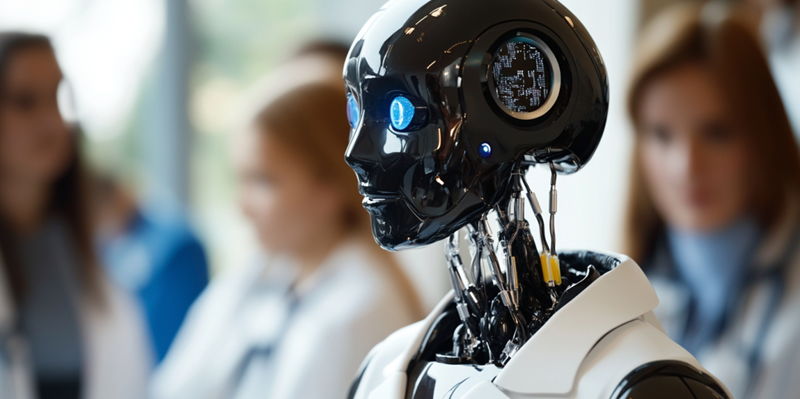
In a pioneering move that has captured the attention of the tech industry, former iRobot executives have launched Familiar Machines and Magic, a new startup aiming to redefine home robotics with a focus on health and wellness. Colin Angle, the former CEO and co-founder of iRobot, has teamed up with Chris Jones, former CTO of iRobot, and Ira Renfrew, another iRobot alum, to bring their vision to life. While the full scope of their innovative projects remains closely guarded, the company’s trademark application hints at ambitious goals centered around interactive and emotive robotics designed to improve human health and wellness.
Familiar Machines and Magic is poised to develop AI-powered robots equipped with advanced communication and learning capabilities. These robots are envisioned to serve multiple roles—ranging from personal companions to educational tools and health aides. By incorporating state-of-the-art AI, these robots will be able to engage with users in meaningful ways, potentially revolutionizing how we approach personal health and wellness. Moreover, the company’s trademark extends to include software for robot control and programming, as well as accessories like charging docks and mobile bases, indicating a comprehensive ecosystem that supports the new robots.
Integrating AI and Robotics into Daily Life
In a groundbreaking move capturing the tech industry’s attention, former iRobot executives have founded Familiar Machines and Magic, a new startup poised to revolutionize home robotics with an emphasis on health and wellness. Colin Angle, ex-CEO and co-founder of iRobot, has joined forces with Chris Jones, iRobot’s former CTO, and Ira Renfrew, another alum, to turn their vision into reality. Although the full extent of their innovative projects remains under wraps, the company’s trademark application suggests lofty goals focused on interactive and emotive robots designed to enhance human health and well-being.
Familiar Machines and Magic intends to develop AI-powered robots featuring advanced communication and learning capabilities. These robots are expected to fulfill various roles—from personal companions to educational aids and health assistants. By integrating cutting-edge AI, these robots aim to engage users in profound ways, potentially transforming the approach to personal health and wellness. Furthermore, the trademark extends to software for robot control and programming, as well as related accessories like charging docks and mobile bases, indicating a complete ecosystem supporting these advanced robots.