

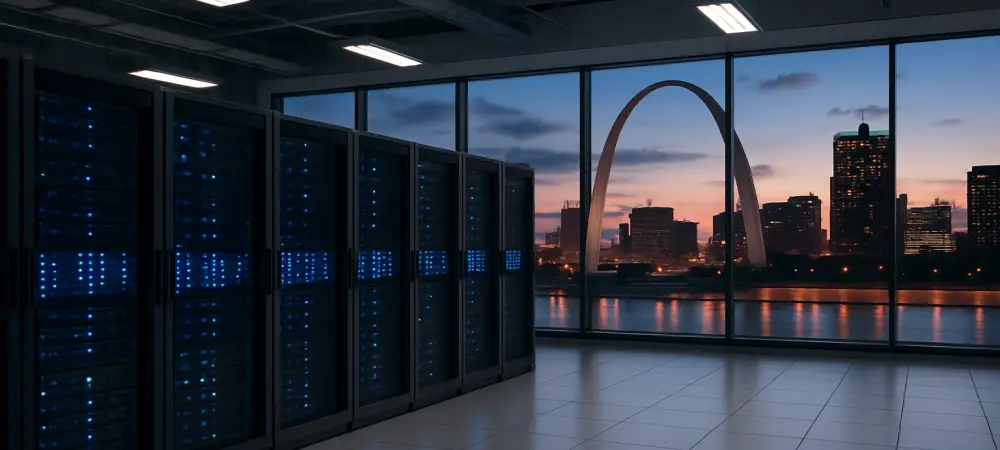
Imagine a historic building in the heart of St. Louis, poised to become a hub of cutting-edge technology, yet mired in controversy over its impact on the community and environment, sparking intense discussions. The proposed transformation of the Armory in Midtown St. Louis into a data center, alongside plans for an additional facility in a nearby parking lot, has ignited a fierce debate. This roundup dives into diverse opinions from developers, local officials, residents, and industry observers to unpack the challenges, benefits, and broader implications of this stalled initiative. The aim is to provide a balanced view of the tensions between technological progress and community priorities, shedding light on what this means for urban development in St. Louis.
Voices on Regulatory Roadblocks and Oversight
Developers’ Push for Progress Amid Constraints
Insights from the development sector reveal a sense of frustration over newly imposed executive orders that scrutinize data center projects for energy use, water consumption, and proximity to residential zones. Industry representatives argue that while compliance is necessary, the stringent guidelines risk stifling innovation in a city eager to establish itself as a tech hub. Many emphasize that data centers could attract significant investment, pointing to the substantial building permit filed for the Armory project as evidence of commitment to growth.
A contrasting angle within the same sector highlights a willingness to adapt, with some developers advocating for sustainable designs to meet regulatory demands. They suggest that integrating renewable energy sources or advanced cooling systems could address concerns about resource intensity. This perspective underscores a belief that collaboration with regulators, rather than opposition, might pave the way for project approval in the long term.
Local Officials Weigh In on Protective Measures
Local government figures present a more cautious stance, stressing the importance of safeguarding community interests over unchecked development. Aldermen and city planners have voiced concerns about the potential strain on infrastructure, noting that the cancellation of a key public hearing due to compliance delays reflects the need for thorough evaluation. Their position often centers on ensuring that projects align with St. Louis’ long-term environmental and social goals.
On the flip side, some officials acknowledge the economic potential of data centers, suggesting that a balanced framework could allow for growth without compromising resident well-being. They propose that regular public consultations and transparent reporting could bridge the gap between regulatory oversight and project timelines. This nuanced view reveals an intent to find middle ground, though skepticism about immediate solutions persists.
Community Sentiments and Environmental Concerns
Residents’ Resistance to Potential Impacts
Feedback from St. Louis residents paints a picture of deep unease about the Armory project’s environmental footprint and its effect on daily life. Many who have attended community forums express worries over rising energy costs and noise pollution, drawing comparisons to similar opposition in nearby St. Charles, where a one-year moratorium on data center projects was enacted. This collective pushback highlights a demand for clarity on how such developments will directly benefit the local populace.
Beyond immediate impacts, a segment of the community questions the broader value of transforming historic spaces like the Armory, a former National Guard facility, into tech infrastructure. They argue that cultural preservation should take precedence over modernization in certain cases, fearing a loss of identity. This sentiment adds an emotional layer to the debate, as residents grapple with balancing heritage and progress.
Environmental Advocates Call for Sustainability
Environmental groups and concerned citizens bring a sharp focus to the resource demands of data centers, cautioning against unchecked expansion in urban areas. Their insights emphasize the significant energy and water usage associated with such facilities, urging stricter benchmarks for sustainability. Some suggest that without clear commitments to green technology, projects like this could exacerbate local climate challenges.
A differing opinion within this group advocates for constructive dialogue, proposing that data centers could adopt eco-friendly practices if given the right incentives. They point to successful models in other regions where tech facilities operate with minimal environmental harm. This perspective pushes for a collaborative approach, encouraging developers to prioritize long-term ecological benefits alongside economic gains.
Economic Promise Versus Social Costs
Industry Optimism on Job Creation and Growth
Proponents of the data center project, particularly from the tech and business sectors, highlight its potential to drive economic development in St. Louis. They argue that such initiatives could create high-paying jobs and position the city as a competitive player in the digital economy. This optimism is often tied to broader trends of urban areas embracing tech infrastructure to boost local markets.
However, a more tempered view within the industry acknowledges that economic benefits must be distributed equitably to gain public support. Some business leaders stress the importance of training programs and community investment to ensure that job opportunities reach local residents. This angle suggests that economic promise alone may not suffice without tangible commitments to social upliftment.
Skeptics Question Long-Term Value
On the other hand, economic analysts and community advocates raise doubts about the true value of data centers to St. Louis. They point to studies showing that such projects often bring fewer jobs than promised and can burden local utilities, leading to higher costs for residents. This critical perspective challenges the notion that tech development is an unqualified win for urban economies.
A related concern focuses on the risk of prioritizing short-term gains over sustainable planning. Some observers warn that without careful policy design, St. Louis could face similar pushback on future projects, stunting tech growth altogether. Their input calls for a strategic approach that weighs immediate economic boosts against enduring social and environmental costs.
Historical Context and Future Implications
Preservationists Defend the Armory’s Legacy
Historians and preservation advocates add a unique dimension to the discussion, emphasizing the Armory’s significance as a 1938 structure with a storied past. They argue that repurposing a site once used for military and later entertainment purposes risks erasing a piece of St. Louis’ heritage. Their stance often prioritizes adaptive reuse that respects historical value over complete technological overhaul.
A slightly different take within this group suggests that tech projects and preservation need not be mutually exclusive. Some propose integrating historical elements into modern designs as a compromise, citing examples from other cities where such blends have succeeded. This viewpoint enriches the conversation by offering a potential pathway to reconcile competing interests.
Policy Shapers Look Toward Adaptive Frameworks
Urban planners and policy experts contribute by examining how the Armory debate could inform future tech developments in St. Louis. They note that the current regulatory scrutiny and community opposition reflect a growing trend of skepticism toward data centers in densely populated areas. Many advocate for evolving policies that mandate community input and sustainability as core project criteria.
Another insight from this sphere speculates on regional variations, comparing St. Louis’ cautious approach to outright bans in other locales. These experts suggest that lessons from the current standoff could shape a more inclusive model for urban tech expansion over the next few years, from 2025 onward. Their analysis underscores the need for adaptable frameworks that respond to local dynamics.
Reflecting on the St. Louis Data Center Controversy
Looking back, the discussions surrounding the Armory data center project in St. Louis revealed a complex interplay of innovation, regulation, and community values. Diverse voices—from developers and residents to environmentalists and historians—offered compelling arguments that underscored both the potential and pitfalls of such initiatives. The debate highlighted a shared desire for progress, tempered by a critical need for accountability and sustainability. Moving forward, stakeholders could consider establishing formal platforms for ongoing dialogue between developers and local communities to ensure transparency. Exploring incentives for green technology in data center designs might also address environmental concerns while fostering economic growth. For those eager to stay engaged, delving into local policy updates or joining community forums offers a practical way to influence the trajectory of urban tech projects in St. Louis and beyond.