

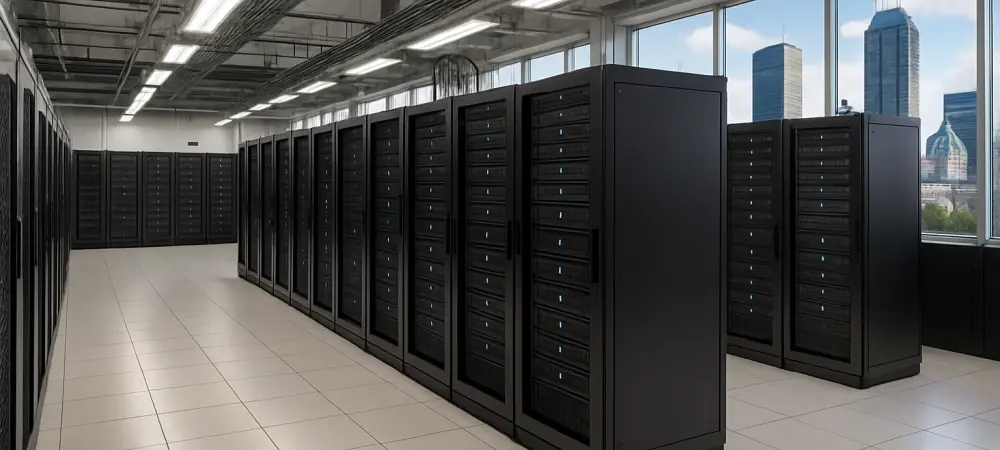
I’m thrilled to sit down with Dominic Jainy, a seasoned IT professional whose expertise in artificial intelligence, machine learning, and blockchain has positioned him as a thought leader in technology infrastructure. Today, we’re diving into the ambitious proposal by Metrobloks to develop a $500 million data center in Indianapolis, Indiana, at the site of the old Sherman Drive-In theater. Our conversation explores the vision behind this project, community engagement efforts, financial strategies, and the broader implications for the local area and the data center industry in Indiana. Dominic brings a unique perspective on how cutting-edge technologies intersect with large-scale developments like this one, making this discussion both insightful and forward-looking.
Can you walk us through Metrobloks’ vision for transforming the old Sherman Drive-In theater site into a state-of-the-art data center?
Absolutely. The site at 2505 N Sherman Dr in Indianapolis has been vacant since 1983, sitting on 14 acres of prime land in the Martindale-Brightwood neighborhood. Metrobloks sees this as an opportunity to revitalize an underused space into a modern data center that can support AI-ready infrastructure at the metro edge. The idea is to create a hub that not only meets the growing demand for data processing but also brings economic activity to the area. The design and layout plans are still in early stages, but the focus is on maximizing the space for scalability across two phases of development, ensuring it can handle the projected 75MW capacity at completion.
What factors made this specific location in Martindale-Brightwood so appealing for a project of this scale?
Several elements come into play here. First, the location’s proximity to Indianapolis, the state capital, offers strategic access to a major urban center with growing tech needs. Second, the 14-acre plot provides ample room for a large-scale facility with room for future expansion. Additionally, repurposing a vacant site like the old drive-in theater aligns with sustainable development goals by breathing new life into unused land. It’s also about tapping into Indiana’s rising status as a data center hub, with major players already establishing a presence in the region.
How did Metrobloks approach the closed-door meeting with the Martindale-Brightwood community on September 23, and what was the goal of that discussion?
The meeting was really about starting a dialogue with the community. Metrobloks went in with a mindset of humility, aiming to be transparent about their plans for the data center. The goal was to lay out the project’s scope, explain its potential impact, and most importantly, listen to residents’ thoughts. It wasn’t about pushing an agenda but rather building trust and showing that the company values the neighborhood’s input. This initial conversation was crucial to set the tone for future engagement as the project moves forward.
What kind of feedback did you observe or hear from residents during that meeting, and how has it shaped your perspective?
The feedback was mixed, which is expected with a project of this magnitude. Some residents expressed skepticism about the tangible benefits the data center would bring to their neighborhood. There were also voices who preferred the property to remain empty, likely due to concerns about change or potential disruptions. This feedback is invaluable because it highlights the need for Metrobloks to clearly communicate the positive impacts—like job creation and economic growth—while addressing fears head-on. It’s a reminder that community buy-in is just as important as the technical aspects of the project.
Transparency has been emphasized as a core value for this project. Can you elaborate on what that looks like in practice for Metrobloks?
Transparency here means keeping the community in the loop at every stage. It’s about sharing updates on the project’s progress, whether it’s through public forums, regular newsletters, or dedicated community liaisons. Metrobloks is committed to explaining not just what they’re doing, but why and how it benefits the area. For instance, if there are environmental or zoning concerns, they plan to address them openly with data and actionable solutions. It’s about fostering a two-way conversation rather than a top-down approach.
With a $500 million investment on the table, how is Metrobloks planning to structure the financial side of this development, especially across the two phases?
The investment is split into two phases, with the first phase pegged at around $150 million. This initial chunk will likely focus on foundational infrastructure—think land preparation, basic facilities, and early capacity setup. The remaining funds will roll out in the second phase to scale up to the full 75MW capacity. While Metrobloks raised $5.2 million in a seed round last year, that’s just a starting point. They’re exploring a mix of private investments, partnerships, and possibly debt financing to cover the rest. The specifics aren’t fully public yet, but their track record of funding land acquisitions through investment vehicles suggests they have a strategy in place to secure the necessary capital.
Speaking of the 75MW capacity, can you help us understand what that means for potential clients and the local area?
Sure. A 75MW capacity means the data center can power a significant amount of computing infrastructure, making it attractive to businesses with high data demands—like AI companies, cloud service providers, or large enterprises. For clients, this translates to robust, reliable service for their operations. For the local area, it positions Indianapolis as a tech hub, potentially drawing more businesses to the region. It’s also a signal of economic growth, as such facilities often come with job opportunities, both during construction and in long-term operations.
Indiana has become a hot spot for data center activity, but there’s also growing opposition. How do you see Metrobloks navigating this tension in Martindale-Brightwood?
Indiana’s data center boom, with major players already in the mix, shows there’s huge potential, but it also comes with challenges. Opposition often stems from concerns about environmental impact, neighborhood character, or lack of direct benefits. For Metrobloks, navigating this means doubling down on community engagement—showing how the project aligns with local needs, whether through job training programs or sustainable design practices. It’s also about learning from other projects in the state where pushback has occurred and ensuring they address those pain points proactively. Building trust is key, and that takes time and genuine effort.
What’s your forecast for the future of data center development in Indiana, considering both the opportunities and the hurdles?
I’m optimistic about Indiana’s trajectory as a data center hub. The state’s central location, access to power, and growing tech ecosystem make it a prime spot for continued investment. Demand for data processing, especially with AI and cloud computing on the rise, isn’t slowing down anytime soon. That said, the hurdles—community opposition, environmental concerns, and zoning challenges—will push developers to innovate. I foresee a shift toward more sustainable designs and deeper community integration. Companies like Metrobloks that prioritize transparency and local benefits will likely lead the way in shaping a positive future for the industry here.