

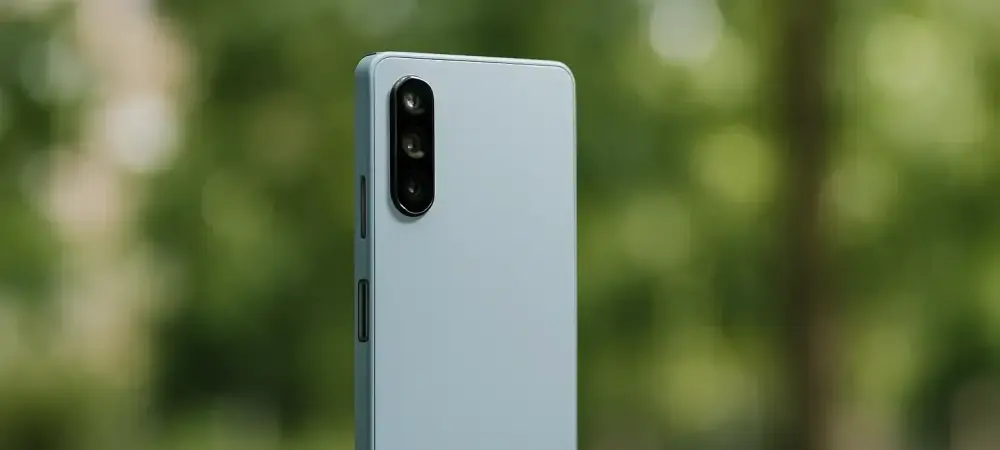
Diving into the world of cutting-edge mobile technology, I’m thrilled to sit down with Dominic Jainy, an IT professional whose expertise in artificial intelligence, machine learning, and blockchain also extends to a deep understanding of consumer electronics trends. With rumors swirling about the Sony Xperia 10 VII, Dominic offers a unique perspective on how emerging tech could shape the next generation of smartphones. In our conversation, we explore the speculated features of this device, from its chipset and display to camera capabilities and software, while also discussing how these advancements fit into broader industry shifts. Let’s get started.
What’s the latest you’ve heard about the Sony Xperia 10 VII being in development as the successor to the Xperia 10 VI?
I’ve been following the leaks closely, and from what’s out there, it does seem like Sony is working on the Xperia 10 VII. The buzz suggests it’s a natural follow-up to the Xperia 10 VI, which launched earlier this year. While there’s no official word from Sony yet, the consistency of the leaks—especially detailed specs and renders—makes me think we’re on to something real. As for timing, I’d speculate a reveal could come within the next few months, likely aligning with Sony’s typical mid-range release cycle around mid-year.
Let’s talk about the rumored Snapdragon 6 Gen 3 chipset for this device. How do you see this choice impacting performance?
The Snapdragon 6 Gen 3, if the leaks are accurate, is a solid pick for a mid-range device like the Xperia 10 VII. It’s a step up from the chipset in the Xperia 10 VI, offering better efficiency and processing power. This likely means smoother multitasking, faster app launches, and improved gaming performance. Plus, it’s built on a more modern architecture, so we’re looking at better power management—think longer battery life without sacrificing speed. It’s a smart move by Sony to keep this phone competitive in its price bracket.
The leaks mention a 6.1-inch Full HD+ OLED display. What are your thoughts on how this might enhance the user experience?
A 6.1-inch OLED with Full HD+ resolution is a sweet spot for a phone like this. OLED tech brings vibrant colors and deep blacks, which is great for watching videos or browsing photos. Compared to the previous model, I’d expect a bump in brightness for better visibility outdoors, though I haven’t seen confirmation on refresh rates yet—hopefully, it’s at least 90Hz for smoother scrolling. The 19.5:9 aspect ratio also suggests a taller, narrower screen, which should make one-handed use easier while still offering an immersive view for media.
With 8GB of RAM and 128GB of storage, plus expandable storage up to 2TB, how well do you think this setup meets today’s user needs?
I think 8GB of RAM paired with 128GB of base storage is pretty decent for a mid-range phone in 2023. It’s enough for most users to run multiple apps, store media, and handle casual gaming without hiccups. What really stands out is the microSD support up to 2TB—that’s a huge plus for anyone who needs extra space for videos, photos, or large files. In Sony’s target market, especially for users who value flexibility, this expandable storage could be a deciding factor over competitors who’ve ditched the card slot.
There’s talk of the Xperia 10 VII running Android 15 out of the box. What could this mean for users if it’s true?
If the Xperia 10 VII indeed launches with Android 15, that’s a big win for early adopters. Android 15 is expected to bring enhancements like better privacy controls, improved multitasking for foldables and tablets, and optimizations for battery life. Users would get these features right away, along with a fresher, more polished interface. It also signals that Sony is committed to keeping its devices current, though I’d be curious to see how long they’ll provide updates—hopefully at least three years of major OS upgrades to match industry standards.
The camera setup is rumored to include a 50-megapixel primary sensor and a 13-megapixel secondary one. How do you expect this to elevate photography on this device?
A 50-megapixel main camera is a significant upgrade for a mid-range phone like this. It should capture more detail, especially in well-lit conditions, and allow for better cropping without losing quality. Compared to the Xperia 10 VI, I’d expect sharper images and improved low-light performance, assuming Sony pairs it with good software processing. The 13-megapixel secondary sensor—likely an ultrawide or depth lens—adds versatility for landscapes or portraits. It’s a setup that could appeal to casual photographers looking for quality without breaking the bank.
Lastly, what’s your forecast for the mid-range smartphone segment, especially with devices like the Xperia 10 VII on the horizon?
I’m optimistic about the mid-range segment. Devices like the rumored Xperia 10 VII show that manufacturers are packing more premium features—better chipsets, high-res cameras, OLED displays—into affordable packages. I think we’ll see this trend continue, with AI-driven enhancements becoming standard even in budget-friendly phones, thanks to advancements in machine learning for photography and user experience. Competition is heating up, and that’s great for consumers who’ll get more bang for their buck over the next couple of years.