

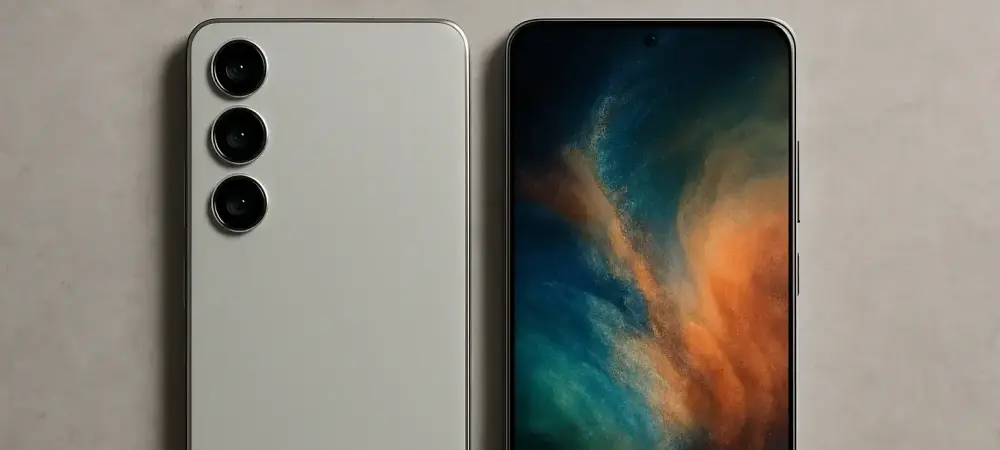
I’m thrilled to sit down with Dominic Jainy, a seasoned IT professional whose deep knowledge of cutting-edge technologies like artificial intelligence, machine learning, and blockchain gives him a unique perspective on the ever-evolving smartphone industry. With rumors swirling about the Samsung Galaxy S26 series, Dominic is here to break down the latest leaks, discuss what these changes could mean for users, and offer insights into how Samsung might be positioning itself in a competitive market. In our conversation, we explore everything from speculated specs and potential branding shifts to the broader implications for Samsung’s flagship lineup and how it stacks up against upcoming rivals.
How did you first come across the leaks about the Galaxy S26, and what stood out to you about the base model’s rumored specs?
I’ve been following tipsters and industry insiders on platforms like Weibo and X, where leaks often surface first. What caught my eye about the Galaxy S26 base model was the rumored 6.27-inch display and the 4,300 mAh battery. Compared to the Galaxy S25’s 6.2-inch screen and 4,000 mAh battery, these are modest but welcome upgrades. It’s been a while since we’ve seen a meaningful boost in battery capacity for the base model, so that’s particularly exciting, even if other factors like software optimization will ultimately determine the real-world impact.
What kind of difference do you think a slightly larger screen might make for the average user?
A jump from 6.2 to 6.27 inches isn’t massive, but it can subtly enhance the experience. For users who stream a lot of content or multitask with split-screen apps, that extra bit of real estate could make things feel less cramped. It might also improve readability for older users or those who prefer larger text. However, it’s a fine line—too much bigger, and the phone could lose that comfortable one-handed grip that many still value in a base model.
With the battery capacity bumped up to 4,300 mAh, should users expect significantly longer battery life, or are there other variables to consider?
While the increase to 4,300 mAh is promising, battery life isn’t just about raw capacity. Processor efficiency, display refresh rates, and software optimization play huge roles. If Samsung pairs this with a more power-efficient chipset or better power management through AI, we could see a noticeable improvement. But if the larger screen or other features demand more juice, it might just balance out. I’m cautiously optimistic, but we’ll need to see the full picture closer to launch.
There’s been some buzz about a potential name change for the standard Galaxy S26. Can you shed some light on what’s being speculated?
Yeah, there’s a rumor floating around from credible leakers that the base Galaxy S26 might be branded as the Galaxy S26 Pro. It’s an interesting shift if true. Samsung might be trying to elevate the perception of even their entry-level flagship, making it sound more premium. It could also be a way to streamline their naming as they potentially phase out other models. It’s still speculative, but it’s a move that could reshape how consumers view the lineup.
Speaking of the broader lineup, what have you heard about the rest of the Galaxy S26 series, like the Edge or Ultra models?
Leaks suggest we might see a Galaxy S26 Edge and an Ultra alongside the base model, or Pro, if that name sticks. There’s also chatter that the Galaxy S25 Plus could be the last of its kind, which might mean Samsung is trimming down to a tighter trio for the S26 series. The Ultra, as usual, is expected to get the lion’s share of upgrades—think camera enhancements and possibly faster charging speeds. Details on the Edge are thinner, but rumors hint at an even slimmer design than its predecessor.
Let’s dive deeper into the Ultra model. What specific improvements are being floated for it that could set it apart?
The Ultra is where Samsung typically flexes its muscle, and leaks point to some exciting possibilities. Camera upgrades are almost a given—there’s talk of improved sensors or better low-light performance, though specifics are still under wraps. There’s also buzz about faster charging speeds, which could address a long-standing critique compared to some competitors. If they deliver on both, the Ultra could solidify its spot as the go-to for power users and photography enthusiasts.
With a rumored launch in January 2026, how much more do you think we’ll learn about the Galaxy S26 series in the coming months?
If Samsung sticks to its usual timeline, January 2026 is a safe bet for the unveiling. Between now and then, I expect a steady drip of leaks—probably more detailed specs by mid-2025 and maybe even early renders or prototype images. Tipsters tend to get more accurate as production ramps up, so we’ll likely hear about software features or AI integrations closer to the date. It’s an exciting time for fans and analysts alike to piece the puzzle together.
With competitors like the Google Pixel 10 launching soon, how do you see Samsung positioning the Galaxy S26 series to stand out in a crowded market?
Samsung has a strong foothold, but the Pixel 10 and other upcoming devices will definitely challenge them, especially with Google’s focus on AI-driven features and camera prowess. I think Samsung will lean hard into ecosystem integration—think seamless connectivity with their watches, tablets, and laptops—alongside hardware upgrades like the ones we’ve discussed. If they can nail unique software experiences or push boundaries with the Ultra’s capabilities, they’ll maintain their edge. It’s going to be a tight race.
Looking ahead, what’s your forecast for the direction of Samsung’s flagship lineup over the next few years?
I see Samsung continuing to refine their strategy, possibly consolidating their lineup for clarity while doubling down on premium features to justify flagship prices. I expect a heavier focus on AI to personalize user experiences and sustainability initiatives to appeal to eco-conscious buyers. They’ll also likely push boundaries with foldables and other form factors alongside traditional flagships like the S series. If they balance innovation with accessibility, they could keep leading the Android space, but they’ll need to stay agile with competitors nipping at their heels.