

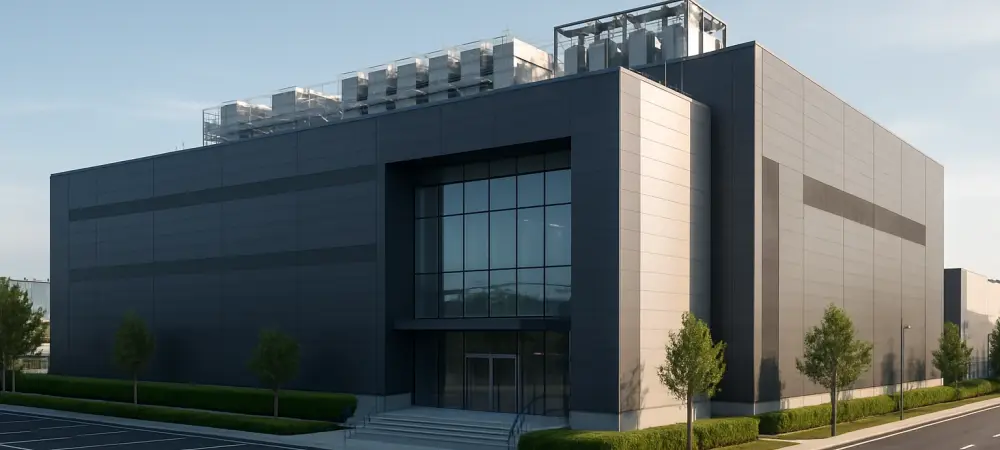
Imagine a world where the digital backbone of entire industries rests on the cutting edge of infrastructure, powering everything from artificial intelligence to cloud computing with unprecedented scale. In Ulsan, South Korea, this vision is taking shape through a groundbreaking collaboration between SK Group and Amazon Web Services (AWS). Nestled in the southeastern part of the country, this ambitious data center project promises to redefine the region’s role in the global tech landscape. With a staggering investment and innovative design, it stands as a testament to the growing demand for robust digital solutions in an increasingly connected era.
Key Features of Cutting-Edge Infrastructure
Unmatched GPU Capacity and Power Output
At the heart of the Ulsan data center lies its capacity to house 60,000 GPUs, a figure that underscores its potential to drive high-performance computing tasks. With a total power output of 103MW, the facility is poised to become a critical node for AWS’s cloud services in the region. This scale not only supports intensive workloads but also highlights the strategic importance of such infrastructure in meeting the demands of modern digital ecosystems.
The significance of this capacity extends beyond raw numbers. It positions the facility as a cornerstone for industries reliant on real-time data processing and advanced analytics. As businesses across South Korea and beyond adopt more sophisticated technologies, the ability to handle such computational demands will be a game-changer for regional innovation.
Innovative Hybrid Cooling Technology
Another standout feature is the advanced hybrid cooling system, tailored for racks consuming between 20 to 40kW each. This technology ensures optimal performance in high-density environments by maintaining efficiency and reliability under intense operational conditions. Such systems are vital for preventing overheating and ensuring uptime in facilities of this magnitude.
While details on specific sustainability measures remain scarce, the adoption of hybrid cooling suggests a focus on energy efficiency. Balancing power consumption with environmental considerations is a pressing challenge for data centers worldwide, and this approach indicates a step toward addressing that concern. The industry will be watching closely to see how these systems perform under full load.
Phased Rollout and Financial Commitment
The development of this data center is structured in carefully planned phases, reflecting a meticulous approach to execution. An initial capacity of 41MW is targeted for operation by November 2027, with the full 103MW expected to be online by February 2029. This staggered timeline allows for testing and optimization at each stage, ensuring stability as the project scales.
Backing this endeavor is a monumental investment of 7 trillion won, equivalent to approximately $5.11 billion, as confirmed by Korea’s Ministry of Science. The construction agreement, signed earlier this year, marks a significant milestone in transforming a former industrial site at Mipo National Industrial Complex into a hub of digital innovation. This financial commitment underscores the confidence in Ulsan’s potential to emerge as a key player in tech infrastructure.
The phased approach also mitigates risks associated with large-scale projects. By rolling out capacity incrementally, the collaboration between SK Group and AWS can address technical challenges and market dynamics over time. This strategy not only ensures a smoother transition but also builds momentum for future expansions in the region.
Regional Impact and Economic Transformation
Beyond its technical prowess, the Ulsan data center carries profound implications for the local economy. Historically, South Korea’s data center landscape has been heavily concentrated around Seoul, leaving other regions with limited access to such infrastructure. By establishing a major facility near Busan, this project diversifies the geographical distribution and elevates Ulsan’s status as an emerging tech hub.
The economic ripple effects are expected to be substantial. From job creation in construction and operations to attracting tech-driven businesses, the initiative promises to stimulate industrial growth in the area. Local communities stand to benefit from increased investment and the development of a skilled workforce tailored to digital industries.
Moreover, this shift could inspire similar projects in other underrepresented regions of South Korea. As global demand for data services continues to surge, decentralizing infrastructure offers resilience against over-reliance on a single hub. Ulsan’s transformation may well serve as a blueprint for balancing technological advancement with regional development.
Challenges on the Horizon
Despite the optimism surrounding the project, several hurdles loom large. Scaling to a potential gigawatt-scale facility, as outlined in a memorandum of understanding with Ulsan Metropolitan City, presents significant technical complexities. Ensuring consistent performance and reliability at such an ambitious level will require innovative solutions and rigorous planning.
Environmental concerns also warrant attention, particularly with the facility’s reliance on liquefied natural gas supplied by SK Gas to SK Multi-Utility. While this energy source supports operational needs, the lack of detailed sustainability strategies raises questions about long-term ecological impact. Striking a balance between power demands and environmental responsibility remains a critical challenge for the industry.
Additionally, navigating market and regulatory landscapes in a region less familiar with large-scale data centers could pose obstacles. Adapting to local policies and gaining community support will be essential for seamless integration. These factors highlight the need for a proactive approach to address both technical and societal considerations as the project progresses.
Vision for Future Growth
Looking ahead, the long-term vision for the Ulsan data center is nothing short of transformative. Plans to potentially expand into a gigawatt-scale facility align with broader trends in South Korea’s data center industry, where demand for capacity continues to grow. This ambition reflects AWS’s ongoing expansion, including its established Seoul cloud region and new developments in Incheon.
The project also positions Ulsan as a contender to become a major data hub, rivaling more established centers in the country. Its proximity to Busan, a significant economic and logistical node, enhances its strategic value. As digital transformation accelerates across industries, such infrastructure will play a pivotal role in shaping data management strategies.
Furthermore, this collaboration between a global tech giant and a local conglomerate sets a precedent for future partnerships. By combining international expertise with regional insights, the initiative could inspire similar ventures, fostering innovation on a global scale. The trajectory of this data center may well influence how South Korea approaches its digital future.
Final Thoughts and Next Steps
Reflecting on the journey so far, the collaboration between SK Group and AWS in Ulsan marks a bold step forward in redefining regional tech infrastructure. The blend of massive capacity, innovative cooling systems, and strategic location lays a strong foundation for what is envisioned as a landmark project. Its phased development and substantial investment speak volumes about the commitment to excellence and progress.
Moving forward, stakeholders need to prioritize clear sustainability frameworks to address environmental concerns tied to energy usage. Establishing transparent goals and adopting greener technologies could set a powerful example for the industry. Engaging with local communities to ensure economic benefits reach a wide audience is also critical for sustained support.
Lastly, continuous monitoring of technical and regulatory challenges is essential to keep the project on track. By fostering open dialogue with all parties involved and investing in adaptive strategies, the Ulsan data center has the potential to not only meet its ambitious targets but also inspire a new era of digital infrastructure development across South Korea.