

The enterprise landscape is currently witnessing a massive exodus from stagnant, localized data centers toward the fluid scalability of Software as a Service (SaaS) Enterprise Resource Planning (ERP) systems. This shift is driven by the realization that maintaining legacy on-premises architecture is no longer just a technical debt issue but a fundamental barrier to competitive survival in a volatile global market. For decades, corporations relied on heavily customized, monolithic installations that required massive capital outlays and dedicated hardware teams to keep them operational. However, the current economic climate demands a level of agility that these old systems simply cannot provide. Modern enterprises are instead prioritizing digital maturity, opting for platforms that offload infrastructure management to specialized vendors, thereby allowing internal teams to focus on innovation rather than maintenance. This transition represents a profound strategic maneuver, as leadership teams recognize that cloud-native environments offer the only viable path for real-time data processing and seamless global collaboration. While the allure of reduced hardware costs is significant, the true value lies in the ability to pivot operations rapidly in response to shifting consumer demands and supply chain disruptions. Consequently, the decision to migrate is no longer a purely technical discussion held within the IT department; it has evolved into a cornerstone of corporate strategy designed to foster resilience and long-term viability in an increasingly digital-first economy.
Technical Adaptation: Managing Legacy Customizations
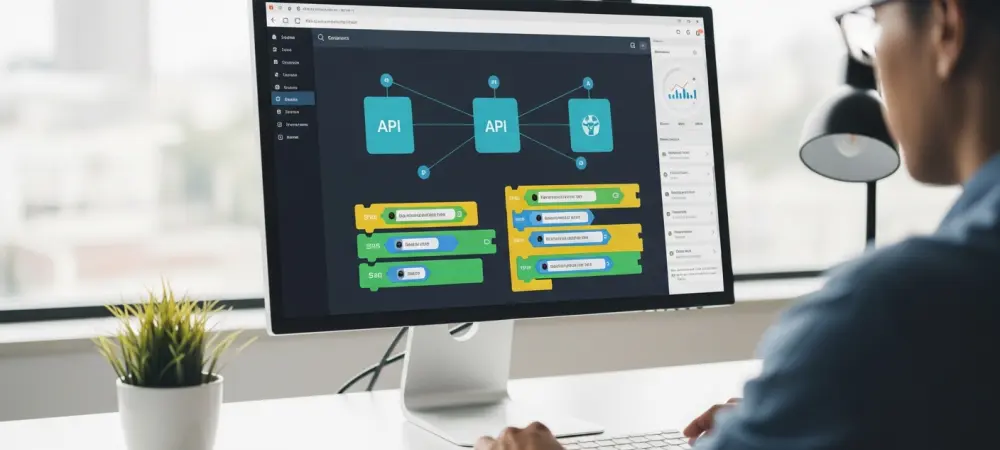
Navigating the complexities of legacy code remains one of the most significant challenges for any enterprise attempting to transition to a standardized cloud environment. Many organizations have spent years, if not decades, layering specialized extensions and unique scripts onto their on-premises ERP systems to accommodate niche business processes. These customizations, while once necessary, often become liabilities during a migration because they do not align with the multi-tenant architecture of modern SaaS platforms. To overcome this, technical leaders must adopt a rigorous refactoring strategy that identifies which customizations are truly essential and which can be replaced by out-of-the-box functionality. By stripping away redundant code and embracing a “clean core” philosophy, companies can ensure that their new system remains upgradeable and compatible with future software releases. This process requires a deep audit of existing workflows to determine if the software should be changed to fit the business or if the business processes should be modernized to fit the software’s optimized standards. Building a modular architecture through the use of modern Application Programming Interfaces (APIs) is the logical next step for maintaining essential unique functions without compromising system stability. In a SaaS ecosystem, the goal is to decouple specific business logic from the core ERP engine, allowing for external microservices to handle specialized tasks. This approach ensures that when the ERP vendor pushes a mandatory update, the core system remains intact while the external APIs continue to function seamlessly. This modularity also facilitates better integration with other third-party services, such as specialized logistics trackers or advanced customer relationship management tools. By prioritizing an API-first mindset, organizations move away from the “all-in-one” monolithic trap and toward a flexible digital fabric. This technical evolution not only simplifies the initial migration but also establishes a foundation for continuous improvement, enabling the IT department to deploy new features and integrations with much greater speed and significantly lower risk than was ever possible with legacy on-premises installations.
Financial Realignment: Shifting from Capital to Operational Expenses
The transition to a SaaS model fundamentally alters the financial framework of a corporation by moving software costs from capital expenditure (CapEx) to operational expenditure (OpEx). Under the traditional on-premises model, companies faced massive upfront investments in server hardware, cooling infrastructure, and perpetual software licenses that were then depreciated over several years. In contrast, the SaaS subscription model provides a predictable, recurring cost structure that aligns more closely with actual usage and business growth. This shift allows for greater liquidity, as funds previously tied up in physical assets can be redirected toward research, development, or market expansion. For the Chief Financial Officer, this transition provides a clearer view of the total cost of ownership, as it bundles maintenance, security, and hosting into a single monthly or annual fee. However, this new predictability requires a different type of fiscal discipline to ensure that the ease of adding new users or modules does not lead to uncontrolled budget creep over time.
While the reduction in upfront hardware costs is a clear benefit, organizations must remain vigilant against the phenomenon known as “bill shock,” which can occur when subscription costs escalate due to unmonitored usage. SaaS platforms often charge based on the number of active users, data storage volume, or the specific features enabled across different business units. Without centralized oversight, it is easy for individual departments to provision additional services that collectively inflate the enterprise’s software spend. Successful financial management in a cloud-first environment involves implementing strict governance policies and using automated tools to track license utilization. This ensures that the company is only paying for the resources it actually consumes, rather than maintaining “shelfware” that adds no value. Furthermore, the shift to an OpEx model changes how IT projects are valued, moving away from long-term asset management toward a value-driven service model. This realignment encourages a culture of efficiency, where every technological investment must demonstrate immediate and ongoing contributions to the organization’s operational goals and bottom-line performance.
Operational Continuity: Prioritizing Support and Data Integrity
Surrendering total environmental control to a third-party vendor necessitates a high degree of trust and the establishment of robust support structures to ensure operational continuity. Relying solely on the software provider’s standard support desk is rarely sufficient for complex global enterprises that operate across multiple time zones and regulatory jurisdictions. To bridge this gap, many organizations engage with specialized systems integrators who act as an intermediary between the business and the SaaS vendor. These partners provide the deep technical expertise needed to troubleshoot integration issues and ensure that the ERP system interacts correctly with localized logistics, tax engines, and regional banking interfaces. By securing a hybrid support model that combines vendor resources with specialized third-party expertise, companies can mitigate the risks associated with system downtime and ensure that their critical business processes remain uninterrupted during and after the migration.
Data migration is frequently the most volatile phase of an ERP project, often becoming the primary point of failure if not handled with meticulous care. Moving decades of historical data from a legacy system to the cloud is not a simple “lift and shift” operation; it requires extensive cleansing, deduplication, and normalization to fit the new system’s data structures. Organizations often discover that their legacy data is riddled with inconsistencies, outdated formats, and redundant entries that can corrupt the integrity of the new SaaS environment. A successful data strategy involves establishing strict governance rules and a single version of truth to ensure that analytics and reporting are accurate from day one. This process also includes making difficult decisions about how much historical data actually needs to be migrated versus archived in a low-cost storage environment. By prioritizing data quality over quantity, businesses can avoid operational disruptions and ensure that their new ERP provides the high-fidelity insights needed for informed decision-making, while also remaining compliant with increasingly stringent global data privacy regulations.
Ecosystem Dynamics: Leveraging Vendor and Partner Networks
A SaaS ERP platform is only as effective as the broader partner ecosystem that surrounds and supports it. When evaluating a vendor, it is crucial to look beyond the software’s features and examine the availability of regional consultants and technical specialists who understand the specific requirements of the company’s industry. A healthy ecosystem ensures that there is a competitive market for implementation services, which helps keep costs in check and provides a safety net if the primary vendor’s own resources are stretched thin. These partners often develop “last-mile” solutions—specialized add-ons that address industry-specific needs that the core ERP might not cover out of the box. For example, a manufacturing firm might rely on a partner-built module for specialized quality control, while a retail giant might use a partner’s tool for complex omnichannel inventory management. Engaging with a vendor that fosters a vibrant and open partner network allows an enterprise to tailor the standardized SaaS software to its unique operational requirements without resorting to risky core customizations.
The strength of the partner network also plays a vital role in long-term innovation and the adoption of emerging technologies such as artificial intelligence and machine learning. As SaaS vendors push out frequent updates, the partner ecosystem acts as a testing ground and a source of best practices for implementing these new features. Organizations that maintain strong relationships with their vendors and implementation partners are better positioned to take advantage of these updates early, gaining a competitive edge in the process. Furthermore, a global network of specialists provides the scalability needed for international expansion, ensuring that as a company enters new markets, it has access to local expertise that understands the specific regulatory and cultural nuances of those regions. This collaborative approach transforms the relationship between the enterprise and its software provider from a simple buyer-seller transaction into a strategic partnership. By leveraging the collective intelligence of the ecosystem, businesses can ensure their ERP system remains a dynamic asset that evolves in lockstep with the global market.
Security Frameworks: Implementing a Shared Responsibility Model
Security in a SaaS environment is fundamentally a shared responsibility, requiring a shift in how internal security teams approach risk management and data protection. While major cloud providers offer world-class infrastructure security, including physical data center protection and advanced network encryption, the customer remains responsible for securing the data itself and managing user access. This means that the organization must implement rigorous identity and access management (IAM) protocols, ensuring that only authorized personnel can access sensitive financial or customer information. A zero-trust security model is often the most effective approach, where every access request is continuously verified regardless of whether it originates from inside or outside the corporate network. By moving away from a perimeter-based security mindset, companies can better protect their digital assets in an era where employees and partners access the ERP from a multitude of devices and locations. This proactive stance is essential for maintaining trust with customers and avoiding the devastating financial and reputational consequences of a data breach.
Compliance with global privacy regulations, such as the GDPR or CCPA, adds another layer of complexity to the security landscape of a SaaS ERP. Organizations must ensure that their chosen vendor complies with these standards and provides the tools necessary for the business to manage its own compliance obligations. This includes the ability to track data residency, manage “right to be forgotten” requests, and perform regular audits of system access and activity logs. Opting for a reputable public cloud provider often offers superior transparency and more sophisticated tools for maintaining a secure and compliant system compared to what most companies could achieve in their own proprietary data centers. However, the internal legal and compliance teams must stay actively involved in the migration process to verify that the SaaS environment meets all regional and industry-specific mandates. By integrating security and compliance into the very fabric of the migration strategy, leadership can ensure that the organization not only benefits from the agility of the cloud but also maintains a resilient and defensible posture against an ever-evolving threat landscape.
Strategic Integration: Finalizing the Roadmap for Digital Excellence
The successful deployment of a SaaS ERP system required more than just technical precision; it demanded a cultural shift within the organization to embrace standardized workflows and continuous innovation. Leadership teams that viewed the migration as a strategic evolution rather than a simple software replacement were the ones who achieved the greatest operational dividends. By addressing the complexities of technical debt and refactoring legacy customizations into modular APIs, these organizations created a flexible foundation that supported rapid growth and integration. The shift from capital to operational expenditure provided the necessary financial agility to reinvest in core business competencies, while a disciplined approach to data governance ensured that the new system delivered actionable intelligence. Engaging with a robust partner ecosystem and adopting a shared responsibility model for security finalized the framework for a resilient, modern enterprise. These steps collectively transformed the ERP from a back-office burden into a central engine for digital excellence, positioning the company to navigate future market shifts with confidence and clarity.
Moving forward, the focus transitioned toward optimizing the newly established cloud environment to fully leverage its advanced capabilities. Continuous monitoring of service utilization and ongoing collaboration with vendor partners allowed businesses to stay at the forefront of technological developments without the need for another massive system overhaul. Training programs were expanded to ensure that the workforce could effectively use the real-time data provided by the SaaS platform to make faster, more informed decisions across all levels of the hierarchy. The migration process itself served as a catalyst for breaking down internal silos, as cross-functional teams worked together to align business processes with the standardized cloud model. This holistic approach not only secured the immediate benefits of the migration but also instilled a mindset of perpetual improvement and adaptability. By treating the ERP migration as the beginning of a digital journey rather than a destination, organizations ensured they remained competitive, agile, and prepared for the complexities of a rapidly changing global economy.