

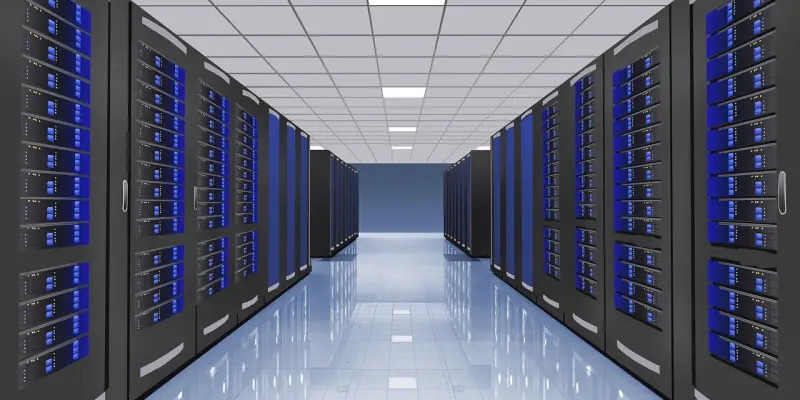
In a bold move that underscores its commitment to sustainability, Singtel’s Nxera DCT has announced the acquisition of a $643 million green loan to fund the construction of a new 58MW data center in Tuas, Singapore. This state-of-the-art facility, known as DC Tuas, is poised to become Singapore’s most hyper-connected green data center, characterized by its unparalleled power density and cutting-edge sustainable technologies. Scheduled to commence operations in 2026, DC Tuas aims to meet the surging demand for robust digital infrastructure, all while optimizing the utilization of land, power, and water resources. As enterprises increasingly seek eco-friendly digital solutions, DC Tuas is set to be at the forefront, specifically designed to accommodate AI workloads with a Power Usage Effectiveness (PUE) of below 1.25 at full load.
Green Mark Platinum Certification
Achieving the prestigious Green Mark Platinum certification, DC Tuas has adhered rigorously to green loan criteria that emphasize sustainability and eco-friendly practices. This certification serves as a testament to Singtel’s dedication to constructing environments that are not only technologically advanced but also environmentally responsible. Integral to this achievement are the innovative cooling systems and water recycling technologies incorporated into the data center’s design, ensuring maximum efficiency with minimal environmental impact. Singtel’s Group CFO, Arthur Lang, has been vocal about the significance of sustainability within their data center business, emphasizing that their initiatives are aimed at supporting Singapore’s burgeoning digital economy while concurrently reducing carbon footprints in alignment with global net-zero goals.
These efforts reflect a broader trend within the tech industry, where companies are increasingly integrating advanced technologies to enhance sustainability and operational efficiency. By securing this green loan, Singtel is not just investing in its infrastructure but also signaling a commitment to environmentally conscious growth. Furthermore, this development provides a blueprint for other tech giants to follow, showcasing that it is possible to achieve high performance while adhering to stringent sustainability standards.
A Step Towards Sustainable Innovation
The establishment of DC Tuas marks a significant milestone in the quest for sustainable innovation. Besides its remarkable efficiency and operational excellence, this data center showcases how technology can adapt to modern environmental challenges. Integrating next-generation cooling systems and advanced water recycling technologies, DC Tuas sets a new standard in sustainable infrastructure. This strategy ensures optimal use of resources and greatly reduces the environmental impact usually linked with large data centers.
DC Tuas transcends being just a facility; it embodies a progressive approach to digital infrastructure. As industries worldwide confront climate change, initiatives like DC Tuas offer practical, scalable solutions. The emphasis goes beyond energy efficiency to encompass comprehensive resource management, ensuring every operational aspect aligns with sustainability principles.
In conclusion, Singtel’s proactive steps in securing substantial funding for a green data center are a pivotal moment in transitioning towards sustainable practices. DC Tuas, with its innovative features and commitment to high sustainability standards, is set to transform data center operations. Singtel is leading the charge towards a new era of green digital infrastructure, balancing innovation with environmental responsibility.