

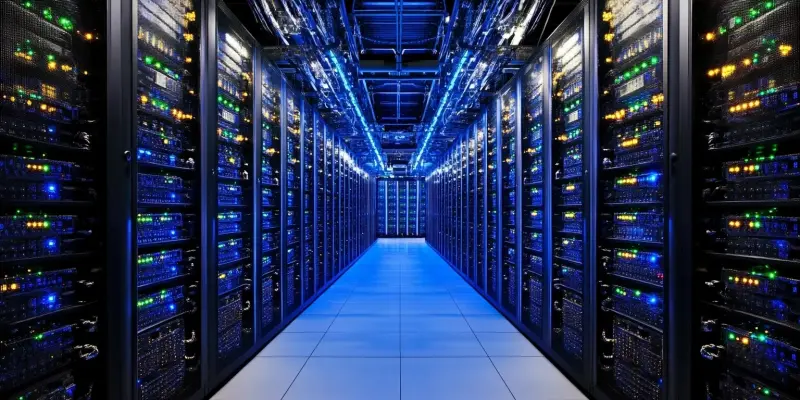
With the surging demand for digital services like cloud computing and AI workloads, the data center market is experiencing rapid growth. Projections by DLA Piper and TMT Finance indicate that the data center market could be valued at $483 billion by 2029. Major players like Microsoft and Japan’s SoftBank are investing heavily in building AI-centric data centers, highlighting the industry’s explosive expansion. However, this rapid growth presents significant challenges, particularly in terms of energy consumption and physical space, which have far-reaching implications for environmental sustainability.
The Environmental Impact of Data Centers
Data centers are notorious for their resource-heavy operations, requiring substantial energy to function. For example, a single ChatGPT query consumes approximately ten times the energy of a typical Google search. This considerable energy usage has raised concerns about the environmental footprint of data centers. Some organizations fear that this heightened energy consumption could lead to a 70% increase in consumer and small business energy bills within the next five years.
Beyond operational energy use, the construction of data centers itself significantly contributes to environmental degradation. Data center construction involves resource-intensive materials like steel and concrete. Steel, derived from iron ores through coal-burning blast furnaces, is highly polluting. Additionally, concrete—produced through massive fuel-powered kilns—represents up to 80% of the embodied carbon emissions of a site. This dual impact from both operation and construction underscores the urgent need for sustainable practices in the data center industry.
Sustainable Construction Materials
One critical aspect to consider in mitigating the environmental impact of data centers is the utilization of sustainable construction materials. Dale Crawford, executive director at the Steel Tube Institute, underscores the importance of selecting materials that are both sustainable and durable, especially given the relatively short lifespan of data centers (seven to ten years). Crawford notes that while a mere 15% of wood waste gets recycled, an impressive 98% of structural steel is either reused or recycled, making it a markedly more sustainable option.
Innovative companies like Eco Material Technologies are spearheading efforts to create more sustainable building materials. They are developing high-strength, durable cement using waste products such as fly ash through their Efficient Carbon Offloading (ECO) System. Eco Material’s green cement products, such as PozzoSlag, can replace traditional cement by up to 60%, leading to a substantial reduction in carbon emissions. The commitment to using recycled and sustainable materials is essential for the long-term sustainability of data center construction and operation.
Addressing Scope 3 Emissions
Beyond immediate operational emissions, data center operators are increasingly confronting Scope 3 emissions, which originate indirectly through the supply chain. Compass Datacenters, with insights from chief innovation officer Nancy Novak, sheds light on the importance of evaluating the environmental impact across the entire supply chain. Construction alone accounts for 12 to 15% of global greenhouse gas emissions, requiring concerted efforts to mitigate this footprint.
Compass has made strides by improving sustainability through off-site practices, achieving enhancements of 18 to 19% in this area. They focus on component-based prefabrication and off-site manufacturing to build modular data centers. This approach not only heightens sustainability and efficiency but also offers better control over supply chain processes, minimizing on-site construction activities. Modular designs lend themselves to enhanced environmental performance due to economies of scale, revealing a path to reducing the overall environmental impact of data centers.
Efficient Cooling Systems
Maintaining optimal operating temperatures is crucial for data centers’ sustainability and efficiency. Air cooling systems play a pivotal role in this context. Tony Abate, VP and CTO at AtmosAir Solutions, emphasizes the significance of effective HVAC (heating, ventilation, and air conditioning) technologies in preventing server damage caused by excessive heat. Employing cutting-edge cooling solutions is imperative for sustainable data center operations.
Abate advocates for bipolar ionization (BPI) systems, which not only improve air quality but also reduce the necessity for external air intake. This technology ultimately lowers energy usage and greenhouse gas emissions while prolonging the lifespan of data center equipment. Efficient cooling systems are indispensable in these endeavors, helping to reduce the overall environmental impact of data centers while ensuring their longevity and reliability.
Practical Examples of Sustainability Initiatives
Real-life examples of successful sustainability initiatives in the data center industry demonstrate practical applications of these principles. LuxConnect, a Luxembourg-based data center operator, has adopted innovative strategies to mitigate environmental impact. By predominantly using renewable energy sources from Nordic countries, LuxConnect has significantly reduced its carbon footprint. Additionally, they cleverly utilize waste heat by partnering with local developments to heat elderly homes and apartments.
LuxConnect also collaborates with a nearby cogeneration plant, Kiowatt, which converts waste wood into electricity. This initiative alone has managed to reduce Luxembourg’s total CO2 emissions by 27,000 metric tons per year. LuxConnect’s CEO, Paul Konsbruck, emphasizes that data center sustainability and profitability are not mutually exclusive, showcasing that it is entirely feasible to achieve both. Such practical examples provide a roadmap for others in the industry to follow, integrating sustainability into core operational strategies.
Integrating Innovative Technologies and Designs
The rapidly growing demand for digital services, including cloud computing and AI workloads, has significantly accelerated the expansion of the data center market. According to projections by DLA Piper and TMT Finance, the data center market could soar to an astonishing $483 billion by the year 2029. This growth is further fueled by major players in the industry, such as Microsoft and Japan’s SoftBank, who are investing substantial resources in developing AI-centric data centers. These advancements underscore the industry’s explosive growth and the critical role data centers play in supporting modern technological infrastructures.
Despite the promising outlook, this rapid expansion brings substantial challenges. One of the primary concerns is the escalating energy consumption associated with the operation of these large-scale data centers. The massive energy requirements not only drive up costs but also pose a significant threat to environmental sustainability. Additionally, the physical space needed to house these facilities further complicates matters, as urban and suburban areas must allocate increasingly scarce real estate to accommodate them. These issues highlight the pressing need for innovative solutions to manage energy use and spatial constraints while supporting the continuing growth of the data center market. Without addressing these challenges, the industry may struggle to maintain its current growth trajectory in a sustainable manner.