

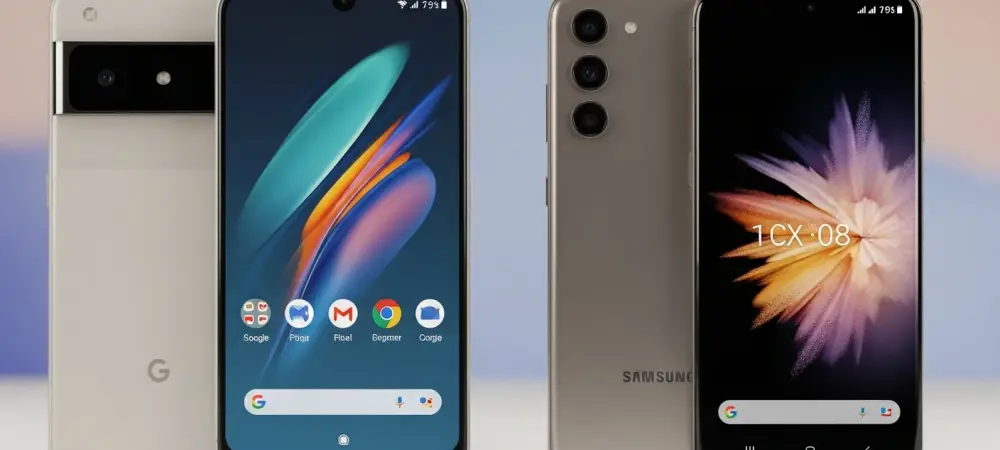
The familiar cycle of smartphone releases has been dramatically interrupted by a wave of strategic price cuts that suddenly place the most advanced mobile technology within reach for many more consumers. With flagship and foldable devices now seeing discounts of up to $500, the decision of which phone to buy has become more complex and rewarding. This shift creates a buyer’s market where understanding the nuances of each deal is paramount to securing genuine value.
Navigating the Smartphone Sales Season: Why This Week’s Deals Matter More Than Ever
In an increasingly crowded market, smartphone manufacturers are employing aggressive discounts to capture consumer attention. This week’s promotions are particularly noteworthy, as they significantly lower the barrier to entry for cutting-edge technology. Devices that were once considered premium luxuries, such as large-format foldables and top-tier camera phones, are now available at prices that rival mid-range alternatives from just a year ago, making high-end features more accessible than ever.
The significance of these price drops extends beyond mere savings; they democratize innovation. For instance, the intricate engineering of a foldable screen or the computational power of a flagship processor is no longer reserved for those with the deepest pockets. This analysis will move beyond the advertised discount percentages to provide a detailed breakdown of the best offers. It will compare not just the specifications on paper but the real-world performance, user experience, and overall value each device offers at its newly reduced price point.
Unpacking the Discounts: A Head-to-Head Analysis of Today’s Top Contenders
The Foldable Giants Clash: Is the Pixel Fold’s Price Cut Enough to Challenge the Galaxy Z Fold7’s Dominance?
The large foldable category is currently a battleground between two titans, with Google’s Pixel 10 Pro Fold and Samsung’s Galaxy Z Fold7 both receiving substantial discounts. The Pixel Fold benefits from a $300 price reduction on its 16/512GB configuration, positioning it as a more budget-conscious entry into tablet-style foldables. However, Samsung’s aggressive $400 discount on the Z Fold7, while leaving it the more expensive device overall, narrows the price gap considerably and forces a closer look at what each phone delivers for the money.
Scrutinizing the hardware reveals a clear performance divide. The Pixel Fold’s Tensor G5 processor is a capable chip, but it struggles to match the raw power and efficiency of the Snapdragon 8 Elite found in the Galaxy Z Fold7. This disparity is even more pronounced in photography, where the Pixel’s respectable 48MP main camera is dwarfed by the Galaxy’s massive 200MP sensor, promising greater detail and versatility. Consequently, the choice becomes one of weighing the Pixel’s upfront savings against the Galaxy’s superior processing and imaging capabilities.
The debate intensifies when considering the software and productivity ecosystems. Samsung has spent years refining its foldable experience, and features like the DeX desktop environment and integrated S Pen support give the Z Fold7 a significant advantage for multitasking and creative work. The central question for potential buyers is whether the Pixel Fold’s more attractive price point is compelling enough to overlook the mature, feature-rich software environment that has long defined Samsung’s dominance in the foldable space.
Beyond Samsung’s Shadow: How the Motorola Razr Ultra Redefines Value in the Clamshell Market
While the large foldables compete on productivity, the clamshell segment is all about style and convenience, and here the Motorola Razr Ultra 2025 emerges as a powerful contender to the Galaxy Z Flip7. By positioning its 16/512GB model at a price point $100 lower than the base 12/256GB Z Flip7, Motorola presents an undeniable value proposition. This advantage is amplified by the Razr’s inclusion of the top-tier Snapdragon 8 Elite chip, ensuring it delivers flagship performance without the flagship price tag.
The practical advantages of the Razr Ultra become even clearer when examining its endurance and charging. Equipped with a substantial 4,700mAh battery, the Razr achieves an impressive 15:10h Active Use Score, comfortably outlasting its rival. In contrast, the Exynos-powered Galaxy Z Flip7 relies on a smaller 4,300mAh cell, resulting in a shorter 11:52h endurance. Moreover, the Razr’s 68W wired charging capability offers a dramatically faster refueling experience compared to the Z Flip7’s modest 25W charging, making it a more practical choice for users on the go.
The Mid-Range Melee: Where the Google Pixel 10 Stumbles, Competitors Seize the Opportunity
In the fiercely competitive traditional bar phone category, the newly discounted Google Pixel 10 aims to make a mark. Now available for $650, its most significant upgrade is the inclusion of a dedicated 5x telephoto lens, a first for the standard Pixel line. However, this photographic advancement is undermined by a disappointing battery life that falls short of expectations for a device of its size, coupled with relatively slow charging speeds that feel dated in the current market.
This stumble creates an opening for competitors like the Nothing Phone (3), which, for nearly the same price, offers a more compelling overall package. The Nothing Phone (3) boasts a more powerful Snapdragon 8s Gen 4 processor, a larger and more vibrant display, superior battery endurance, and significantly faster 65W charging. For users prioritizing performance and daily convenience over a telephoto lens, the Nothing Phone (3) presents a clear advantage. Adding to the pressure, the Samsung Galaxy S25 FE enters the fray as a strong budget-friendly alternative. Priced $200 below the Pixel 10, it features a large 6.7-inch display and comparable battery life, challenging the Pixel’s value proposition from a lower price bracket.
Choosing Within the Ecosystem: Why the Discounted Pixel 10 Pro XL Is the Smartest Upgrade for Google Fans
For enthusiasts committed to the Google ecosystem, the current sales landscape presents an interesting internal dilemma. A solid $300 discount on the Pixel 10 Pro XL makes it a demonstrably smarter purchase than the smaller, full-priced Pixel 10 Pro. This price adjustment elevates the Pro XL from a simple size upgrade to the undisputed value leader within Google’s premium lineup, offering a significant hardware boost for what is now a negligible price difference.
The key advantages of the discounted Pro XL are substantial. It features a more advanced camera system, providing greater flexibility and image quality than its smaller sibling. Furthermore, its expansive 6.8-inch LTPO display offers a more immersive viewing experience for media consumption and gaming. This larger chassis also houses a bigger battery, resulting in enhanced performance and longevity that directly addresses one of the primary concerns with smaller flagship devices. For any Google fan weighing an upgrade, these hardware benefits make the Pro XL the most logical and satisfying choice.
Making Your Decision: A Practical Guide to Selecting the Right Deal for Your Needs
With such a diverse array of discounted devices, the optimal choice depends entirely on individual priorities. For those who value foldable productivity above all else, the Samsung Galaxy Z Fold7 remains the top contender, its mature software and superior hardware justifying its premium price. However, if battery life is the most critical factor, the Motorola Razr Ultra 2025 stands out in the clamshell segment with its exceptional endurance and rapid charging. For budget-conscious buyers seeking a traditional phone, the Samsung Galaxy S25 FE offers a compelling feature set at a highly competitive price point.
These recommendations cater to distinct user profiles. Power users who demand the best in multitasking and performance will find the Z Fold7’s DeX and S Pen support invaluable. In contrast, the everyday consumer who needs a reliable device that lasts all day will appreciate the Razr Ultra’s practical advantages. By identifying your primary use case—whether it is productivity, photography, or simply getting the most for your money—you can navigate these deals effectively. This framework helps match personal requirements with the specific strengths of each discounted smartphone.
The Final Verdict: Seizing Lasting Value in a Fast-Moving Market
The current landscape of smartphone deals provided a rare opportunity to acquire high-end technology without the associated premium cost. These strategic discounts shifted the focus from brand loyalty toward a more discerning evaluation of core specifications. The most successful purchases were made by consumers who looked past the marketing and compared fundamental attributes like processing power, battery endurance, and charging speed.
Ultimately, these promotions underscored the importance of assessing personal needs against tangible performance metrics. Whether choosing a foldable for its multitasking prowess or a traditional flagship for its camera system, the best value was found by aligning the device’s strengths with one’s daily habits. Capitalizing on these price cuts was not just about saving money; it was about making a strategic investment in technology that would deliver lasting satisfaction long after the sale ended.