

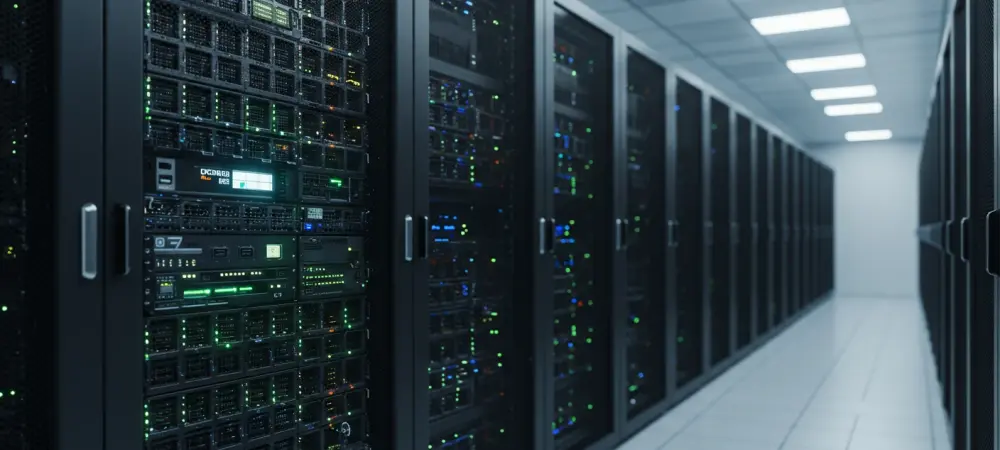
What if the digital engines powering artificial intelligence could also safeguard the planet? In San Jose, California, a revolutionary data center project is challenging the long-held belief that high-tech infrastructure must harm the environment. With AI-driven computing pushing energy demands to unprecedented levels, this facility by Arcadis and Terra Ventures is not just a local experiment but a potential blueprint for a greener digital age. Spanning nearly 300,000 square feet, it promises to redefine how technology and sustainability intersect, capturing attention across the globe.
A Bold Leap into Next-Gen Data Centers
The San Jose data center represents a daring vision for the future of digital infrastructure. Unlike traditional facilities that consume power with little regard for environmental impact, this project aims to achieve net-zero status through innovative design and technology. By addressing the massive energy needs of AI systems, which often require hundreds of kilowatts per cabinet, it sets a new standard for what data centers can and should be in an era of climate urgency.
This endeavor also stands as a testament to collaboration between engineering expertise and forward-thinking development. The partnership behind the project has prioritized not just technical prowess but also a commitment to reducing carbon footprints. As data centers worldwide grapple with their role in global emissions, this initiative offers a glimpse of what’s possible when innovation meets responsibility.
The Urgent Need for Sustainable Data Solutions
With the explosion of AI technologies, data centers have become critical to modern life, yet their environmental cost is staggering. Studies indicate that these facilities account for about 1-2% of global electricity consumption, a figure projected to rise as digital demands grow. The strain on local grids and the resulting carbon emissions have sparked widespread concern, making sustainability an imperative rather than a choice for the industry.
Beyond raw numbers, communities near data centers often bear the brunt of their impact through increased utility costs and land use conflicts. The San Jose project emerges as a timely response to these challenges, seeking to harmonize technological advancement with ecological and social considerations. It underscores a broader shift in the sector toward accountability, where ignoring environmental consequences is no longer an option.
Cutting-Edge Features of the San Jose Facility
At the heart of this data center lie groundbreaking strategies that shatter conventional norms. One standout feature is the adoption of native direct current (DC) power systems, which eliminate the inefficient conversion to alternating current (AC), slashing energy loss by significant margins. This is particularly crucial for AI workloads demanding 400-600 kW per cabinet, ensuring that power delivery is as efficient as possible.
Another innovation is the creative use of waste heat, typically discarded in standard setups. Here, it drives absorption chillers for cooling, boosting efficiency from 60% to nearly 90% when paired with fuel cells, while a second phase plans to channel this heat into on-site greenhouses for local food production. Additionally, the facility’s shift to decentralized power generation through fuel cells—and potential nuclear small modular reactors (SMRs) in the coming years—reduces reliance on unstable utility grids, enhancing both sustainability and operational resilience.
The physical scope of the project further amplifies its ambition. Covering 295,080 square feet with a separate 132,000-square-foot power building, the design integrates these advanced systems into a cohesive structure. Such meticulous planning reflects a holistic approach to minimizing environmental harm while meeting the rigorous demands of modern computing.
Expert Perspectives on a Groundbreaking Vision
Insights from industry leaders shed light on the transformative potential of this initiative. Jeffrey Gyzen, a principal at Arcadis and global practice group director, emphasizes the project’s broader mission. “The goal isn’t just a data center; it’s a framework for net-zero infrastructure,” he notes, highlighting how DC power and waste heat recovery could reshape efficiency benchmarks across the field.
Gyzen also candidly addresses practical obstacles, such as supply chain delays for essential components like transformers and wiring. His advice to prioritize early procurement reveals the logistical complexities behind such innovation. Equally compelling is his focus on community goodwill, with plans for greenhouses and educational spaces designed to turn local doubts into enthusiasm, showcasing a rare blend of technical and social foresight.
These expert views align with industry momentum toward on-site power solutions as a means to achieve reliability and lower emissions. Gyzen’s perspective not only validates the project’s direction but also paints a vivid picture of the determination required to push boundaries. His insights serve as a rallying cry for others in the sector to think beyond traditional models.
Actionable Strategies for a Greener Data Industry
For those inspired to replicate this model, several practical lessons emerge from the San Jose effort. Embracing energy-efficient designs, such as native DC power systems, can drastically cut losses, especially in high-density AI environments. This foundational step ensures that power usage aligns with sustainability goals without sacrificing performance.
Equally important is leveraging waste heat for secondary purposes, whether for cooling or community agriculture, to reduce operational waste and costs. Investing in on-site power options, starting with fuel cells or natural gas as interim solutions while tracking progress on nuclear SMRs expected within the next decade from 2025, offers a path to grid independence. Early planning to secure long-lead equipment also mitigates supply chain risks, ensuring timelines stay on track.
Engaging local stakeholders remains a critical piece of the puzzle. By incorporating benefits like job creation or shared resources such as greenhouse produce, data center projects can foster trust and reduce opposition. These strategies, drawn from the San Jose blueprint, provide a clear roadmap for balancing cutting-edge technology with environmental stewardship and community well-being.
Reflecting on a Milestone in Digital Sustainability
Looking back, the San Jose data center project stood as a defining moment in the quest for sustainable technology. It demonstrated that even the most energy-intensive industries could pivot toward greener practices through ingenuity and determination. The integration of advanced power systems and community-focused initiatives marked a shift in how infrastructure could serve dual purposes—powering progress while protecting the planet.
As the industry moved forward, the lessons from this endeavor offered a clear path for others to follow. Adopting energy-efficient technologies, exploring innovative power generation, and prioritizing local engagement became essential steps for future projects. This pioneering effort in California laid the groundwork for a digital landscape where sustainability was no longer an afterthought but a core principle driving innovation.