

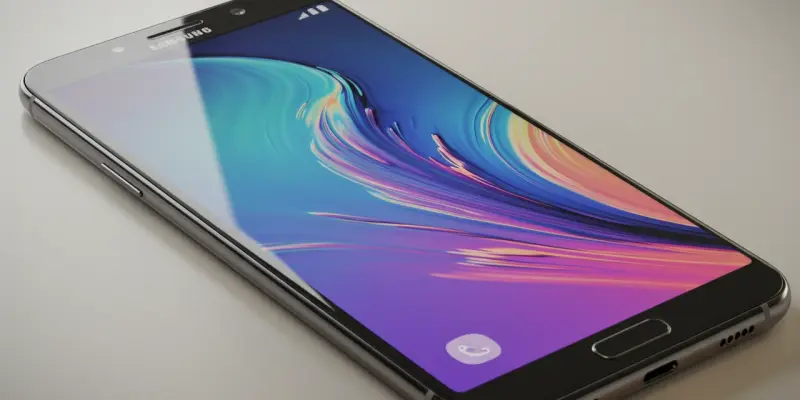
Samsung’s forthcoming release of the Galaxy Z Fold 7 Ultra signifies more than just an addition to its lineup of foldable smartphones; it embodies a strategic shift in how Samsung envisions its flagship devices. Historically, the company has been at the forefront of innovation in smartphone design, and this new model continues that tradition. By integrating the S Pen directly into the phone’s body, Samsung addresses a longstanding user demand for seamless functionality and convenience. This evolution not only capitalizes on the foldable technology but also consolidates the stylus feature, which has been a hallmark of the Ultra series since the S21 Ultra. The inclusion of the S Pen within the device itself marks a significant transition, reflecting Samsung’s commitment to blending high-tech innovation with practical design elements.
While Samsung has previously merged essential features from its Note series with the S line, this release further enhances the Ultra identity. The challenge of accommodating a stylus within a foldable smartphone required overcoming technical constraints, particularly regarding the device’s design and screen structure. Until now, Z Fold users had to rely on separate cases to house the stylus, adding bulk and compromising portability. With this new integration, Samsung looks to change the narrative, offering a more streamlined experience that aligns with consumer expectations for innovation. This move is poised to set a new standard in foldable technology, as the company leverages its expertise in screen technology and compact hardware design to deliver a robust, user-friendly product.
The Challenge of Integration
Incorporating the S Pen into the body of the Galaxy Z Fold 7 Ultra necessitated a rethinking of its structural design, reflecting Samsung’s dedication to pushing existing boundaries. The primary concern lay in ensuring the durability of the foldable screen while housing the stylus. Prior models suggested that a separate stylus could compromise the screen’s integrity due to the delicate nature of foldable displays. The task, then, was to innovate a solution that allowed for the S Pen’s seamless inclusion without risking the screen’s longevity or user experience. This design challenge became an opportunity for Samsung to highlight its engineering prowess, illustrating its ability to adapt and enhance product design in response to consumer feedback and technological advancements.
Furthermore, the decision to remove Bluetooth features from their S Pens provided an additional opportunity for streamlining. By eliminating these features, Samsung was able to produce a more compact and lightweight stylus, which fitted naturally within the foldable device. This decision also reflected a strategic emphasis on core functionalities that prioritize practicality over supplementary features. Through the lens of product strategy, removing Bluetooth capabilities likely intended to ensure that the stylus remained simple yet effective, appealing to users prioritizing an integrated, efficient design. This approach is consistent with Samsung’s broader objective to create technology that is not only cutting-edge but also intuitively complements the lifestyle of its users.
Setting New Standards in Foldable Innovation
The Galaxy Z Fold 7 Ultra’s unique integration of the S Pen underscores a transformative moment in the landscape of foldable smartphones. By addressing previous design limitations, Samsung redefines what consumers can expect from premium devices in this rapidly evolving category. This integration is not merely a cosmetic enhancement but a substantial upgrade that enhances user interaction. It transforms the device into a versatile tool that befits its Ultra designation, offering capabilities that blur the lines between traditional smartphones and more specialized devices like tablets. The innovation of housing the stylus within the device itself represents a new frontier in achieving efficient multitasking combined with the unique benefits of foldability. In terms of market positioning, Samsung’s push to incorporate advanced features and refine its designs to meet consumer expectations could potentially influence competitors and dictate future industry trends. As foldable technology garners wider consumer acceptance, this strategic move helps cement Samsung’s reputation as a leader in the field. By offering a device that delivers both high-end specifications and user-centered benefits, the company not only cements its leadership but also influences consumer perception of what a flagship foldable should offer. The Z Fold 7 Ultra serves as a testament to Samsung’s enduring commitment to excellence, showcasing a blend of design, functionality, and technological sophistication that set new benchmarks in the industry.
Expanding the Horizons of User Experience
The introduction of the Galaxy Z Fold 7 Ultra with a built-in S Pen represents a thoughtful expansion of the user experience, which seeks to harmonize innovation with practicality. This advancement implies that users no longer need to compromise on convenience—foldable devices can now serve as comprehensive productivity tools without sacrificing portability or design. By embedding the stylus, Samsung enhances the device’s utility in various professional and creative applications, making it appealing to a broader demographic that values functionality alongside aesthetic appeal. This strategic inclusion is not just about meeting consumer demand; it’s about redefining what is possible within the confines of modern smartphone engineering.
Moreover, with the S Pen now firmly established as a key feature, Samsung ensures that its Ultra line remains synonymous with premium performance and innovation. This approach focuses on providing an all-encompassing experience that leverages advanced hardware capabilities to accommodate evolving user needs. As users increasingly seek devices that can multitask and transition effortlessly between personal and professional domains, Samsung’s innovation in the Galaxy Z Fold 7 Ultra becomes even more relevant. Ultimately, the device symbolizes a forward-thinking approach to smartphone design, promising an unparalleled user experience that reshapes expectations and sets the stage for further advancements in mobile technology.
A New Chapter in Mobile Evolution
Samsung’s upcoming Galaxy Z Fold 7 Ultra release is more than just an expansion in its foldable smartphones; it marks a strategic evolution in Samsung’s flagship device concept. Samsung has consistently been an innovator in smartphone design, and this model upholds that legacy. By embedding the S Pen directly into the phone’s body, Samsung responds to a perennial user desire for enhanced functionality and convenience. This development leverages foldable technology while also incorporating the stylus, a notable feature of the Ultra series since the S21 Ultra. Integrating the S Pen into the device itself signifies a pivotal transition, highlighting Samsung’s dedication to merging cutting-edge innovation with practical design. Historically blending the Note series with the S line, this launch further strengthens the Ultra identity. Integrating a stylus into a foldable phone posed challenges, especially with design and screen structure. Previously, Z Fold users relied on bulky cases for the stylus, affecting portability. This new integration aims to offer a sleeker experience, meeting consumer expectations and setting a new benchmark in foldable tech through Samsung’s prowess in screen and compact hardware design.