

Deep-sea divers and mountain climbers now carry more computing power on their wrists than the navigational systems used in early space exploration missions. The latest announcement from Samsung regarding its wearable division marks a significant strategic pivot in the company’s hardware philosophy. With the introduction of the Galaxy Watch Ultra2 and the Galaxy Watch9, the tech giant is moving away from its proprietary silicon in favor of a specialized platform while simultaneously diversifying its product lineup to compete in the high-end adventure segment.
The arrival of these devices marks a definitive end to the era of the smartwatch as a mere notification hub for a smartphone. By integrating specialized hardware and professional-grade sensors, Samsung is positioning its wearables as essential tools for extreme environments. This shift signifies a broader trend where consumer technology must meet the rigorous standards of professional sports equipment to remain relevant in a competitive market.
A High-Stakes Evolution in Wearable Technology
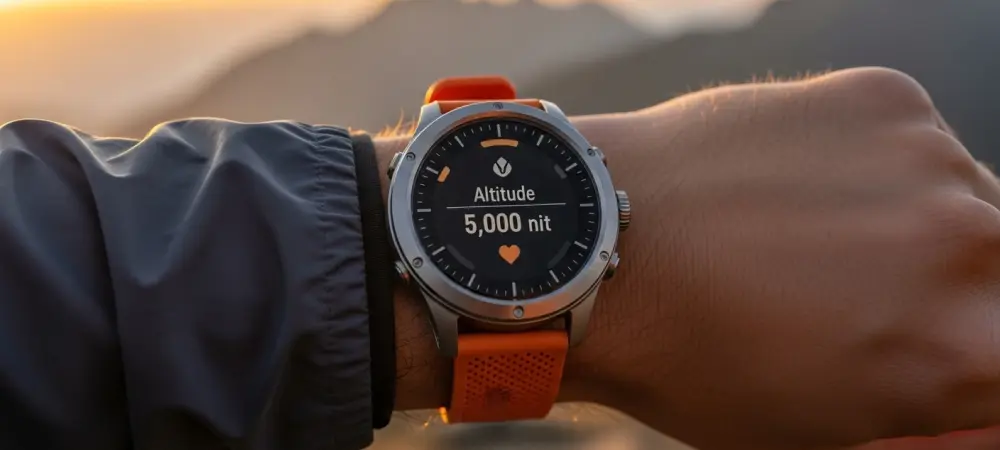
Samsung has abandoned the cautious approach of previous hardware cycles to embrace a design philosophy centered on professional-grade endurance gear. The new hardware suite is anchored by a 5,000-nit display, a specification that ensures the interface remains perfectly visible even in the blinding glare of high-altitude sun or reflective desert sands. This shift is paired with a battery massive enough to sustain a user through multi-day expeditions, signaling that the brand is no longer content with being a simple companion for casual fitness tracking.
The engineering focus has clearly pivoted toward a dedicated tool for the most demanding environments on Earth. By prioritizing extreme durability and peak legibility, these devices represent a strategic move toward the specialized market currently dominated by high-end sports instruments. This evolution reflects a growing consumer demand for technology that can withstand physical extremes while providing reliable data under pressure. The transition highlights a commitment to robust construction that does not sacrifice the sleek aesthetics expected of modern flagship electronics.
The Strategic Shift Toward Specialized Performance Silicon
For a significant period, Samsung relied on its proprietary Exynos chips to power its wearable ecosystem, but the introduction of the Watch Ultra2 and Watch9 signifies a major transition to the 3nm Snapdragon Wear Elite platform. This architectural change is about much more than raw speed; it focuses on maximizing power efficiency to ensure that advanced features do not drain the battery during critical moments of an excursion. The move toward industry-standard professional components allows for superior location tracking through dual-frequency GPS, which is vital for navigation in dense forests or complex urban canyons.
As the market for adventure-ready smartwatches expands, this adoption of specialized silicon highlights an intent to compete directly with elite endurance racing and diving brands. The efficiency of the 3nm process provides the necessary headroom for complex background processing, such as real-time physiological monitoring, without compromising the device’s thermal profile. Consequently, the hardware is now better equipped to handle the sustained high-performance demands of professional athletes who require consistent data over long periods.
Breaking Down the Ultra2 and the Mainstream Watch9
The Galaxy Watch Ultra2 serves as the pinnacle of this new lineup, featuring a 47mm titanium casing that manages to be remarkably thinner than its predecessor despite the inclusion of a massive 800mAh battery. Measuring just 10.7mm in depth, the device achieves a refined profile that resists snagging on equipment while offering enough internal volume for 64GB of storage. This flagship model is designed specifically for those who require the maximum possible screen brightness and storage capacity for offline topographical maps and media.
In contrast, the Galaxy Watch9 remains the primary choice for the everyday user, offered in 40mm and 44mm sizes with a sleek aluminum finish. While the Ultra2 is built for the absolute extreme with its 5,000-nit screen, the Watch9 provides a premium experience with a 3,000-nit display and 32GB of storage. Both models share the foundational 2GB of RAM, ensuring that the user experience remains fluid across both the rugged and the mainstream variants. This dual-track strategy allows the company to cater to specialized professionals and general fitness enthusiasts simultaneously.
Professional Metrics for Divers and Endurance Athletes
Beyond the rugged exterior, the Ultra2 carries the EN13319 certification, which officially designates the device as a legitimate dive computer capable of handling high-pressure underwater environments. A specialized partnership with Mares resulted in a dedicated Diving app that tracks depth, water temperature, and ascent rates in real-time. This level of certification ensures that the device is not merely water-resistant but is a survival tool capable of providing life-critical data during technical dives. The inclusion of these features transforms the smartwatch into a specialized instrument for the maritime community.
For athletes who prefer terrestrial challenges, new features such as Trail Run and Sweat Loss leverage the efficiency of the 3nm processor to offer granular physiological feedback. These tools provide specific data on elevation changes and hydration requirements, effectively turning the watch into a portable laboratory for the user. By quantifying the impact of intense physical exertion on the body, the software helps endurance athletes optimize their recovery and performance cycles with unprecedented precision. This focus on deep metrics marks a shift from general activity tracking toward sophisticated health analysis.
Navigating the New Ecosystem of Hardware and Services
To extract the full potential of these devices, users chose between specialized bands designed for specific physical activities. The breathable silicone Marine Band was engineered for water sports and high-moisture environments, whereas the lightweight fabric Trail Band was optimized for long-distance running comfort. Selecting the right hardware combination became a matter of matching the device’s capabilities with the primary environment of the wearer, whether that involved a 10 ATM rated descent or a multi-day mountain trek.
Potential buyers evaluated the Ultra2 as the clear choice for technical exploration, while the Watch9 served as the ideal balance for surface swimming and daily wellness. The integration of trial periods for Strava and iFIT bridged the gap between high-end hardware and professional-level data analysis for early adopters. These strategic steps moved the wearable segment toward a future where hardware and software combined to provide actionable health intelligence for every level of human endeavor. Future considerations focused on how integrated AI would further personalize these training metrics to prevent injury and enhance long-term vitality.