

Dominic Jainy is a seasoned IT professional whose work at the forefront of artificial intelligence and machine learning provides him with a unique lens on the future of consumer hardware. As Samsung prepares to unveil its latest venture into smart eyewear, Dominic offers deep insights into how these devices are evolving from niche gadgets into stylish, AI-powered lifestyle tools. Our conversation explores the technical synergy between high-end fashion and the Snapdragon AR1 Gen 1 chipset, the pivot away from integrated displays, and the practical applications of real-time AI in our daily lives.
How do you view the decision to pair the Snapdragon AR1 Gen 1 with fashion-forward partners like Warby Parker and Gentle Monster?
Samsung is prioritizing a lifestyle-first approach by choosing the Snapdragon AR1 Gen 1 SoC, which features 4 cores and a 1.9 GHz clock speed. Partnering with style icons like Warby Parker and Gentle Monster ensures these won’t just be bulky gadgets, but genuine fashion pieces that people actually want to wear in public. This specific hardware keeps the frames lightweight enough for all-day wear, avoiding the industrial look of older, heavy headsets. It is a strategic play to make wearable tech feel as natural and comfortable as a pair of everyday spectacles.
What are the implications of removing an integrated display and relying entirely on Google Gemini and camera sensors for interaction?
Eliminating the display shifts the focus to ambient intelligence driven by Google Gemini and two built-in cameras. These sensors can capture details from a whiteboard during a busy meeting and sync them directly to Samsung Notes for future editing without you lifting a pen. Without a power-hungry screen, the device achieves a solid 9 hours of battery life, making it much more practical for long, productive days. You interact through voice or touch sensors on the temples, creating a more social and less intrusive experience that doesn’t block your view of the world.
How do features like real-time translation and Galaxy Watch gesture control shape the broader ecosystem for the user?
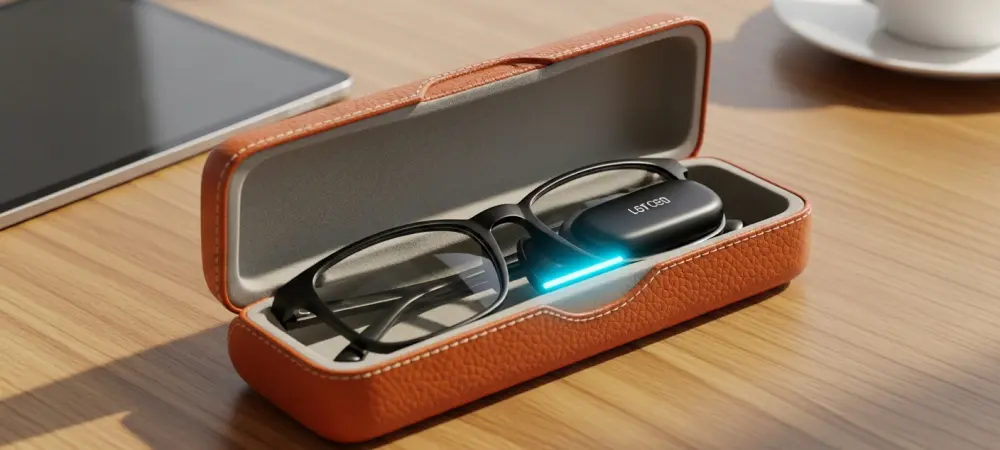
The integration of gesture control via the Galaxy Watch 9 represents a significant leap in how we navigate our digital environment without looking like we are talking to ourselves. Features like live translation and real-time footage sharing turn these glasses into a vital tool for both international travel and seamless professional collaboration. The included charging case, which can provide 7 full recharges, ensures the entire system remains powered throughout a busy week away from a wall outlet. It creates a seamless, tactile link between your wrist, your eyes, and the AI cloud.
What is your forecast for screenless smart glasses?
I forecast that screenless glasses will redefine the wearable market by proving that true utility does not require a constant, distracting visual overlay. As the Android XR platform matures, users will begin to value the subtle assistance of navigation and route planning over flashy, immersive graphics. The ultimate success of this device will hinge on how well the AI interprets the world through those two cameras in real-time to provide meaningful context. We are moving toward a future where the most powerful technology is the kind that stays out of your way while keeping you connected.