

A New Era of Innovation at the 2026 Galaxy Unpacked Event
The global smartphone landscape stands at a major precipice as consumer demand shifts from basic connectivity toward immersive, high-performance hardware that utilizes artificial intelligence to anticipate user needs before they are even expressed. Samsung has officially set the stage for its bi-annual Galaxy Unpacked event, scheduled for July 22, 2026, in London. This keynote, which will be streamed to a global audience starting at 2:00 PM BST, represents a pivotal moment for the technology giant as it seeks to redefine the boundaries of mobile computing. The 2026 showcase is not merely a hardware refresh; it is a strategic pivot toward a more diverse and intelligent ecosystem. By focusing on the expansion of its foldable lineup and the deep integration of artificial intelligence, Samsung aims to move past the experimental phase of foldable tech and into a period of mainstream maturity.
The Evolution of the Foldable Market and Samsung’s Leadership
To understand the significance of the 2026 Unpacked event, one must look at the trajectory of the mobile industry over the last decade. Since the introduction of the first Galaxy Fold, Samsung has faced the dual challenge of engineering durable hardware while convincing consumers of the form factor’s utility. Early iterations were often viewed as luxury novelties, but persistent iterations have transformed them into reliable tools for productivity and expression. This historical context is vital; the industry shift toward larger, flexible screens has finally met a point where the hardware is no longer a bottleneck. As competitors enter the space, Samsung is leveraging its years of foundational research to transition from being a pioneer to a dominant market leader, focusing now on how these devices fit into a sophisticated, AI-enhanced lifestyle.
Redefining the Foldable Experience: Advanced Engineering and Software
Expanding the Portfolio with the Galaxy Z Fold 8 Ultra
A major shift in Samsung’s strategy is the diversification of its flagship foldable line. For the first time, reports suggest the introduction of a Galaxy Z Fold 8 Ultra alongside the standard model and the Galaxy Z Flip 8. This tiered approach addresses a critical market demand for varying levels of performance and price points. By offering an “Ultra” variant, Samsung can pack the most advanced camera systems and battery technologies into a foldable chassis, appealing to the most demanding power users. This move mirrors the success of the S-series Ultra models, providing a clear path for enthusiasts who refuse to compromise on specifications while seeking the benefits of a large-screen foldable.
Optimized Form Factors and Next-Generation Display Tech
The current lineup is expected to tackle one of the most persistent consumer critiques: the aspect ratio of the cover screen. Samsung is moving toward a “wide foldable” form factor, ensuring that the device feels like a traditional smartphone when closed, while offering a more tablet-like experience when opened. Under the hood, these devices will likely be powered by the Qualcomm Snapdragon 8 Elite Gen 5 chipset, ensuring top-tier performance for multitasking. Furthermore, display technology is seeing a massive leap, with panels reaching a staggering 3,600 nits of peak brightness. This ensures perfect visibility even in direct sunlight, solving a common pain point for mobile professionals.
Tailoring Galaxy AI for the Foldable Ecosystem
Hardware alone is no longer enough to win the smartphone wars; the “Galaxy AI” initiative is the true centerpiece of the 2026 Unpacked event. Samsung is emphasizing software intelligence that is specifically architected for the unique capabilities of foldable screens. This includes adaptive window management, AI-driven multitasking suggestions, and specialized creative tools that take advantage of the dual-screen setup. The consensus among industry experts is that software must evolve to match the physical versatility of the device. By integrating AI that understands the context of a foldable’s posture—whether it’s half-folded for a video call or fully open for editing—Samsung is creating a more intuitive and personalized user experience.
Emerging Trends in Wearables: The Rise of XR
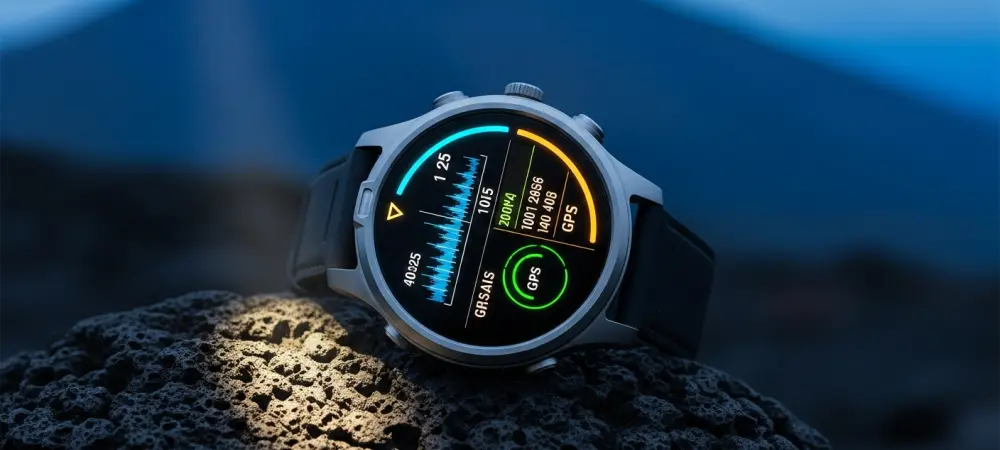
The July event will also cast a spotlight on the wearable sector, showcasing the Galaxy Watch 9 and the rugged Watch Ultra 2. The latter is set to be a powerhouse for outdoor enthusiasts, featuring a 5,000-nit display and an IP69K durability rating, which is significantly more robust than previous standards. Beyond watches, the most anticipated “one more thing” involves the future of the Android XR ecosystem. Samsung is expected to provide a glimpse into its smart glasses project, a collaboration with fashion-forward brands like Warby Parker and Gentle Monster. This move suggests that the future of mobile technology lies in a seamless blend of traditional handsets, high-performance wearables, and augmented reality, creating a cohesive digital environment.
Strategic Recommendations for the Next Generation of Mobile Tech
For consumers and professionals looking to stay ahead of the curve, the 2026 Unpacked event offers several clear takeaways. First, the move toward “Ultra” foldables suggests that users who rely on their phones for intensive creative work should wait for these specialized models rather than settling for mid-tier hardware. Second, the emphasis on AI means that software longevity is becoming as important as physical durability; buyers should prioritize devices with guaranteed long-term AI feature support. Finally, for those in extreme environments or high-performance athletics, the Watch Ultra 2 represents a significant jump in hardware resilience that may finally bridge the gap between smartwatches and professional-grade trekking instruments.
Solidifying the Future of the AI-Driven Digital Ecosystem
The 2026 Galaxy Unpacked event marked a turning point where foldable technology graduated from a niche category to the standard-bearer for mobile innovation. By synthesizing high-end hardware like the Snapdragon 8 Elite Gen 5 with the sophisticated capabilities of Galaxy AI, Samsung crafted a future that prioritized both functionality and personal style. This event was not just about new gadgets; it represented the maturation of an ecosystem where hardware, software, and wearables worked in perfect harmony. As the digital landscape continued to evolve, Samsung’s commitment to pushing the boundaries of form and function ensured that its portfolio remained the benchmark for the modern mobile experience, setting a high bar for competitors to follow.