

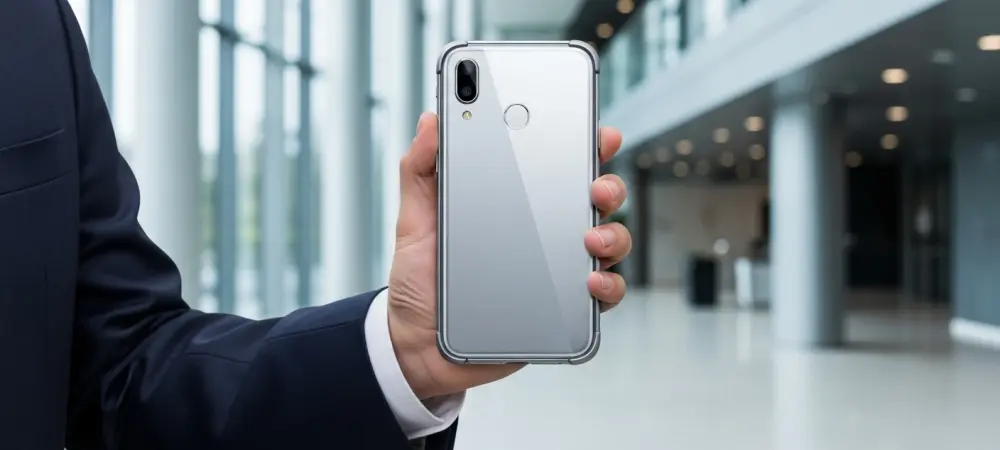
The rapid evolution of mobile technology has shifted consumer focus from mere processing power toward the physical longevity of devices that must withstand the rigors of daily life. While flagship models historically monopolized advanced protective materials, the release of the Redmi Note 17 Pro suggests a significant democratization of high-end durability standards in the mid-range segment. Manufacturers are increasingly recognizing that a smartphone is only as valuable as its ability to survive an accidental drop or a sudden downpour, prompting a re-evaluation of what constitutes a “budget-friendly” build. From 2026 to 2028, the industry is expected to witness a surge in ruggedized mid-range shipments as durability becomes a primary marketing pillar for global brands. This shift is particularly evident in how modern mid-range devices are now incorporating specialized alloys and glass technologies that were once reserved for premium tiers. As users demand more value for their investment, the industry has responded with hardware that prioritizes structural integrity.
Engineering Resilience: Material Innovation
Physical Defenses: Implementation of Victus 3
The primary defense mechanism of the Redmi Note 17 Pro revolves around the integration of Gorilla Glass Victus 3, a material specifically engineered to resist scratches and high-velocity impacts on concrete surfaces. This inclusion is a departure from previous mid-range iterations which typically utilized older versions of tempered glass, offering significantly less protection against micro-fractures during repetitive stress cycles. By utilizing a dual-ion exchange process, the manufacturer has managed to increase the surface tension of the display, making it less susceptible to the spider-web cracking often seen in less expensive alternatives. Beyond the screen, the back panel employs a matte-finish variant of the same material, which serves a dual purpose of providing a tactile grip while resisting the structural fatigue that occurs with temperature fluctuations. This focus on material science ensures that the device maintains its aesthetic appeal while functioning as a rugged tool capable of surviving the unpredictable environments of modern urban and rural landscapes.
Future Proofing: Maximizing Device Lifecycle
The transition toward durable mid-range hardware proved to be a decisive turning point for consumers seeking to extend the replacement cycle of their mobile devices without incurring excessive costs. It became evident that prioritizing structural resilience was the most effective way to reduce the total cost of ownership, as repair expenses often exceeded the initial savings of cheaper models. Users who invested in this technology successfully leveraged the enhanced IP69 rating and the impact-resistant chassis to maintain device functionality in demanding environments where previous generations failed. Moving forward, the logical progression involved adopting a minimalist approach to accessories, as the inherent toughness of the hardware rendered traditional screen protectors and heavy cases largely redundant. This shift encouraged a greater focus on software longevity and battery health, as the physical hardware was finally capable of outlasting the standard two-year update cycle. This development fundamentally altered purchasing habits, favoring long-term reliability.