

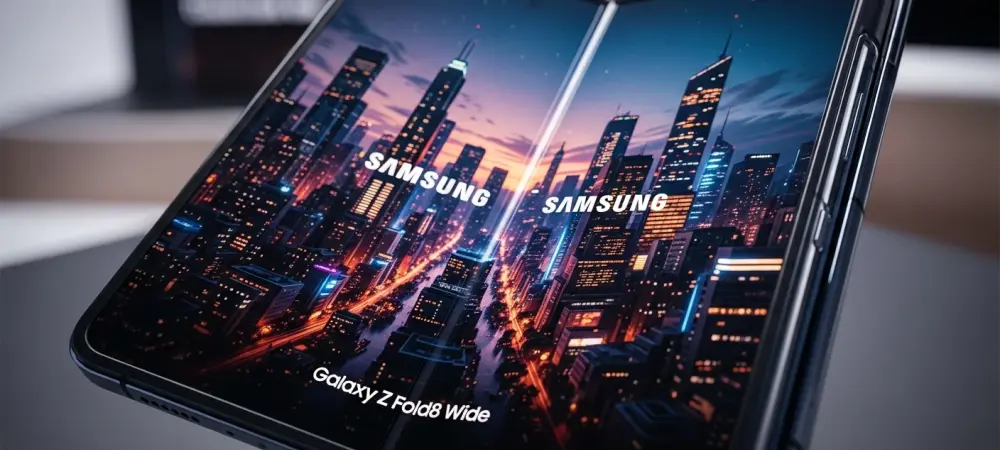
The persistent pursuit of the perfect screen-to-pocket ratio has led to a radical bifurcation of the most successful foldable lineup in the current smartphone market. Since its inception, the Z Fold series transitioned from a curiosity into a powerhouse. However, the “tall” design faces scrutiny, prompting a strategic shift toward dual ergonomic choices.
Redefining the Foldable Blueprint: Why the Shift to “Wide” Matters
Market analysts suggest that a single form factor limited foldable appeal. By introducing a wider variant, Samsung acknowledges that users value traditional smartphone width when closed. This pivot moves away from restrictive dimensions toward a dual-track strategy with deep industry implications.
This evolution signals a maturing industry where one flagship no longer serves every need. Industry observers note that this diversification forces competitors to reconsider their own design philosophies to maintain relevance in a fragmenting segment.
The Architecture of Choice: Comparing the Standard Fold8 and the Wide Variant
The Physical Divide: Analyzing Dimensions and Pocketability
The standard variant maintains its legacy height while the Wide version sheds 3.5cm. This “mini-foldable” silhouette fits naturally into pockets, addressing complaints regarding portability. The 5.4-inch cover screen ends the “remote control” feel, offering a natural smartphone experience. This broader aspect ratio allows for better typing and a secure one-handed grip.
Optimizing the Unfolded Experience: Landscape Multitasking and Media
The Wide model utilizes a native landscape orientation that facilitates seamless side-by-side app integration. This architecture eliminates the need to rotate the device for professional workflows. Additionally, the canvas reduces video letterboxing, making the device a superior choice for media enthusiasts. Cinematic content fits comfortably, providing a more immersive, theater-like viewing experience.
Strategic Defensive Plays: Countering the Impending “iPhone Fold”
This design pivot is a proactive response to rumors of a compact Apple foldable. By launching in July, Samsung secures market share before the September tech cycle begins.
The Wide model serves as a mature alternative to unreleased competitors. Establishing this benchmark early allows the brand to define the compact category before others enter.
Diversification as a Survival Tactic: Segmenting the Premium User Base
Samsung is now catering to both power users and portability seekers. While the compact chassis poses challenges for thermal management, it allows for distinct price positioning. The Wide model functions as a premium lifestyle choice for a new segment. This approach prevents the brand from alienating its base while attracting fresh demographics.
Navigating the 2026 Foldable Market: Recommendations for Consumers and Creators
Choosing between height and breadth depends on daily habits and ergonomic needs. Consumers should test both formats to see which center of gravity feels balanced.
Developers must prepare for varied aspect ratios to ensure interface efficiency. Transitioning to a landscape-first design will maximize productivity as the ecosystem adapts to these diverse form factors.
The Future of the Fold: Embracing a Multi-Format Era
Samsung’s decision to split its flagship identity ended the “one size fits all” era. This move standardized ergonomic designs and forced manufacturers to prioritize user comfort.
Industry leaders recognized that the Wide model paved the way for innovation. Ultimately, the shift toward a wider profile successfully addressed the ergonomic hurdles that previously hindered adoption.