

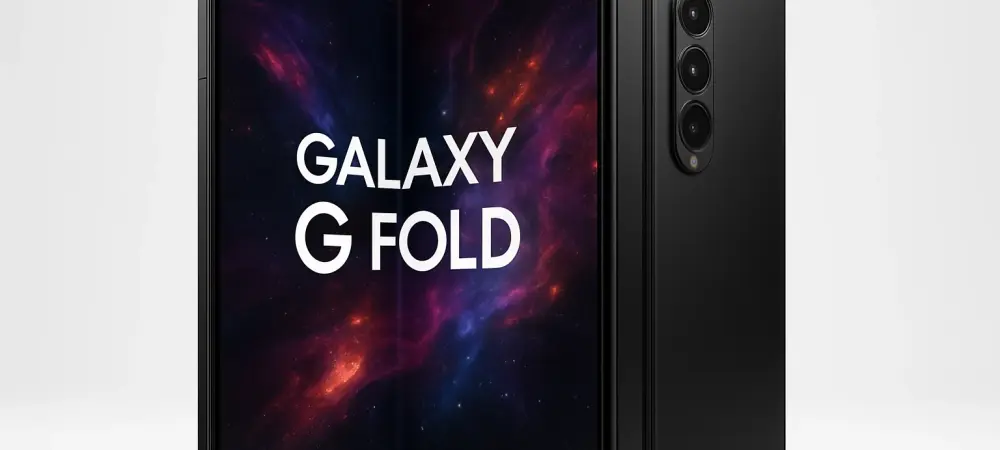
In an era where technology continually pushes boundaries, Samsung is at the forefront, potentially revolutionizing the smartphone market once again. Reports suggest that Samsung is preparing to unveil its first tri-fold smartphone, allegedly named the Samsung Galaxy G Fold. Rumored to debut at a Galaxy Unpacked event, this innovative device captures the imagination with its distinctive G-shaped fold design. Designed to maximize screen real estate, the phone embraces three display panels connected by two hinges, a strategy that promises unprecedented flexibility and usability for the modern tech enthusiast.
Innovative Design and Functionality
Distinctive G-Shaped Fold
The anticipated G-shaped fold represents a groundbreaking shift in smartphone design, setting a new standard against existing fold models. Departing from the conventional S-shaped fold, this configuration allows for a broader and more immersive viewing experience when the device is fully unfolded. The use of three connected panels not only maximizes screen space but also enables seamless transitions and multi-tasking potential that was previously unimaginable in a single device. Such innovation in folding technology highlights Samsung’s commitment to pushing the envelope in mobile design. The design approach extends beyond aesthetics, concentrating on functionality and durability. Each panel in the tri-fold structure has been meticulously designed to serve specific purposes. The central panel is anticipated to act as the primary display, catering to all standard smartphone functionality. The additional panels might offer auxiliary features like gaming, streaming, or productivity, ceasing to be mere extensions but becoming integral parts of the user experience. This holistic approach to design is likely to attract tech-savvy users seeking versatile and multifunctional gadgets.
Multifaceted Display Capabilities
Recent leaks, particularly through animations spotted within the One UI 8 beta version, have sparked further intrigue regarding the Galaxy G Fold’s potential. This version has revealed insights into a device tentatively named “Multifold 7,” showcasing a unique tri-panel structure with specific features tailored for professional and recreational applications. The present beta includes a variety of interface layouts, hinting at each panel’s potential roles and significance. The outermost panel will likely house a cover display intended for immediate notifications, quick interactions, or viewing while on the move. This panel may be equipped with a hole-punch camera, designed specifically for selfies or video calls, enhancing its appeal to socially active users. On the other hand, one of the other panels might feature multifunctional uses, capable of supporting a host of applications simultaneously. These integrations emphasize Samsung’s forward-thinking approach and its dedication to delivering superior products engineered for future trends.
Unprecedented Innovation and Market Impact
Competitive Edge and Market Dynamics
Samsung’s venture into tri-fold smartphone technology not only challenges conventional designs but also marks its bid to outpace competitors such as Huawei, who currently experiments with different folding mechanics like the S-fold. Tri-fold technology ensures users receive a dynamic device capable of standing out in a competitive market, offering functionality that rivals find hard to reproduce with current technologies. This decisive move may potentially redefine consumer expectations of what is achievable within the confines of a portable device.
Additional speculations suggest that the device may feature advanced technology, such as silicon-carbon batteries, offering improved battery life compared to traditional lithium-ion cells. This advancement highlights Samsung’s efforts to couple innovation with practicality, making sure devices not only feature advanced designs but also deliver reliable performance. Furthermore, releasing such a trailblazing phone might not only secure Samsung’s dominance in the foldable market but can trigger a chain reaction, prompting other manufacturers to explore similar venues of innovation.
Hints of Availability and Pricing Strategies
As we move deeper into today’s technology-driven era, Samsung is once again positioned to shake up the smartphone industry. With rumors circulating, it seems the tech giant is on the verge of revealing its first tri-fold smartphone, tentatively named the Samsung Galaxy G Fold. Anticipated to make its debut at a Galaxy Unpacked event, this groundbreaking gadget is stirring excitement with its unique G-fold design. Unlike traditional smartphones, the Galaxy G Fold boasts three separate display panels seamlessly linked by two innovative hinges. This design strategy aims to optimize screen space, delivering unparalleled flexibility and functionality that modern tech lovers crave. Samsung’s latest endeavor not only emphasizes its commitment to pushing design boundaries but also sets a new benchmark for mobile innovation, promising a shift in how we interact with our devices. This new venture indicates Samsung’s dedication to staying at the cutting edge, continually redefining what’s possible in smartphone technology.