

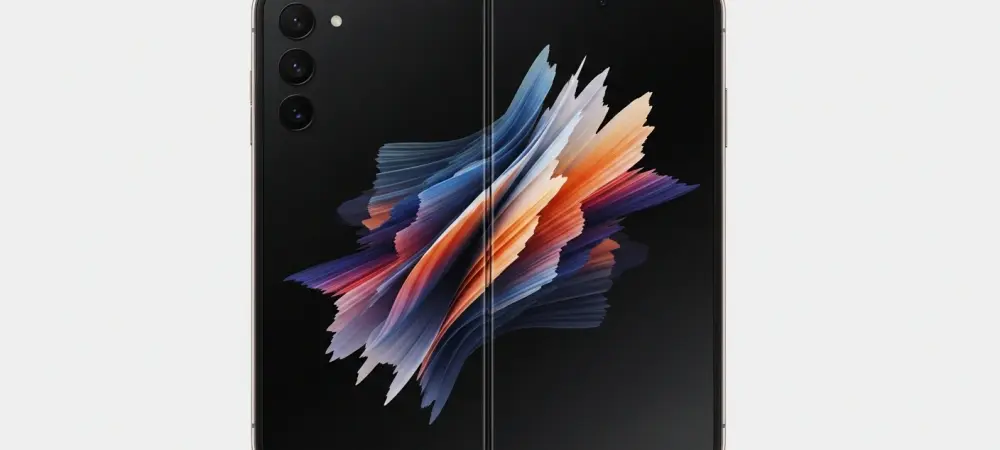
The global smartphone landscape is currently bracing for a seismic shift as internal supply chain leaks suggest a radical departure from the established design language of the world’s most popular foldable series. For years, the industry has debated whether the narrow, vertical orientation of modern folding phones truly meets the needs of power users, and it appears the answer has finally arrived in the form of a completely new hardware category. This development marks a pivotal moment in mobile engineering, where the focus has shifted from merely folding a screen to perfecting the utility of the canvas itself.
Industry insiders indicate that this pivot is more than just a minor refresh; it is a calculated response to a market that is no longer satisfied with incremental upgrades. By moving toward a wider aspect ratio, the upcoming hardware aims to bridge the gap between traditional smartphones and high-end tablets. This transition signifies a newfound maturity in the foldable segment, as manufacturers move beyond the novelty of the flexible display and start addressing the ergonomic criticisms that have followed the technology since its inception.
The July 2026 Countdown: Samsung’s Aggressive New Timeline
Evidence from South Korean industry circles suggests that the next major Galaxy Unpacked event is scheduled for July 22, a date that represents a significant acceleration in the typical product cycle. London has emerged as the most likely host for this international reveal, positioning the launch in a high-visibility European hub during the peak of the summer season. By pulling the release window forward, the objective is clearly to saturate the market and dominate the tech conversation well before the late-summer rush of consumer electronics news.
This aggressive scheduling reflects a broader intent to preempt any rival announcements that typically occur in the third quarter. While the standard Z Fold8 and Z Flip8 are expected to maintain their roles as reliable, iterative updates, the spotlight is firmly fixed on a third, more experimental device. Moving the timeline up ensures that early adopters and professional users have the new hardware in their hands before any major competitors can unveil their own visions for the future of mobile productivity.
Defending the Foldable Throne Against the “iPhone Fold”
The primary driver behind this strategic urgency is the looming shadow of Apple’s long-anticipated entry into the folding market. For years, the absence of a foldable iPhone has allowed other manufacturers to define the category, but with rumors of an “iPhone Fold” reaching a crescendo, the status quo is about to be challenged. The introduction of the Galaxy Z Wide Fold is a defensive maneuver designed to offer a form factor that closely mirrors the rumored dimensions of the upcoming Apple device, thereby neutralizing its potential impact.
Rather than waiting for the competition to set the trend, this new release seeks to establish a standard that fans of wider screens have been demanding. By diversifying the lineup now, the goal is to lock in premium users who might otherwise be tempted to switch platforms once a foldable alternative with a more traditional screen ratio becomes available. This preemptive strike highlights a shift from a monopolistic strategy to one of sophisticated market segmentation, where variety serves as the ultimate shield against brand migration.
Dissecting the Galaxy Z Wide Fold: Form Factor and Hardware
At the heart of this leak is the transition to a 4:3 aspect ratio for the internal 7.6-inch AMOLED display, a move that effectively kills the “remote control” feel of previous generations. This wider workspace is engineered specifically for multitasking, allowing for side-by-side app usage that feels natural rather than cramped. However, the true innovation lies in the exterior, where a compact 5.4-inch cover display ensures that the device remains manageable and pocketable when closed, offering a stark contrast to the towering heights of earlier models.
Under the hood, the device is expected to be a powerhouse, potentially housing the Snapdragon 8 Elite Gen 5 processor within a remarkably slim 0.39-inch chassis. To achieve this ultra-thin profile, certain trade-offs were made, most notably the rumor of a dual-camera system instead of the typical triple-lens array. This decision suggests that the Wide Fold is being positioned as a productivity-first tool, where sleekness and screen real estate are prioritized over the exhaustive photography suites found on more traditional flagship models.
Strategic Diversification: Why Variety is Samsung’s New Weapon
The decision to launch three distinct foldable models—the Z Fold8, the Z Flip8, and the new Wide Fold—signals a departure from the “one size fits all” approach that has defined the market for years. By expanding the portfolio, the strategy acknowledges that foldable users are not a monolithic group; some value the portability of a flip phone, while others require the expansive workspace of a wide-format tablet. This diversification allows for a broader reach across different price points and use cases, making the technology accessible to a wider demographic.
Furthermore, this variety serves as a vital experimentation ground for future design directions. If the Wide Fold gains significant traction, it could signal the end of the narrow-screen era for all premium foldables. By offering these alternatives simultaneously, the brand can gather real-world data on consumer preferences in real-time. This method effectively turns the current product cycle into a massive market test, ensuring that future designs are rooted in actual user behavior rather than theoretical ergonomic models.
Navigating the 2026 Foldable Market: What to Look For
As the summer launch approaches, prospective buyers should carefully evaluate how the 4:3 aspect ratio fits into their daily workflows, particularly for document editing or media consumption. While the wider screen offers more horizontal space, the reduction in cover display size may change how one interacts with the phone for quick tasks like texting or checking notifications. It was essential to consider whether the improved portability of a 5.4-inch exterior outweighs the loss of a larger secondary screen for one-handed use.
Performance enthusiasts will also need to monitor the thermal management of the Snapdragon 8 Elite Gen 5 within such a thin frame. If the 0.39-inch chassis lacked adequate cooling, the high-end processing power could be throttled during intensive tasks. Ultimately, the choice between the standard Fold8 and the new Wide Fold came down to a preference for photography versus productivity. Those who relied on professional-grade zoom lenses found the dual-camera setup of the Wide Fold a difficult pill to swallow, whereas those seeking a more traditional tablet experience viewed the wider dimensions as a long-overdue evolution.