

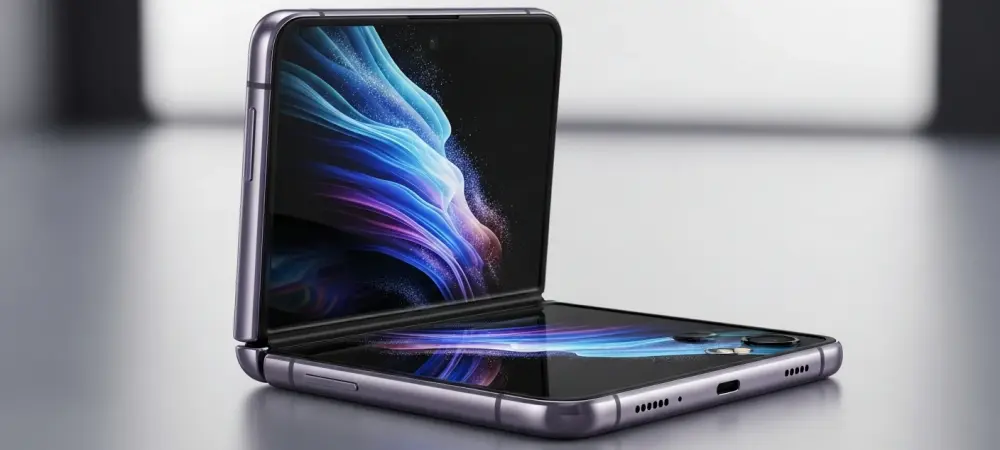
The foldable smartphone market has shifted from a niche experimental playground to a mature category where refinement often takes precedence over radical redesign. The Samsung Galaxy Z Flip 8 represents a significant advancement by focusing on internal efficiency and connectivity rather than altering a silhouette that has become iconic.
By examining the synergy between its hardware and the software ecosystem, one can see how Samsung maintains dominance while navigating the complex pressures of regional hardware logistics. This review explores the technical nuances that define the current era of compact clamshell devices.
Evolution of the Clamshell Foldable Form Factor
Clamshell foldables have transitioned from nostalgic curiosities to high-performance tools that address the modern need for portability. This evolution relies on the advancement of ultra-thin glass and hinge mechanisms that minimize the visible crease while maintaining structural integrity. Samsung has successfully integrated this form factor into the broader technological landscape by positioning it as a lifestyle accessory. It represents a broader shift toward devices that prioritize space-saving design without compromising on the power expected from a flagship model.
Hardware Architecture and Internal Components
Beneath the familiar exterior, the device architecture revolves around maximizing thermal efficiency in a confined space. This version emphasizes the optimization of power delivery to support advanced AI processing tasks throughout the day without significant degradation.
Such engineering is crucial because the dual-battery layout of foldables presents unique challenges in heat dissipation and charging speed. Engineers have refined the internal layout to ensure that high performance does not lead to thermal throttling during intensive use.
Regional Processor Disparity: Snapdragon vs. Exynos
The persistent divergence between Snapdragon and Exynos variants remains a polarizing aspect of the manufacturing strategy. In the United States, the integration of the Snapdragon 8 Elite Gen 5 ensures a high baseline for peak performance and graphics processing.
However, the use of the Exynos 2600 in other markets introduces a performance delta that affects user perception of the device. This disparity requires careful software tuning to maintain a consistent experience across all global regions and maintain brand reliability.
Next-Generation Connectivity and Satellite Integration
A significant leap in this generation is the introduction of satellite-based communication via the NB-NTN B255 band. This feature transforms the device into a critical safety tool, allowing users to send emergency messages in dead zones where traditional towers fail to reach.
While Wi-Fi 7 and improved NFC are standard, the absence of Ultra-wideband in the US model is a notable omission. This strategic trade-off reflects the complexity of balancing component costs with regional network requirements and specific market demands.
Current Trends in the Foldable Smartphone Market
Current trends show a move toward technology where the foldable screen feels as durable as standard glass. Manufacturers are leaning into specialized cover-screen software that reduces the need to open the device for quick interactions, effectively extending the lifespan of the hinge.
This shift reflects a growing consumer desire for a more focused way to handle notifications without the distraction of a full-sized display. By streamlining the secondary display experience, Samsung addresses the demand for efficiency in an increasingly digital-heavy world.
Practical Implementation and User Scenarios
In practice, the Z Flip 8 shines in content creation and hands-free communication, particularly for the burgeoning creator economy. Flex Mode allows for tripod-free photography and video conferencing, which is a major benefit for mobile-first professionals on the move.
Industries like retail and logistics are also exploring these compact devices for floor workers who require portability alongside a large screen for data entry. The ability to fold the device into a pocket-sized form factor remains a primary driver for professional adoption across various sectors.
Technical Limitations and Market Challenges
Despite these wins, the device faces hurdles such as the ongoing crease perception among skeptical buyers who prioritize display perfection. The lack of high-tier camera hardware found in larger flagships continues to be a point of contention for photography enthusiasts who want the best optics. Regulatory scrutiny regarding repairability and the high cost of screen replacements remain significant market obstacles to overcome. Addressing these concerns is vital for achieving broader adoption in more cost-sensitive consumer segments that remain wary of foldable durability.
Future Outlook for the Galaxy Z Series
The trajectory for the Galaxy Z series points toward a convergence of the Flip and Fold lines through hybrid display technologies. Future iterations may finally eliminate the mechanical hinge altogether in favor of even more flexible substrates that allow for multi-fold configurations.
This transition will likely solidify the foldable as the standard for personal computing in the coming years. As battery and material sciences progress, the gap between foldables and traditional slab phones will continue to vanish until the form factor becomes universal.
Final Evaluation of the Samsung Galaxy Z Flip 8
The Samsung Galaxy Z Flip 8 proved to be a masterclass in incremental engineering, balancing safety features with raw power. Industry leaders observed that the focus on satellite connectivity and processor optimization provided a necessary foundation for a more resilient mobile ecosystem. Strategists noted that future development should prioritize standardized repair programs to mitigate lingering concerns regarding the longevity of flexible components. The device successfully maintained its relevance by bridging the gap between aesthetics and utility in a competitive global market.