

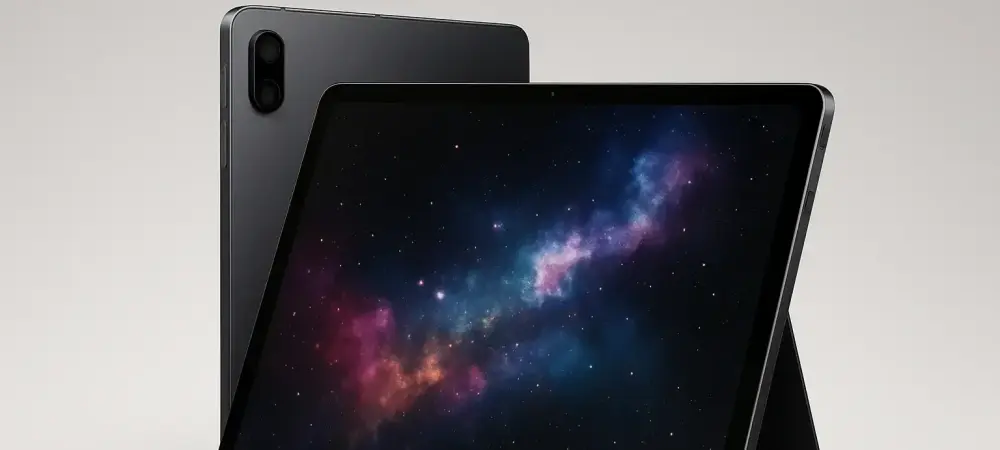
I’m thrilled to sit down with Dominic Jainy, a seasoned IT professional whose deep knowledge of cutting-edge technologies like artificial intelligence and machine learning offers a unique perspective on the latest consumer electronics. Today, we’re diving into the recent launch of the Samsung Galaxy Tab S11 series in India, exploring its standout features, pricing details, and the innovative tech that powers these devices. From display advancements to AI integrations, Dominic will break down what makes these tablets a game-changer in the market.
How did the launch of the Samsung Galaxy Tab S11 series unfold in India, and what was the timeline compared to other markets?
The Samsung Galaxy Tab S11 series made its debut in select global markets just before the pricing was announced in India on Thursday. It’s exciting to see how quickly Samsung rolled out this lineup to Indian consumers after the initial international launch. The series, which includes both the standard Tab S11 and the Tab S11 Ultra, has generated quite a buzz, and the pricing reveal in India marks a significant step in making these premium tablets accessible to a wider audience.
What sets the Galaxy Tab S11 apart from the Galaxy Tab S11 Ultra in terms of design and core specs?
The primary distinction lies in their size and power. The Galaxy Tab S11 sports an 11-inch Dynamic AMOLED 2X display, while the Tab S11 Ultra steps up with a larger 14.6-inch screen of the same type, catering to users who crave a more immersive viewing experience. Battery capacity also differs significantly—the standard model has an 8,400mAh battery, whereas the Ultra boasts an 11,600mAh one for extended usage. Storage options vary as well, with both offering multiple configurations, though the Ultra tends to target users needing higher capacity with options up to 512GB in both Wi-Fi and 5G variants.
Can you walk us through the pricing structure for the Galaxy Tab S11 in the Indian market?
Absolutely. The Galaxy Tab S11 starts at Rs. 80,999 for the Wi-Fi model with 12GB of RAM and 128GB of storage. For those needing more space, the 12GB + 256GB Wi-Fi variant is priced at Rs. 85,999, and the top-tier 12GB + 512GB Wi-Fi model costs Rs. 96,999. If you’re looking at the 5G models, they start at Rs. 93,999 for the 12GB + 128GB configuration and go up to Rs. 98,999 for the 12GB + 256GB variant. Unfortunately, there’s no 512GB option for the 5G version of the standard model.
How does the pricing for the Galaxy Tab S11 Ultra compare, especially across its different variants?
The Galaxy Tab S11 Ultra is positioned as a premium offering, with the base Wi-Fi model starting at Rs. 1,10,999 for 12GB of RAM and 256GB of storage. The higher-end Wi-Fi variant with 512GB storage is priced at Rs. 1,21,999. For 5G connectivity, you’re looking at Rs. 1,24,999 for the 256GB model and Rs. 1,35,999 for the 512GB version. It’s a significant jump from the standard model, reflecting the enhanced specs and larger display.
What can you tell us about the display technology in the Galaxy Tab S11 series that enhances the user experience?
Both the Tab S11 and S11 Ultra feature Dynamic AMOLED 2X displays, which deliver incredibly vibrant colors and deep contrasts. They support a 120Hz refresh rate for smooth scrolling and animations, which is fantastic for gaming or video playback. Additionally, with a peak brightness of 1,600 nits, these screens perform exceptionally well even in bright outdoor conditions, making them versatile for all kinds of environments.
Let’s talk performance—what powers these tablets, and how does the software complement the hardware?
Under the hood, both tablets are equipped with the MediaTek Dimensity 9400 chipset, a powerful SoC that ensures top-tier performance for multitasking, gaming, and productivity tasks. They run on Android 16-based One UI 8, which offers a polished and intuitive interface. This combination of cutting-edge hardware and optimized software makes these tablets stand out as reliable devices for both casual users and professionals.
How do the AI features integrated into the Galaxy Tab S11 series elevate its functionality?
The Galaxy Tab S11 series comes loaded with Samsung’s Galaxy AI suite, which enhances the user experience through intelligent features like personalized recommendations and improved multitasking capabilities. On top of that, Google’s Circle to Search and Gemini AI integrations allow for seamless searching and smart assistance right from the screen. These features make everyday tasks—like finding information or organizing workflows—more intuitive and efficient, truly showcasing how AI can transform tablet usage.
What is your forecast for the impact of AI-driven tablets like the Galaxy Tab S11 series on the future of personal and professional tech?
I believe we’re just at the beginning of a major shift where AI-driven devices like the Galaxy Tab S11 series will redefine how we interact with technology. As AI continues to evolve, tablets will become even more indispensable tools for both personal entertainment and professional productivity. We’ll likely see deeper integrations that anticipate user needs, streamline complex tasks, and bridge the gap between different devices in our ecosystem. The potential for these tablets to adapt and grow with user habits is immense, and I think they’ll set a new standard for what we expect from mobile tech in the coming years.