

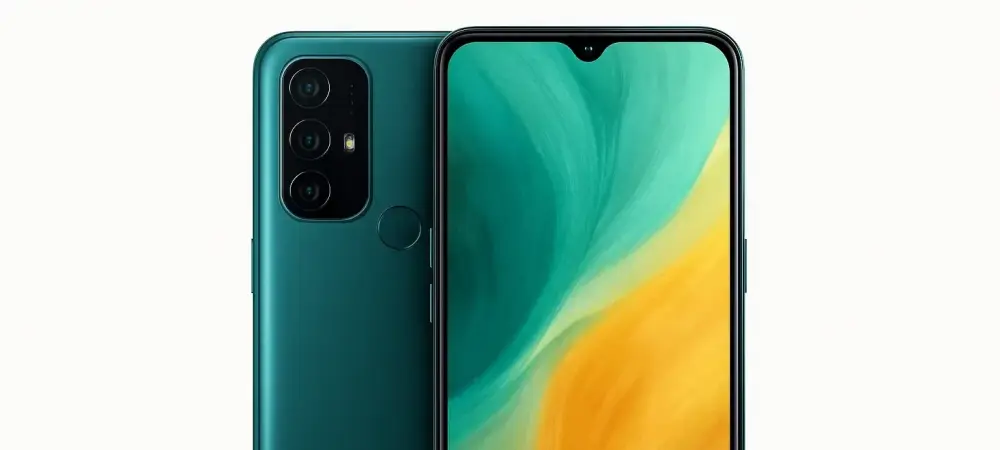
Introduction to the Oppo F31 Series
Imagine a smartphone that keeps up with an entire day of streaming, gaming, and multitasking without needing a recharge, a dream for many in the fast-evolving Indian smartphone market where consumers demand power, durability, and cutting-edge features at competitive prices. The recent launch of a new series by a renowned Chinese manufacturer has captured significant attention, promising to redefine expectations in the mid-range segment with standout specifications and thoughtful design.
The purpose of this FAQ article is to address the most pressing questions surrounding this launch, offering clarity on features, pricing, and availability. It aims to guide potential buyers and tech enthusiasts through the key aspects of these devices, ensuring informed decision-making.
Readers can expect detailed insights into what sets this lineup apart, from battery life to camera capabilities, along with practical information on where and when to purchase these devices. This discussion will break down complex specifications into accessible answers, shedding light on how these smartphones fit into the broader market landscape.
Key Questions About the Oppo F31 Series
What Is the Oppo F31 Series, and Why Is It Significant?
The Oppo F31 series comprises three models—F31 5G, F31 Pro 5G, and F31 Pro+ 5G—introduced to cater to the diverse needs of Indian consumers in the mid-range smartphone category. This launch is notable as it addresses a growing demand for devices that balance affordability with premium features, a critical factor in a price-sensitive yet tech-savvy market like India. The series stands out due to its focus on extended battery life and robust build quality, appealing to users who prioritize reliability.
The significance lies in how these devices respond to current consumer trends, such as the need for longer usage times and resilience against everyday wear and tear. With a massive 7,000mAh battery across all models, they target users frustrated by frequent charging, while high IP ratings for dust and water resistance cater to those in varied environments. This strategic positioning makes the series a noteworthy contender against established competitors.
What Are the Key Features Shared Across All Models?
A defining characteristic of this lineup is the uniform inclusion of a 7,000mAh battery, supported by 80W SuperVOOC Flash Charge technology for rapid recharging. This feature ensures that users can go through extended periods of heavy usage—be it video streaming or navigation—without worrying about power depletion. Additionally, the camera system is a highlight, with each model sporting a 50-megapixel primary rear sensor featuring optical image stabilization (OIS) for sharper images and smoother videos.
Beyond power and photography, durability is a core focus, with all devices boasting impressive IP ratings (IP69, IP68, and IP66) for protection against dust and water. The 360-degree “damage-proof” Armour Body further enhances ruggedness, making these smartphones suitable for both urban and outdoor settings. Running on Android 15-based ColorOS 15, the series also offers a modern, user-friendly software experience with the latest optimizations.
These shared attributes underscore a commitment to delivering value through longevity and versatility. Whether for casual users or those with demanding lifestyles, the combination of battery capacity, camera quality, and tough design addresses multiple pain points effectively.
How Do the Specifications Differ Between the Models?
Each model in the series is tailored to specific user preferences, starting with the base F31 5G, which is powered by the MediaTek Dimensity 6300 SoC and features a 6.5-inch full-HD+ AMOLED display with a 120Hz refresh rate. It offers up to 8GB RAM and 256GB storage, paired with a 16-megapixel front camera, making it ideal for budget-conscious buyers seeking solid performance.
Stepping up, the F31 Pro 5G incorporates the MediaTek Dimensity 7300 Energy chipset for enhanced efficiency, alongside an adaptive refresh rate display for better power management. With options for up to 12GB RAM and faster UFS 3.1 storage, plus Wi-Fi 6 connectivity, this model targets users who need a bit more speed and responsiveness in their daily tasks.
The top-tier F31 Pro+ 5G elevates the experience with the Qualcomm Snapdragon 7 Gen 3 chipset and a larger 6.8-inch full-HD+ BOE AMOLED display boasting higher resolution. Its superior graphics performance and premium build cater to power users and display enthusiasts, distinguishing it as the flagship offering in the lineup, though it retains the same battery and camera setup as the others.
What Are the Pricing Details and Color Options Available?
Pricing for the series is structured to accommodate a range of budgets within the mid-range segment. The base F31 5G starts at Rs. 22,999 for the 8GB RAM + 128GB storage variant, going up to Rs. 24,999 for the 256GB storage option, and is offered in lively colors like Midnight Blue, Cloud Green, and Bloom Red to attract younger buyers. The F31 Pro 5G is priced between Rs. 26,999 for the base 8GB RAM + 128GB configuration and Rs. 30,999 for the top 12GB RAM + 256GB variant, available in sophisticated shades such as Desert Gold and Space Grey. Meanwhile, the premium F31 Pro+ 5G ranges from Rs. 32,999 to Rs. 34,999 for its configurations, with elegant color choices including Gemstone Blue, Himalayan White, and Festive Pink, blending style with substance.
This tiered pricing ensures accessibility across different income levels, while the varied color palettes allow for personalization, reflecting individual tastes and enhancing the appeal of each model in a competitive market.
When and Where Can Consumers Purchase These Devices?
Availability timelines for the series are staggered to build anticipation and streamline distribution. The Pro and Pro+ models became available for purchase starting September 19, giving early adopters access to the higher-end options first. The standard F31 5G followed shortly after, with sales commencing on September 27, ensuring broader reach after the initial launch wave. Consumers can acquire these smartphones through multiple channels, including offline retail stores for those who prefer in-person shopping experiences. Additionally, the official online store of the manufacturer and major e-commerce platforms like Flipkart and Amazon provide convenient online purchasing options, making the devices accessible to a wide audience across urban and rural areas of India.
This multi-channel approach maximizes reach and caters to diverse shopping habits, ensuring that whether someone prefers browsing in a store or ordering from home, they can easily secure their preferred model from the lineup.
How Does the Series Fit into Current Market Trends?
The introduction of this series aligns with several prominent trends shaping the smartphone industry in India, particularly the push toward larger battery capacities to support intensive usage. The 7,000mAh battery addresses a critical consumer need for devices that endure through long hours of gaming, streaming, or work-related tasks without interruption. Another trend reflected in the lineup is the growing emphasis on camera technology, as seen in the 50-megapixel sensor with OIS and versatile shooting modes. This caters to the increasing importance of photography and videography in purchasing decisions, especially among younger users who value content creation. Furthermore, the high IP ratings and durable builds tap into a demand for rugged devices that can withstand challenging conditions, a feature gaining traction in varied markets.
By integrating these elements, the series positions itself as a forward-thinking option that not only meets current expectations but also anticipates future needs, carving out a strong niche amid fierce competition in the mid-range segment.
Summary of Key Insights
This FAQ has unpacked the essential details of the newly launched smartphone series, highlighting the shared 7,000mAh battery, advanced camera systems, and durable designs across all models. It clarifies the distinct specifications of the F31 5G, F31 Pro 5G, and F31 Pro+ 5G, alongside their tiered pricing from Rs. 22,999 to Rs. 34,999, tailored to diverse budgets. Availability through multiple channels starting mid to late September ensures wide accessibility for Indian consumers.
The discussion also emphasizes how the lineup mirrors industry trends like extended battery life, enhanced imaging, and ruggedness, positioning it as a competitive choice. Key takeaways include the balance of affordability with premium features and the strategic differentiation between models to appeal to varied user needs.
For those seeking deeper exploration, checking official manufacturer announcements or tech review platforms can provide additional perspectives on performance and user experiences with these devices, enriching understanding beyond this overview.
Final Thoughts on the Launch
Reflecting on the rollout of this smartphone series, it becomes evident that the launch marks a pivotal moment for the mid-range market in India, setting a new benchmark for what consumers can expect from accessible technology. The focus on power, durability, and imaging resonates strongly with evolving demands, leaving a lasting impression on the competitive landscape. Moving forward, potential buyers are encouraged to evaluate how these devices align with their specific needs—whether prioritizing battery endurance for travel or camera quality for creative pursuits. Exploring in-store demos or online reviews can further aid in making a confident choice, ensuring the selected model matches daily usage patterns.
As the market continues to evolve, staying informed about software updates or upcoming promotions related to this series proves beneficial, offering opportunities to maximize value from such innovative offerings. This launch serves as a reminder of technology’s role in enhancing everyday life, prompting thoughtful consideration of personal device preferences.