

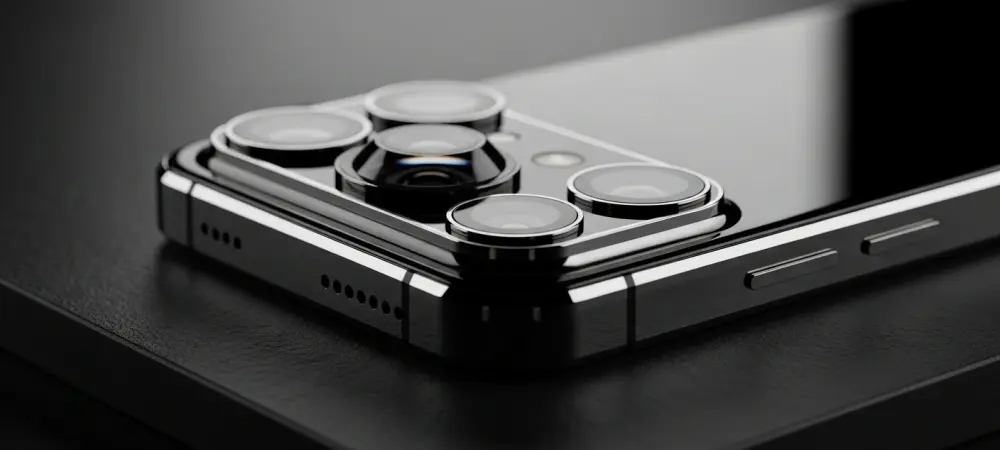
The emergence of a flagship smartphone in the hands of consumers before its official global unveiling is a rare phenomenon that disrupts the traditional cycle of high-tech marketing. In recent days, the Samsung Galaxy S26 Ultra has surfaced in regional markets like Dubai, where early adopters are reportedly bypassing official launch protocols by paying nearly three times the expected retail price. This premature arrival offers a candid look at how Samsung’s flagship philosophy has shifted to address the demand for professional-grade optics within a consumer handheld format, setting a new tone for the high-end mobile landscape.
Evolution of the Ultra Flagship and the Tech Landscape
The Galaxy S26 Ultra arrives at a time when the smartphone industry is moving away from the “megpixel war” toward a focus on the physics of light. Samsung’s flagship philosophy remains rooted in providing an all-encompassing tool for power users, yet the context of its release suggests a more aggressive approach to hardware dominance. By allowing the device to slip into the hands of “gray market” enthusiasts, the brand inadvertently highlights the intense anticipation for a device that functions more like a professional workstation than a traditional phone.
This iteration reflects a broader technological trend where the smartphone is no longer just a communication device but the primary engine for mobile cinematography. The early feedback from regional leaks suggests that while the internal processing power continues to scale, the real value proposition lies in the device’s ability to handle complex visual data. The S26 Ultra positions itself as the definitive answer to a market that increasingly values tangible hardware improvements over software-simulated enhancements.
Technical Analysis of Primary Hardware Components
Advanced Optical Architecture and Revised Camera Design
The most striking physical change in this generation is the redesigned camera module, which features a notably thicker protrusion compared to its predecessor. While reports indicate that the primary sensor hardware remains similar to previous iterations, the increased depth of the camera island points toward the integration of faster optics. This shift is critical because a larger physical aperture allows for better light-gathering capabilities, reducing the reliance on digital noise reduction and providing a more natural depth of field in varied lighting conditions.
Furthermore, the transition from a rectangular periscope aperture to a rounded design marks a significant departure in telephoto engineering. This change is not merely aesthetic; it suggests a refined internal lens arrangement that can better facilitate high-speed autofocus and optical stabilization at extreme zoom levels. By prioritizing the physical dimensions of the glass, Samsung is addressing the limitations of mobile sensors, ensuring that the hardware can keep pace with the increasingly demanding requirements of high-bitrate video recording.
Display Innovation and Chassis Ergonomics
Samsung has once again pushed the boundaries of display scale, maintaining a massive footprint that defines the “Ultra” design language. The new panel technology integrated into this chassis focuses on higher peak brightness and more efficient power management, which is essential for a screen of this magnitude. The physical ergonomics remain imposing, favoring a boxy, industrial aesthetic that prioritizes screen real estate over one-handed usability, further solidifying its position as a tool for creators rather than a casual accessory.
Emerging Trends in Flagship Availability and Consumer Behavior
The rise of “gray market” early releases indicates a shift in consumer behavior where the exclusivity of owning hardware pre-launch outweighs the financial logic of waiting for official pricing. Early adopters are demonstrating a willingness to pay a massive premium to be the first to experience these optical refinements. This trend forces manufacturers to reconsider their global distribution strategies as regional retailers increasingly capitalize on the hype surrounding flagship debuts to drive high-margin sales ahead of the competition.
Moreover, the industry is witnessing a pivot toward optical speed rather than just sensor size. In the past, manufacturers competed on raw numbers, but the current market prioritizes how quickly and accurately a lens can resolve a scene. The S26 Ultra exemplifies this by focusing on the “light-gathering” refined architecture, signaling that the next era of mobile photography will be won through superior glass and more sophisticated light paths rather than just software algorithms.
Real-World Applications and Comparative Performance
When placed side-by-side with rivals like the iPhone 17 Pro Max or the Vivo X300 Pro, the S26 Ultra’s physical presence is undeniable. In professional mobile cinematography, the new periscope architecture allows for a level of zoom clarity that was previously reserved for dedicated mirrorless cameras. This performance is particularly evident in high-contrast environments where the revised optics manage flare and chromatic aberration more effectively than previous generations, giving creators a more reliable tool for outdoor production.
The device also carves out a unique niche in the realm of high-zoom photography, where its rounded lens elements provide a more consistent bokeh effect. While competitors often rely on aggressive post-processing to simulate a professional look, the S26 Ultra’s hardware-first approach results in a more organic image. This distinction is vital for users who require high-fidelity assets for social media or commercial work, as it reduces the time needed for color grading and artifact correction.
Strategic Challenges and Adoption Hurdles
Despite its technical prowess, the S26 Ultra faces significant hurdles, primarily the escalating cost of entry for the average consumer. As flagship prices continue to climb, justifying incremental updates becomes more difficult in a saturated market. While the optical improvements are genuine, the average user may struggle to perceive the difference in daily snapshots, making the “Ultra” moniker increasingly synonymous with a niche professional audience rather than the general public.
Logistically, the trend of unauthorized early sales presents a challenge for Samsung’s brand control. When regional retailers bypass protocols, it can lead to fragmented software experiences and inconsistent support for early units. Furthermore, the sheer physical size of the camera bump may alienate users who prefer a more pocketable device, highlighting the ongoing tension between the pursuit of superior photography and the practicalities of mobile hardware design.
Future Outlook for the Galaxy Ecosystem
The design choices seen in the S26 Ultra provide a roadmap for the future of the Galaxy ecosystem, pointing toward a deeper integration between hardware and AI. As optical limits are reached, the next frontier will likely involve AI-driven sensor management that can predict movement and lighting shifts in real-time. The S26 Ultra acts as the foundation for this transition, providing the raw optical data necessary for future software layers to operate with higher precision.
Long-term, the emphasis on a more prominent camera island may set a new aesthetic standard for the industry. If consumers embrace the “lens-first” design, it could lead to even more radical shifts in smartphone anatomy, where the screen and the camera are treated as two separate, equally important modules. This evolution suggests that the future of flagships will be defined by their ability to replace traditional specialized equipment, further blurring the line between consumer electronics and professional gear.
Final Assessment of the Samsung Galaxy S26 Ultra
The evaluation of the device revealed a clear trajectory toward specialized hardware that prioritizes optical speed and physical refinement over mere specification bloating. It was evident that the increased bulk of the camera module served a functional purpose, allowing for a level of light capture that set a new benchmark for the industry. While the early retail leaks bypassed official channels, they confirmed that the premium market remained hungry for tangible hardware innovation that justified its high price point. The shift toward a more industrial and lens-focused design language demonstrated that Samsung was no longer afraid to sacrifice slimness for performance. Moving forward, the industry must address the logistical gaps that allow for unauthorized releases while finding ways to make these high-end optical advancements accessible to a broader demographic. The S26 Ultra did not just represent a new phone; it signaled a pivot toward a more professionalized future for mobile technology where the hardware itself became the primary differentiator in an AI-saturated world.