

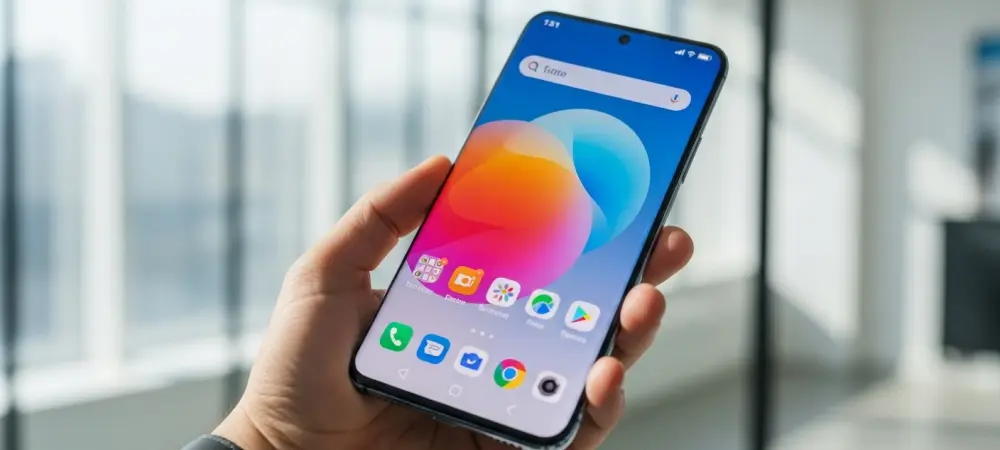
The modern consumer’s constant struggle with dwindling smartphone power despite the rapid advancement of mobile processing and high-speed connectivity has created a demand for devices that prioritize endurance without sacrificing a sleek aesthetic. While the industry has historically compromised on battery capacity to maintain slim profiles, the upcoming release of the Motorola Edge 70 Fusion aims to disrupt this long-standing trade-off through the integration of advanced silicon-carbon battery technology. By packing a massive 7,000mAh cell into a chassis that remains remarkably thin, this new handset addresses the core anxiety of power users who rely on their devices for intensive productivity and entertainment throughout the day. Set to make its debut in late February 2026, the device positions itself as a formidable contender in the competitive mid-range market, challenging the dominance of established players by focusing on real-world utility and longevity. This launch represents a strategic shift toward high-density power solutions that were once reserved for specialized hardware.
Advanced Engineering: The Silicon-Carbon Revolution
The primary technical achievement defining this new model is the inclusion of a 7,000mAh silicon-carbon battery, a significant leap forward from the standard 5,000mAh lithium-ion cells commonly found in contemporary smartphones. Silicon-carbon materials allow for much higher energy density, which is why the manufacturer has been able to keep the device thickness at a mere 7.99mm despite the substantial increase in total capacity. This engineering feat ensures that the phone does not feel bulky or unwieldy in the hand, maintaining the ergonomic standards expected of a premium mobile device. To complement this massive reservoir of energy, the system supports 68W fast charging, allowing users to quickly replenish the battery during short breaks. The move toward silicon-carbon technology signals a broader industry transition away from traditional battery chemistries, as manufacturers seek ways to support increasingly bright displays and power-hungry processors without increasing the physical footprint of the hardware or compromising on the overall user experience.
Visual Excellence: Display and Imaging Performance
Beyond its power capabilities, the device features a 1.5K quad-curved display designed to provide an immersive visual experience with a high 144Hz refresh rate for fluid navigation and gaming. The screen technology achieves a staggering peak brightness of 5,200 nits, ensuring complete legibility even under the direct glare of high-altitude sunlight, which is a common pain point for mobile users. In the photography department, the handset incorporates the 50MP Sony LYT-710 primary sensor, which utilizes Optical Image Stabilization to produce sharp, clear images in challenging low-light environments. This sensor is specifically tuned to enhance highlights and maintain detail in complex video recording scenarios, providing a level of performance that rivals more expensive flagship models. The aesthetic appeal is further bolstered by a continued partnership with Pantone, offering a variety of sophisticated colorways and a unique fabric-textured back panel. This combination of high-end display specifications and specialized camera hardware positions the device as a comprehensive tool for both creators and everyday consumers.
Strategic Market Impact: Redefining the Mid-Range Tier
The introduction of the Snapdragon 7s Gen 4 chipset within this framework suggests a calculated attempt to dominate the mid-range segment by offering a balanced mixture of efficiency and raw performance. With an official reveal scheduled for the Indian market on February 28 and a global debut at MWC 2026 on March 2, the rollout strategy emphasizes high-growth regions where battery life is often the deciding factor for purchase. This launch indicates that the era of sacrificing battery size for design elegance has effectively ended, as high-density materials become more accessible for mass-market production. Looking forward, stakeholders in the mobile industry should anticipate a shift in consumer expectations, where multi-day battery life becomes a baseline requirement rather than a luxury feature. For developers and hardware engineers, the next logical step involves optimizing software to fully leverage these larger capacities, potentially leading to more complex background processing and always-on features that were previously avoided to conserve energy. This transition favored a holistic approach to mobile design that prioritized consistent reliability over temporary performance spikes.