

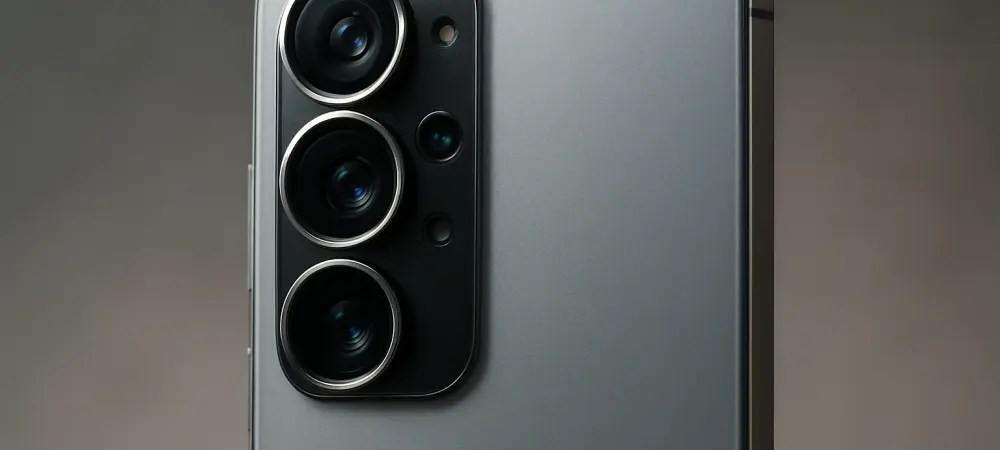
As we dive into the world of cutting-edge smartphone technology, I’m thrilled to sit down with Dominic Jainy, an IT professional whose deep expertise in artificial intelligence, machine learning, and blockchain brings a unique perspective to the table. With a keen interest in how these technologies intersect with consumer devices, Dominic is the perfect person to help us unpack the latest rumors and leaks surrounding the highly anticipated Samsung Galaxy S26 Ultra, particularly its camera system. Today, we’ll explore the heated debates over hardware upgrades, innovative features, and design challenges that could shape the future of mobile photography.
How did the buzz around the Galaxy S26 Ultra’s camera system start, and what’s got everyone so excited?
Well, the excitement kicked off with leaks from some prominent tipsters who have conflicting views on the camera specs, especially the 3x telephoto lens. One side claims an upgrade in resolution, while the other suggests a potential downgrade in sensor size. Beyond that, there’s talk of significant lens improvements and new software features that could redefine how we capture moments. It’s this mix of uncertainty and innovation that’s got tech enthusiasts on the edge of their seats.
Let’s zoom in on the 3x telephoto camera debate. What are the key points of disagreement among leakers?
The core disagreement is about whether the 3x telephoto camera is getting better or worse. One leaker insists it’s jumping from 10 to 12 megapixels, which would mean sharper images. However, another well-known source argues that not only will it stay at 10 megapixels, but the sensor size might shrink from 1/3.52 inches to 1/3.94 inches. That’s a big deal because a smaller sensor could impact image quality, especially in low light, unless other advancements compensate for it.
Speaking of that potential sensor downgrade, how might a smaller sensor affect the photography experience?
A smaller sensor generally captures less light, which can lead to noisier images with less detail, particularly in dim conditions or at higher zoom levels. For a flagship like the S26 Ultra, that’s a risky move. Users might notice grainier shots or softer details when zooming in. However, it’s not a death sentence—advancements in image processing and AI could help clean up the noise and preserve quality, but it’s still a gamble.
On the flip side, there’s talk of lens upgrades for the S26 Ultra. Can you break down what’s rumored for the main camera?
Absolutely. The main 200-megapixel camera is rumored to get a wider aperture, moving from f/1.7 to f/1.4. That might sound like a small tweak, but it’s huge—potentially increasing light intake by nearly 50%. More light means better low-light shots, faster shutter speeds for action shots, and a shallower depth of field for that creamy background blur. It could really elevate the phone’s photography game, especially for nighttime or indoor shooting.
What about the 5x telephoto lens? How does its rumored upgrade play into the overall camera system?
The 5x telephoto lens is also tipped for a brighter aperture, shifting from f/3.4 to f/2.9. That’s about a 37% boost in light capture, which is significant for a longer zoom range. It means clearer, brighter images when you’re zoomed in, especially in less-than-ideal lighting. For anyone into wildlife or sports photography, or just capturing distant subjects, this could make a noticeable difference in quality.
Beyond the hardware, there are whispers of new camera features. Can you explain what the 24-megapixel default mode might offer users?
Sure, the rumored 24-megapixel default mode seems to be a middle ground between the full 200-megapixel resolution and lower settings. It likely uses pixel binning to combine data from multiple pixels into one, balancing detail with file size. For everyday users, this could mean sharper, more vibrant photos without eating up storage space or requiring heavy processing. It’s a practical approach for social media snaps or quick shots where you still want great quality.
There’s also mention of ‘adaptive pixel’ technology. How could that change the way we take photos?
Adaptive pixel technology is intriguing—it’s said to combine multiple low-resolution shots into a single high-resolution image. Think of it as a smarter way to boost detail without relying solely on a massive sensor. This could be a game-changer for zooming or cropping, as you’d retain more clarity even after editing. It’s likely powered by AI, dynamically adjusting based on the scene, which could make photography more versatile and forgiving.
Another feature in the leaks is a focus speed slider and new HDR options. What impact might those have on photo and video quality?
A focus speed slider would give users more control over how quickly the camera locks focus, which is great for both stills and video. You could slow it down for cinematic, smooth transitions or speed it up for fast-paced action. As for the HDR options, being able to toggle between HDR10+ and standard HDR for video recording means more flexibility in balancing brightness and contrast. It could help avoid overblown highlights or crushed shadows, tailoring the output to different viewing platforms or creative preferences.
Samsung is also rumored to introduce a new video codec called APV. Can you tell us how this stacks up against something like Apple’s ProRes?
APV, or Adaptive Pixel Video, appears to be Samsung’s take on a high-quality video format similar to Apple’s ProRes. It’s designed to offer better video editing capabilities with smaller file sizes compared to raw formats. Like ProRes, it likely preserves more color and detail for post-production, but with AI optimization to keep storage demands in check. If done right, it could make the S26 Ultra a serious tool for videographers who need professional-grade output without clogging up their device.
Finally, with all these rumors swirling, what’s your forecast for the future of smartphone camera technology based on what we’re seeing with the Galaxy S26 Ultra?
I think we’re heading toward a future where smartphone cameras rely less on raw hardware upgrades and more on intelligent software and AI-driven enhancements. The S26 Ultra leaks suggest a focus on light capture, adaptive processing, and user-friendly features over just packing in bigger sensors. My forecast is that within the next few years, we’ll see cameras that act more like creative partners—automatically optimizing settings, suggesting edits, and even predicting the best moments to shoot, all while maintaining compact designs. Samsung’s moves here could set the tone for the industry.