

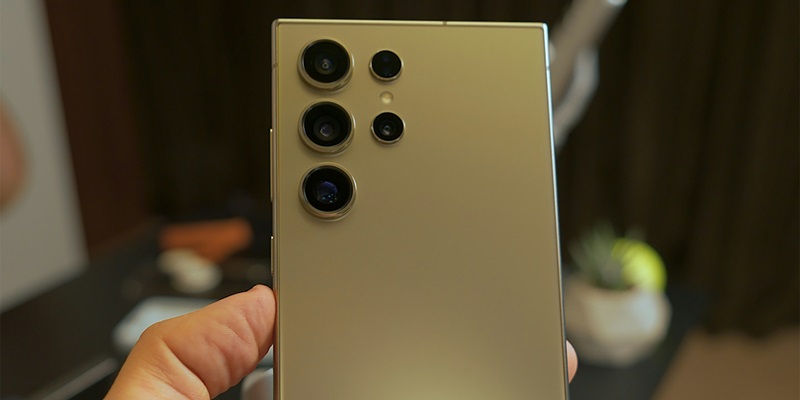
The Samsung Galaxy S24 Ultra, part of Samsung’s flagship series released approximately six months ago, is poised for a significant upgrade aimed at enhancing its already impressive camera capabilities. As per insights from reputable leaker Ice Universe, users of the Galaxy S24 Ultra can anticipate a thorough software update aligned with the August 2024 Android security patch. This update is poised to address and refine several key aspects of the device’s camera performance, further solidifying Samsung’s commitment to delivering superior photographic experiences. The excitement around these updates underscores the importance of continual improvement and responsiveness to user feedback for maintaining a competitive advantage in the smartphone market.
Primary Focus Areas for Enhancement
The core of these enhancements revolves around six critical areas: HDR refinements, more natural-looking faces, reduced photo overprocessing, reduced overexposure, optimized white balance, and improved video zoom capabilities. These improvements aim to elevate the photographic experience by delivering more accurate and aesthetically pleasing images. Samsung’s focus on natural-looking faces and optimal white balance highlights its dedication to real-world usability, ensuring that photos appear true to life. Addressing issues like photo overprocessing and overexposure, which have been longstanding challenges for smartphone cameras, shows Samsung’s proactive stance in resolving these user concerns. Video zoom improvements further enhance the versatility of the Galaxy S24 Ultra’s camera, making it a more comprehensive tool for various shooting conditions.
Reports suggest that Samsung is also working on refining the quality of the telephoto sensor, along with enhancing the primary camera’s performance in low-light conditions, particularly at zoom levels beyond 10x. This focus on the telephoto sensor and low-light conditions indicates Samsung’s intent to push the boundaries of what smartphone cameras can achieve. Photographic quality at high zoom levels has often been a weak spot for many smartphones, and these enhancements could potentially set the Galaxy S24 Ultra apart from its competitors. Through these series of updates, Samsung continues to cater to photography enthusiasts by providing an advanced and flexible camera system.
Evidence from Beta Testing
Ice Universe, who has already tested the August update through a beta software channel, has provided promising insights and photographic evidence demonstrating the changes. The leaker’s tests reveal refined color handling and improved dynamic range, which are crucial for capturing detailed and vibrant images. Such proactive beta testing not only showcases Samsung’s dedication to quality control but also builds anticipation and credibility among potential users. Demonstrating these changes through photographic evidence helps users visually grasp the improvements, making the anticipation for the official rollout even more concrete.
The beta testing phase serves as a critical checkpoint for identifying and fixing any potential issues before the update’s official release. This method underscores Samsung’s commitment to delivering a polished product that meets user expectations. By engaging in this rigorous testing process, Samsung ensures that the upgrade will provide tangible benefits to its users. The collaboration between Samsung and its user base through such beta tests exemplifies a customer-centric approach, fostering a sense of community and involvement in the development process.
Focus on Flagship Model and Future Innovations
The Samsung Galaxy S24 Ultra, part of Samsung’s flagship series released about six months ago, stands on the cusp of a significant update that promises to enhance its already notable camera capabilities. According to credible leaker Ice Universe, Galaxy S24 Ultra users can look forward to a comprehensive software update in line with the August 2024 Android security patch. This forthcoming update aims to fine-tune and refine several critical aspects of the device’s camera performance, thereby reinforcing Samsung’s dedication to delivering exceptional photographic experiences. The buzz surrounding these updates highlights Samsung’s commitment to continuous improvement and attentiveness to user feedback, which are crucial for maintaining a competitive edge in the ever-evolving smartphone market. By keeping their devices updated and listening to their user base, Samsung ensures that they remain a top contender. This planned update accentuates not just the brand’s focus on technological innovation but also their responsiveness to evolving consumer needs and market dynamics.