

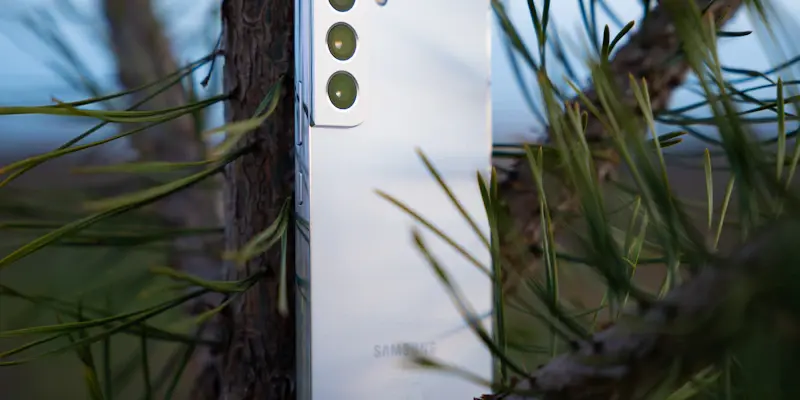
Imagine eagerly waiting for a software update that promises enhanced features and improved performance, only to have it turn your beloved device into an expensive paperweight. This nightmarish scenario has become a reality for some owners of the Samsung Galaxy S22 following the rollout of One UI 6.1. Launched in September, the update has led to a cascade of complaints from users, who report their devices have become plagued with issues ranging from jerky displays to total usability failure.
Samsung has responded to these reports by pinpointing defective mainboards as the root cause, suggesting that the required repairs might not be covered under warranty. The financial implications of these repairs are hefty, with some users in India facing costs around $480 and those in the UK seeing even steeper fees, exceeding $600. Similar situations have been reported in Germany, where Samsung’s stance towards accommodating affected users seems to be equally stringent.
Frustrated Users and Costly Repairs
The One UI 6.1 update, rather than providing the expected benefits, has caused significant frustration among Samsung Galaxy S22 owners due to the severity of the issues experienced. A number of affected users have found their devices unusable, stuck in a boot loop that renders their smartphones effectively bricked. The number of affected users remains uncertain, but the online complaints indicate a serious problem that needs urgent attention. Consequently, users are expressing their dissatisfaction not only with the update itself but also with Samsung’s response.
Samsung’s explanation that defective mainboards are to blame has added fuel to the fire. The company has indicated that these issues might not be addressed under warranty, resulting in high out-of-pocket repair costs for S22 owners. The financial burden is considerable, especially in regions where repair costs are notably high. For instance, in India, users reported repair costs of approximately $480, and UK users mentioned costs exceeding $600. Reports from Germany also suggest that Samsung’s support in these cases has been less accommodating, sparking further indignation among customers.
Samsung’s Investigation and Users’ Responses
While one user has managed to solve the issue on their own, this example is rare. Most affected users continue to rely on Samsung for a solution. Recognizing the increasing dissatisfaction, Samsung released an initial statement saying they are investigating the problem and will handle each warranty claim individually. This has done little to ease users’ frustration; many feel Samsung’s response has been lacking and have expressed their concerns online.
The situation highlights the critical need for thorough post-update support from manufacturers. When software updates lead to hardware issues, users expect quick and effective solutions, particularly from a global tech leader like Samsung. The steep repair costs and perceived lack of support have worsened the frustration, causing users to demand a more accommodating approach from Samsung regarding warranty and repair support.
As Samsung continues its investigations, the wider user community remains watchful, hoping for further updates that offer satisfactory solutions. The consensus among affected users underscores the importance of proactively addressing the risks linked with software updates. Ensuring comprehensive post-update support is vital for maintaining customer trust and satisfaction. Samsung’s forthcoming steps will be crucial in determining how well they handle this challenge and restore confidence among their Galaxy S22 customers.