

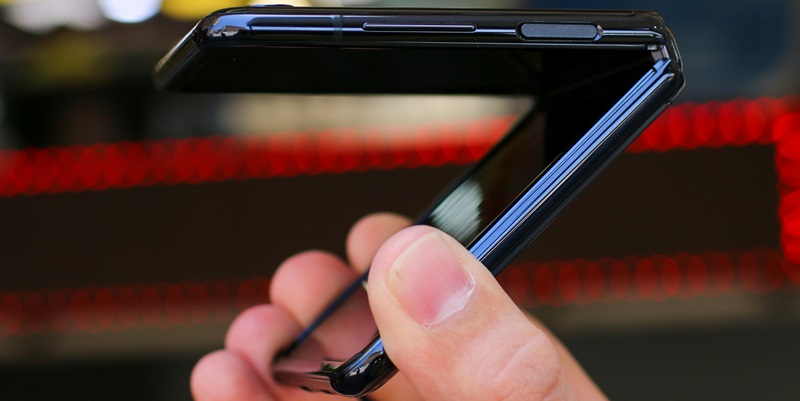
In the realm of smartphone technology, user security stands as an unassailable fortress that must be regularly reinforced to thwart crippling cyber-attacks. Samsung, a vanguard in this digital battleground, has recently deployed a firmware update for its Galaxy Z Flip 5 device, focusing principally on fortifying the phone’s defenses and calibrating its performance. This latest enhancement is not merely superficial; it embeds the June security patch designed to nullify an alarming tally of 59 security vulnerabilities. This meticulous reinforcement acts as a bulwark against the relentless onslaught of cybersecurity threats, thereby securing the sanctity of user data.
Enhanced Protection and Performance
Tackling Security Vulnerabilities
In today’s hyper-connected world, a smartphone is more than just a tool for communication—it’s a repository of personal information, a hub for financial transactions, and a gateway to the digital universe. As such, the Galaxy Z Flip 5’s firmware update is a crusade for user safety, with the June security patch acting as its trusty shield. The assiduity in remedying these vulnerabilities exhibits Samsung’s unyielding vigilance against cyber malfeasance. While the addition of new features may often capture the spotlight, this update opts for subtler refinements to the system’s stability, quietly weeding out errors and optimizing functionality for a smoother user experience.
Rollout and Distribution Strategy
Geographical strategy plays a crucial role in the rollout of the firmware update, commencing in the heart of Central America. Samsung’s strategy is methodical, intending to envelop all regions in a phased approach. As with any strategic deployment, this could mean a waiting game for some users as the update snakes its way across the globe. However, the staggered dissemination is purposeful, aiming to ensure that known security risks are efficiently patched in a systematic manner. Maintaining an equilibrium between security and operational fluidity is paramount, and Samsung’s continued practice of periodic firmware updates stands as a testament to their unwavering commitment towards device longevity and customer assurance.
The Importance of Staying Updated
Prioritizing Security Amidst Cyber Threats
Samsung’s resolve in thrusting security updates to the fore is in recognition of an unrelenting adversarial digital landscape. By integrating the latest security patches into their devices, the tech giant emphasizes the gravity of guarding against the nefarious elements of cyber threats. In the delicate dance of technology enhancements, challenges surface in the form of accessibility delays and the imperative of meticulous testing. Yet, the importance of bolstered security and spruced-up performance functions cannot be overstated—these are the dividends users gain in exchange for embracing the update with alacrity.
Encouraging User Vigilance
Samsung’s commitment to security ensures that the Galaxy Z Flip 5 stands as a veritable stronghold, ready to repel the diverse threats that lurk within the digital realm.