

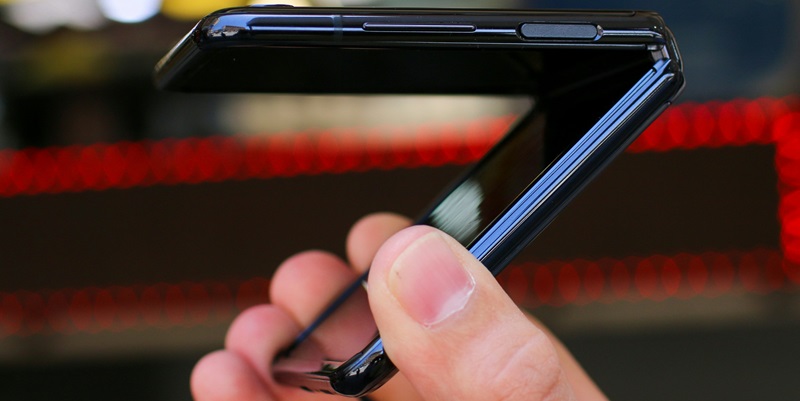
In the tech-centric era we’re threading through, keeping our devices secure is more than a priority—it’s a necessity. The recent firmware update rolled out by Samsung for the Galaxy Flip 5 brings this into sharp focus. Conceived as a continuation of the esteemed Galaxy Z Flip series, the Galaxy Flip 5 stands as a testament to the incredible strides made in smartphone technology, particularly in the foldable niche. This update marks a crucial turning point that goes beyond mere enhancements—it fortifies the phone’s defenses against the unrelenting waves of cyber threats.
Deployed initially in Central America, this update, embodying Google’s June security measures, is soon to make its global march across the continents. Its delivery insulates nearly 59 system vulnerabilities—an impressive feat, showcasing Samsung’s relentless dedication to cybersecurity. Users can breathe easier, knowing that their device isn’t just functionally sound but also a fortress against digital miscreants.
Importance of Regular Firmware Updates
At first glance, a firmware update might not seem like the most exhilarating news on the tech front—there are no flashy new features to tout or groundbreaking enhancements to showcase. However, what’s truly groundbreaking is the depth of behind-the-scenes work that fortifies the Galaxy Flip 5 against security threats. With this update, the core of the system gains augmented stability and ironclad security protocols designed to outpace cunning cyber exploitations. It’s a reflective indicator of a security-centric philosophy, underscoring why firmware updates should never ride backseat in the appreciation of device evolution.
Samsung has long prided itself on upholding the reliability and integrity of its devices. By initiating these updates, they reaffirm their commitment to consumer protection. Clearly, the tech giant understands the balancing act required—implementing significant security measures without undermining battery life or user experience. Although firmware updates come with potential pitfalls such as temporarily hampering battery performance or introducing new bugs, the end goal remains sacrosanct: an improved, secure user experience.
Staying Updated with Firmware Enhancements
Samsung’s effort to dispatch vital firmware updates underlines the criticality of up-to-date software for peak device functioning. These updates transcend smoothing out the user experience; they protect our digital realms from unauthorized access. As our data and privacy skate on thin ice, Samsung’s updates echo their commitment to staying ahead in the cutthroat arena of foldable smartphones.
The users of the Galaxy Flip 5 are not merely carrying a trendy tech piece; the newest update transforms their gadgets into fortresses of digital defense. Samsung beckons users to monitor their official website for thorough guidelines and fresh updates, demonstrating openness and assistance. Such dedication is emblematic of top-tier consumer service and cements the brand’s relationship with its customers. Moreover, it sends a resolute message to the technology sphere: Samsung is perpetually strategizing for future challenges in safeguarding digital security. This foresight is why Samsung remains a top contender in the dynamic market of tech innovation.