

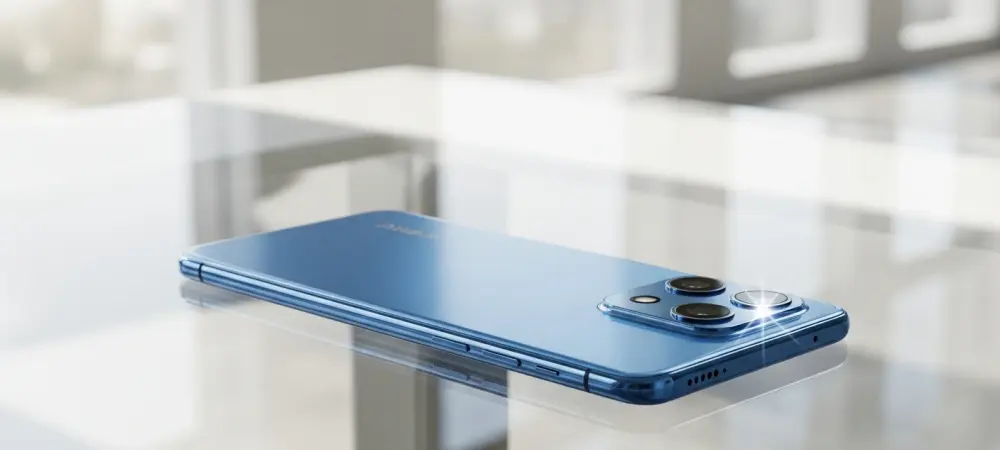
Dominic Jainy, a seasoned IT professional with a sharp eye for the intersection of hardware and software, joins us to discuss the recent leaks surrounding the Samsung Galaxy A27. As the mobile industry moves toward more refined designs even in budget-friendly categories, Dominic provides a technical perspective on how Samsung is evolving its A-series to meet modern expectations. Our discussion covers the transition from the legacy waterdrop notch to a modern hole-punch display, the strategic shift toward Qualcomm processors, and the implications of the upcoming Android 16 integration.
Transitioning from a waterdrop-style notch to a hole-punch cutout often signals a major shift in design philosophy; how do you see this change impacting the visual appeal and functionality of the Galaxy A27 compared to the previous model?
Moving to a hole-punch cutout is a pivotal change that instantly elevates the phone’s aesthetic from entry-level to a much more sophisticated, modern feel. When you hold a device that measures 162.4×78.2×7.8 mm, every millimeter of screen real estate matters, and removing that intrusive waterdrop notch creates a seamless visual flow for streaming or scrolling through feeds. It is not just about the look; it is about the immersion you get when those relatively thin bezels wrap around a clean, flat display. This change, paired with a 12-megapixel front-facing camera tucked neatly away, signals that Samsung is no longer content with its mid-range phones looking like older, budget versions of its flagships.
The rumor mill suggests a significant move away from the in-house Exynos chipset to a Qualcomm Snapdragon 6 Gen 3; what impact will this have on the device’s longevity and daily performance?
Swapping an Exynos processor for the octa-core Snapdragon 6 Gen 3 chipset is a strategic play that will likely resonate with users who prioritize consistent performance and thermal efficiency. With up to 8GB of RAM and 256GB of onboard storage, the Galaxy A27 is being built to handle the heavy lifting required by the upcoming Android 16-based OneUI 8.5. You can feel the difference in snappiness when jumping between apps or processing high-resolution images from the 50-megapixel main sensor. It is a move that provides a sense of security, knowing the hardware is optimized to keep pace with intense software updates for several years to come.
Beyond the screen, the leaks point to a very specific aesthetic with the pill-shaped camera module and flat rear panel; how does this design language balance functionality with the modern look users crave?
The tactile experience of a phone is just as important as its internal specs, and at approximately 200g, the Galaxy A27 hits that sweet spot of feeling sturdy without being cumbersome. The flat rear panel, available in striking Black, Blue, and Light Pink, offers a clean and minimalist canvas that really lets the pill-shaped camera module stand out in the top-left corner. By keeping the left side of the frame entirely clean and clustering the power and volume controls on the right, Samsung has optimized the device for natural, one-handed use. It feels like a deliberate return to a more industrial, flat-edge design philosophy that many users find more secure to grip during a busy daily commute.
With the inclusion of a 5,000mAh battery and the anticipated OneUI 8.5, how is Samsung positioning the Galaxy A27 to handle the demands of future software and optics?
Battery anxiety remains one of the biggest hurdles for smartphone users, so sticking with a 5,000mAh battery is a smart, consumer-first decision that ensures the phone lasts through a full day of heavy use. Supporting this large capacity with 25W wired fast charging means you aren’t tethered to a wall for hours, which is crucial for a device meant to be a daily workhorse. When you combine this hardware with the triple rear camera system—led by a 50-megapixel main shooter with optical image stabilization—you get a system that needs reliable power to process those crisp, steady shots. It is about creating a dependable rhythm where the user never has to second-guess if their phone will make it to the end of a long night out.
What is your forecast for the Samsung Galaxy A27?
I predict the Galaxy A27 will become the benchmark for what a balanced mid-range device should look like in an increasingly competitive market. By focusing on high-impact upgrades like Optical Image Stabilization for the 50-megapixel lens and a more efficient Qualcomm brain, Samsung is narrowing the gap between its premium and affordable lineups. We will likely see a significant shift in consumer loyalty toward this series as people realize they do not need to spend flagship prices to get a sleek, 7.8 mm thin device that performs reliably. It is a calculated move that prioritizes the core user experience and builds a very strong foundation for the future of the A-series.