

The emergence of the Oppo Find X9 series marks a definitive shift in the mobile industry, where the raw power of silicon finally satisfies the artistic demands of professional imaging. By integrating cutting-edge hardware with a legacy of photographic excellence, this series attempts to bridge the gap between consumer electronics and specialized creative tools. This review explores how the evolution of the Find series has redefined the premium landscape, focusing on its unique technological implementations and the real-world impact of its ruggedized, high-performance design.
Evolution of the Oppo Find Series and the Premium Smartphone Market
The Find X9 series represents the culmination of a multi-year effort to dominate the premium segment through the lens of professional photography. At its core, the series centers on a collaboration with Hasselblad, moving beyond basic branding toward a deep integration of color science and optical physics. This partnership serves as the foundation for the series, positioning the device not merely as a communication tool but as a legitimate alternative to traditional mirrorless cameras for mobile professionals.
This shift reflects a broader trend in the technological landscape where consumers no longer prioritize incremental processor bumps over tangible utility. The Find X9 series addresses this by focusing on extreme durability and professional-grade sensors. This dual-focus strategy has effectively raised the ceiling for flagship expectations, forcing competitors to rethink the balance between aesthetic luxury and raw, functional resilience in high-stakes environments.
Key Technical Innovations and Hardware Performance
Flagship Processing Power and Display Technology
The internal architecture of the series showcases a strategic divergence between the Ultra and standard models. The Find X9 Ultra utilizes the Snapdragon 8 Elite Gen 5, a chipset that excels in heavy computational photography and AI-driven tasks. In contrast, the Find X9s adopts the MediaTek Dimensity 9500s, which offers a highly efficient alternative for users who prioritize sustained multitasking and thermal stability without sacrificing the flagship feel.
Complementing this power are the QHD+ AMOLED displays, which provide a 120Hz refresh rate to ensure fluid navigation. These panels utilize advanced LTPO technology to manage power consumption while delivering a color accuracy that remains consistent even under direct sunlight. The significance of this technology lies in its ability to offer a workstation-quality visual experience within a portable form factor, making it ideal for on-the-go editing.
Next-Generation Imaging Systems and Hasselblad Integration
Imaging is anchored by the 200-megapixel Sony LYT-901 sensor, which provides the Ultra model with an unprecedented level of detail. The technical pipeline allows for massive light intake, reducing digital noise in low-light scenarios that typically cripple smaller mobile sensors. This hardware works in tandem with the Hasselblad color calibration, ensuring that every shot maintains a natural, film-like quality rather than the artificial vibrancy found in most modern smartphones.
The specialized telephoto capabilities further distinguish this system, offering optical clarity at focal lengths previously reserved for dedicated lenses. This allows users to capture distant subjects with a depth of field that feels organic and professional. By refining the image processing pipeline, Oppo has created a system where hardware and software work in a symbiotic relationship to produce professional-grade content.
Battery Longevity and Rapid Charging Infrastructure
To support such intensive hardware, the series features a 7,050mAh battery, a capacity that significantly exceeds the industry average for luxury flagships. This large cell ensures that high-resolution video recording and 5G connectivity do not deplete the device before the end of a workday. The engineering behind such a dense battery involves new chemical compositions that maintain a slim profile despite the increased energy storage. Charging performance is equally impressive, with 100W wired and 50W wireless options that minimize downtime. This infrastructure is vital for professional users who may only have minutes to recharge between assignments. By addressing the fundamental constraint of battery life, Oppo has ensured that the Find X9 series remains a reliable tool for long-duration tasks and high-performance mobile computing.
Emerging Trends in Mobile Software and Durability Standards
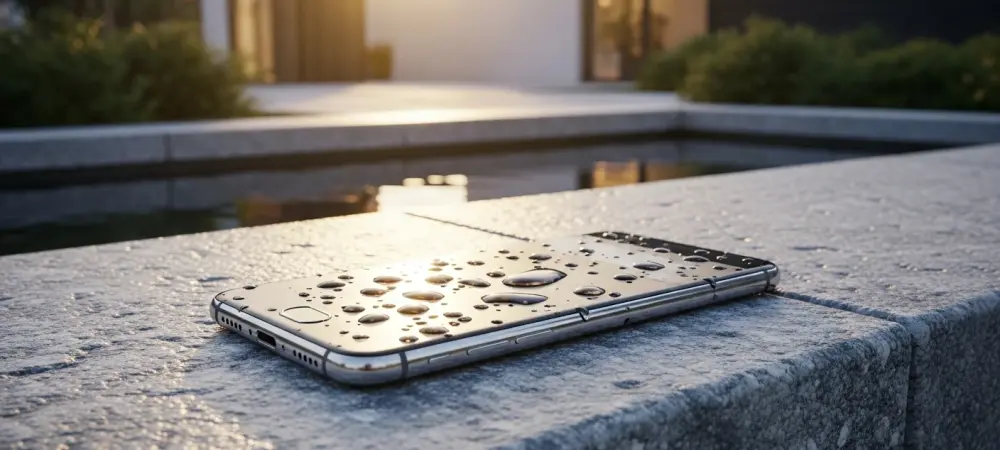
ColorOS 16, based on Android 16, introduces a software environment that is both intuitive and deeply customizable. The interface focuses on reducing friction for the user, utilizing AI to predict app usage and optimize background processes. This software layer is essential for translating the raw power of the chipsets into a smooth, everyday user experience that feels responsive to the specific needs of the individual. Perhaps the most significant trend seen in this series is the move toward extreme environmental resistance. The combination of IP66, IP68, and IP69 ratings ensures the device can withstand not just immersion, but also high-pressure water jets and fine dust ingress. This level of durability shifts the narrative of luxury smartphones from being fragile status symbols to being rugged, dependable equipment capable of operating in any climate.
Real-World Applications for High-End Imaging and Productivity
The real-world utility of the Find X9 series is most evident in the sectors of mobile journalism and professional content creation. The high-resolution sensors and lossless zoom allow journalists to capture broadcast-quality footage without carrying bulky gear. In luxury enterprise environments, the device serves as a secure, powerful hub for data-heavy tasks, offering a level of performance that mirrors a traditional laptop in a more versatile package.
Furthermore, the ruggedized build provides a competitive edge for professionals working in field-based industries such as construction or environmental research. While standard consumer devices might fail in these conditions, the Find X9 series remains operational, proving that high-end technology does not have to be delicate. This blend of premium design and military-grade resilience represents a new category of mobile utility.
Market Obstacles and Technical Hurdles
Despite its technical prowess, the series faces significant market hurdles, particularly regarding its steep pricing structure. In competitive markets, convincing consumers to transition to a luxury tier requires more than just specifications; it requires a strong brand ecosystem. Additionally, cooling high-performance chipsets during intensive 8K video sessions remains a technical challenge, as the compact frames of these phones offer limited space for advanced thermal dissipation systems.
The software optimization process also presents a hurdle, as the integration of deep AI features must be balanced against battery life and privacy concerns. Managing these complexities while attempting to gain a foothold in the luxury smartphone segment requires a delicate balance of marketing and engineering. Oppo continues to refine these aspects, focusing on long-term software support to build consumer trust in its flagship lineup.
The Future Trajectory of Oppo’s Flagship Technology
The trajectory of the Find series points toward a future where AI-integrated photography becomes even more autonomous, potentially predicting lighting changes before the shutter is pressed. There is also potential for a shift toward solid-state battery technology, which would allow for even larger capacities in thinner shells. These innovations suggest that the smartphone will continue to evolve into a specialized hub for both creative and computational tasks.
Long-term, the impact of these technologies will likely reshape the mobile industry, as the demand for portable, resilient computing grows. As the Find X9 series continues to push the boundaries of what is possible, it sets the stage for a new era where the distinction between a phone and a professional workstation is entirely erased. These developments highlight Oppo’s commitment to leading the next wave of mobile innovation.
Final Assessment and Summary of the Find X9 Series
The Find X9 series successfully challenged the traditional boundaries of the flagship market by delivering a device that was as resilient as it was technologically advanced. It proved that a mobile platform could function as a primary tool for professional creators while surviving the rigors of extreme environmental conditions. Ultimately, the series solidified a new standard for luxury hardware, demonstrating that the future of mobile technology belonged to those who could balance raw performance with functional durability.