

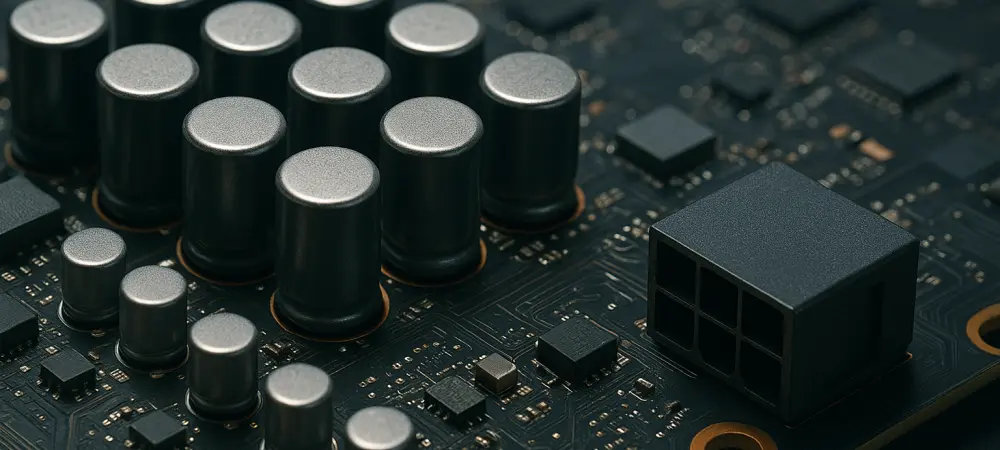
The relentless pursuit of graphical dominance has pushed the Blackwell architecture to the absolute limits of electrical physics, demanding a power delivery system that can withstand unprecedented thermal and current loads without compromise. This evolution centers on a 575W TDP requirement, a figure that necessitates a departure from traditional efficiency standards toward a high-wattage paradigm. The emergence of the 12VHPWR connector was intended to streamline this transition, yet it has become a central point of contention as the industry balances raw performance with the physical constraints of power density. Managing such extreme thermal demands requires not just cooling but a fundamental rethink of how current flows into the GPU silicon.
Introduction to Next-Generation GPU Power Architecture
The power architecture of the Blackwell series reflects a shift where the GPU is no longer a mere component but a localized high-power node within the chassis. This design philosophy emphasizes high-wattage components to sustain the massive transistor counts required for modern AI and rendering tasks. Consequently, thermal management has evolved from a secondary concern into a primary engineering bottleneck, dictating the physical size and layout of flagship hardware.
Technical Analysis of the Modified Power Configuration
The Shift from 16-Pin 12VHPWR to Triple 8-Pin Connectors
Moving away from the compact 16-pin design toward a triple 8-pin Mini-Fit Jr. setup provides a more robust physical interface for current distribution. While the 12VHPWR connector attempts to consolidate power, the traditional 8-pin standard benefits from larger contact areas and lower electrical resistance. This configuration effectively mitigates the risk of thermal runaway by spreading the load across three distinct physical channels, ensuring that no single connection point exceeds its safety threshold during peak operation.
Hardware-Level Signal Manipulation and Sense Pin Bridging
To facilitate this unconventional power routing, hardware-level modifications are required to bypass restrictive factory firmware. Specifically, bridging the Sense 0 and Sense 1 pins tricks the GPU into detecting a high-capacity power source regardless of the actual connector type used. This manipulation overrides internal TDP limiters, allowing the hardware to draw current far beyond its native specifications. It is a calculated risk that shifts the responsibility of safety from the manufacturer’s logic to the user’s manual hardware oversight.
Current Trends in Enthusiast Power Management
The enthusiast community has begun to favor over-engineered power delivery systems as a reaction to the perceived fragility of the current 16-pin standard. This trend toward massive, multi-connector setups represents a growing pushback against miniaturization in high-performance computing. Rather than accepting the risks associated with the “meltgate” era, users are prioritizing the proven reliability of legacy standards to protect their substantial hardware investments.
Real-World Performance and Stress Testing Applications
Experimental stress testing has revealed that the Blackwell silicon can achieve staggering stability when freed from standard power constraints. Reaching 3.4GHz clock speeds while drawing 900W demonstrates the incredible headroom inherent in the chip, provided the delivery system remains stable. Such results are typically reserved for professional overclockers who use sub-ambient cooling to counteract the massive heat generated by 70-amp loads on the 12V rails.
Challenges and Thermal Safety Limitations
Despite the success of these modifications, the industry faces significant market obstacles that prevent a return to older 8-pin standards. The physical footprint of multiple connectors complicates PCB design and restricts compatibility with smaller cases. Furthermore, third-party specialists continue to struggle with the inherent risks of connector failure under extreme loads, as the push for higher wattage consistently outpaces the development of safer, consumer-grade electrical standards.
The Future Outlook for High-Wattage Power Delivery
Looking ahead, the industry may move toward direct-to-PCB power routing or revised, heavy-duty connector standards to eliminate the current bottlenecks. More robust electrical interfaces will be necessary as power efficiency gains are offset by the demand for even greater computational throughput. The long-term impact on consumer hardware will likely involve more rigid, specialized power supplies that resemble industrial equipment more than traditional PC components.
Final Assessment of the RTX 5090 Power Delivery Review
The analysis established that traditional 8-pin connectors remained the most reliable method for handling flagship power loads under extreme conditions. Experts concluded that the primary failure points in modern GPUs were the connectors themselves rather than the silicon’s inherent power needs. This project proved that alternative engineering could solve safety issues while maintaining top-tier performance levels. Manufacturers realized that a more conservative approach to power delivery would be essential for future high-wattage designs to ensure long-term stability for the enthusiast market.