

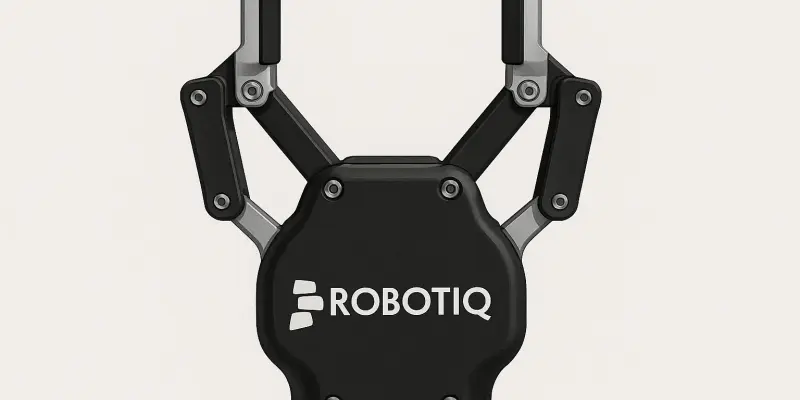
In the ever-evolving landscape of manufacturing, businesses constantly face the challenge of optimizing their processes to stay competitive. A major hurdle often encountered is the need to replace inefficient manual operations with automated solutions, particularly in the realm of palletizing. Robotiq, a leader in collaborative robot technology, has developed an innovative tool designed to address this challenge by streamlining end-of-line automation. This online resource aims to simplify the decision-making process, allowing companies to transition smoothly and confidently into the world of automation without the burdens of lengthy consultancy engagements or aggressive sales tactics.
Simplifying Automation with the Palletizing Fit Tool
Creating Custom Solutions with Ease
The Robotiq Palletizing Fit Tool stands out by offering a user-friendly interface that requires no prior experience in robotics, enabling businesses to chart out their automation strategies with less hassle. Users are guided through a succinct questionnaire focused on essential production line details, such as box dimensions, available floor space, and throughput goals. This approach simplifies the complex initial steps by helping users develop a bespoke plan tailored to their specific needs. Upon completing the questionnaire, the tool generates a comprehensive report, detailing the most suitable Robotiq palletizing setup. An included live simulation offers a real-time visualization, allowing companies to see how the proposed solution will function within their operations.
The tool’s simplicity is augmented by the requirement of minimal commitment, removing the prohibitive factor of initial financial investments that often deter companies from embracing new technologies. By eliminating this barrier, the Palletizing Fit Tool encourages a broader range of manufacturers—regardless of their size—to explore and adopt automated palletizing systems. This feature also plays a pivotal role in boosting confidence among decision-makers by presenting clear, data-driven insights that inform and support strategic initiatives for enhancing operational efficiency.
Financial Insights and Broader Benefits
A notable highlight of the Palletizing Fit Tool is its built-in return-on-investment (ROI) calculator. This feature provides a clear financial perspective by allowing businesses to input specific labor costs, operating shifts, and production volumes. The calculator then forecasts the payback period, which can often be within two years, and occasionally, under a year. Beyond financial calculations, the tool offers insights into the operational advantages of automation, focusing on ergonomics and improved working conditions. This holistic perspective demonstrates how automation can enhance the productivity and safety of the manufacturing floor.
By quantifying the costs associated with delaying automation, the tool highlights the potential impacts on labor expenses, production consistency, and operational efficiency. These insights serve as a powerful motivator for companies to move past hesitation and embrace the benefits of automated palletizing. Furthermore, the tool allows companies to communicate effectively across departments, fostering collaboration and mutual understanding of the proposed solution’s expected results. Through these comprehensive evaluations, the Palletizing Fit Tool ensures that businesses have a robust framework for assessing and integrating automation, ultimately leading to enhanced efficiency and reduced operational bottlenecks.
Visualizing Success and Ensuring Smooth Integration
Simulations and Practical Applications
The Palletizing Fit Tool differentiates itself by not only offering recommendations but also simulating the practical application of the robotic system in the user’s specific workspace. By considering important factors like stacking height, pallet patterns, box weights, and cell footprint, the tool ensures a seamless integration of the automation solution into existing workflows. This is backed by the provision of an online simulation link included in the report, giving team members a shared, visual understanding of how the setup will function.
This visual simulation aspect is crucial, as it allows stakeholders to witness the real-time dynamics of the proposed system, facilitating clearer communication and decision-making. It mitigates potential resistance from those unfamiliar with the technology by providing a concrete demonstration of its benefits and performance. In essence, the simulation bridges the gap between initial conceptualization and practical application, ensuring that the proposed automation solution aligns perfectly with the operational realities of the business.
Enhancing Operational Clarity and Confidence
By offering an accessible entry point into automation, the Palletizing Fit Tool empowers companies, whether new to collaborative robots or managing multiple sites. The tool assists in the development of a business case and enables productive stakeholder engagement by eliminating the complexities often associated with adopting new technologies. It demystifies robotics and presents a straightforward, budget-conscious approach—facilitating confident and informed steps toward automation.
Guided by this transparent pathway, companies can navigate the intricacies of automating their palletizing processes with assurance. The comprehensive nature of the tool reduces uncertainty, converting a traditionally daunting transition into an approachable and strategic enhancement of manufacturing operations. As companies continue to seek advanced productivity and efficiency solutions, tools like Robotiq’s Palletizing Fit Tool offer a valuable resource that aligns with the industry’s growth trajectory.
Paving the Way for Future Optimization
In today’s rapidly changing manufacturing industry, businesses must continuously optimize their processes to maintain a competitive edge. One significant challenge is replacing inefficient manual tasks with automated systems, especially in areas like palletizing. Robotiq, a pioneering company in collaborative robotic technology, has tackled this issue by developing an innovative tool aimed at enhancing end-of-line automation. This resource is designed to simplify the decision-making process for companies eager to embrace automation. It empowers businesses to transition with ease and confidence, eliminating the need for prolonged consultancy services or high-pressure sales tactics. By reducing the complexities traditionally associated with adopting automation, Robotiq enables organizations to improve efficiency and productivity without unnecessary hurdles. Emphasizing user-friendly solutions, this tool helps companies make informed choices, adapting to the evolving demands of the industry and ensuring they remain at the forefront of technological advancements.