

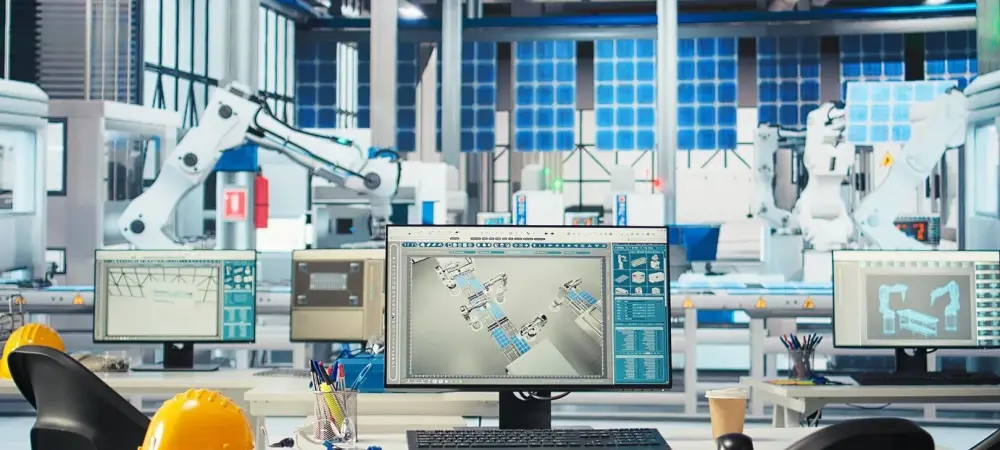
Microsoft Copilot AI merged with Dynamics 365 Finance & Supply Chain Management (F&SCM) is transforming the U.S. manufacturing industry. These technologies catalyze innovation, driving efficiency, productivity, and financial agility through advanced automation and analytics. This market analysis explores emerging trends, insights, and the future landscape of U.S. manufacturing shaped by these tools.
The Technological Metamorphosis in Manufacturing
As the U.S. manufacturing sector continues to advance, the integration of Microsoft Copilot AI and Dynamics 365 F&SCM presents groundbreaking opportunities for companies seeking competitive gain. These technological solutions enhance manufacturing processes by streamlining operations, improving supply chain resiliency, and bolstering financial decision-making. At the core, Copilot AI and Dynamics 365 bring intelligent automation and predictive analytics to the forefront, revolutionizing traditional manufacturing practices with state-of-the-art functionality.
Critical Market Trends and Analytics
Forecasting Operational Dynamics and Efficiency
The evolution of AI-powered tools in manufacturing has marked a significant shift in operational strategies. Predictive maintenance, powered by Copilot AI’s analytics, plays a vital role in minimizing machine downtime and reducing maintenance costs. Real-world results show substantial financial savings and increased uptime, though the integration of analytics remains a challenge for many. Enhancing operational dynamics through advanced AI has been a substantial trend that continues to gain momentum.
Enhancing Supply Chain Management Visibility
With increasing complexities in supply chain management, Microsoft Copilot’s intelligent forecasting capabilities provide a solution to demand shifts and inventory management. These tools empower manufacturers to adapt efficiently to market dynamics, ensuring a more resilient supply chain. The reliance on AI for managing complex inventory systems highlights the significance of intelligent automation, though manufacturers must also address cybersecurity concerns and data management as they expand their digital presence.
Financial Decision-Making and Automation
Copilot AI enhances financial landscapes by providing insightful data analytics for real-time decision-making. By automating time-consuming processes, manufacturers gain heightened financial agility and improve budgeting strategies. These solutions lead to better allocation of resources and focus on strategic growth areas, aligning manufacturing processes with current market demands and economic shifts.
Future Implications and Strategic Directions
The continuous advancement of AI technologies suggests a profound transformation in manufacturing approaches. Industry leaders predict that further integration of intelligent automation will dominate the market, resulting in enhanced operational agility and sustainability. Strategic insights for manufacturers include focusing on upskilling the workforce, strengthening cybersecurity defenses, and cultivating a culture open to AI innovations. By leveraging the capabilities of Microsoft Copilot AI and Dynamics 365, manufacturers can achieve substantial growth and secure a competitive edge.
Key Takeaways and Recommendations
The remarkable impact of Microsoft Copilot AI and Dynamics 365 in reshaping the U.S. manufacturing industry cannot be ignored. These solutions have driven significant technological advancements, paving the way for a more efficient, agile, and financially sustainable industry. By embracing these tools, manufacturers set themselves up to navigate evolving challenges and seize future opportunities. Strategic emphasis should be placed on integrating these AI solutions to sustain innovation and maintain industry leadership in the ever-changing landscape.