

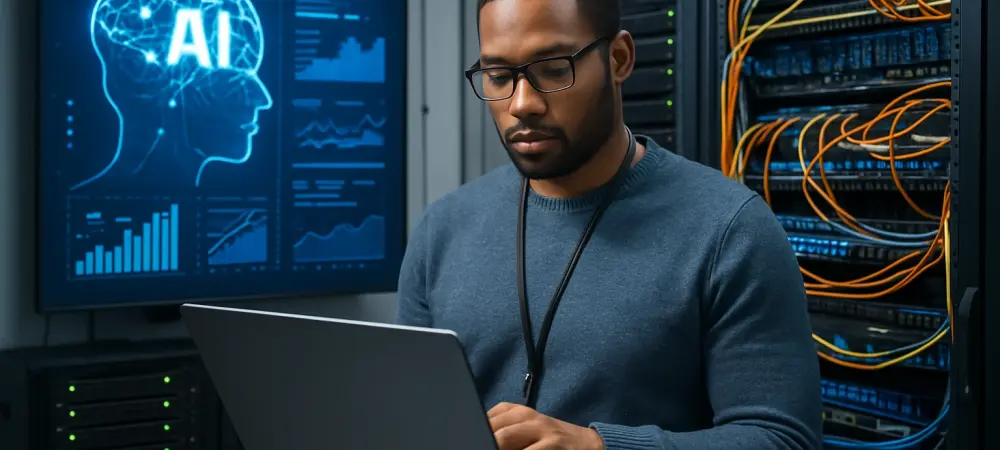
Navigating the digital frontier, artificial intelligence (AI) sweeps across enterprise landscapes, inviting excitement and apprehension in equal measure. The pivotal question looms large: Is AI a formidable ally poised to enhance platform engineering or a disruptor threatening to displace dedicated teams?
The Intersection of Promise and Concern
In today’s technology-driven era, the rapid integration of AI into internal developer platforms (IDPs) presents a fascinating paradox. On one hand, the potential for AI to streamline operations and automate mundane tasks promises an unprecedented boost to efficiency. Yet, on the other, apprehensions regarding its impact on technical debt, sustainability, and skill erosion cloud its reception, urging a closer examination of a more human-centric approach to platform engineering.
AI’s Impact: Streamlining Without Displacement
AI’s role in platform engineering becomes evident as it takes on repetitive tasks with remarkable precision. Automating documentation generation and enhancing onboarding processes are just a few areas where AI demonstrates its value. Moreover, its capability to navigate intricate toolchains with ease underscores its position as a facilitator that allows teams to focus on innovation and complex problem-solving rather than being hampered by routine tasks.
Perspectives from the Field: Balancing Innovation and Intuition
Industry experts weigh in on AI’s nuanced role within platform engineering, advocating for a balanced approach. While AI’s capabilities shine in handling structured processes, human intuition and oversight remain invaluable. Anecdotes from seasoned engineers reveal the irreplaceable depth of human insight, emphasizing that while AI can augment efficiency, the decisions and understanding shaped by human experience are critical.
Paving the Way for AI Integration
Successful AI integration in platform engineering centers around viewing it as a supportive instrument rather than a successor. Establishing robust frameworks that ensure harmonious coexistence between AI’s capabilities and human governance is paramount. Such strategies include vigilant monitoring to prevent AI-induced technical debt, promoting a dynamic synergy that strengthens the foundations of IDPs while safeguarding their integrity.
Bridging Today and Tomorrow: A Collaborative Future
The discourse around AI within platform engineering has continually evolved as its potential unraveled in layers. Although AI has already demonstrated its ability to cut through complexity, the path forward requires ongoing collaboration and innovation. As organizations refine their strategies, embracing AI as a conduit for inclusion rather than exclusion, they harness its transformative power thoughtfully and with strategic intent. Industry leaders focus on actionable integration of AI, ensuring a future built on both technological advancement and human-centric approaches—enriching, not overshadowing, the talent it was designed to assist.