

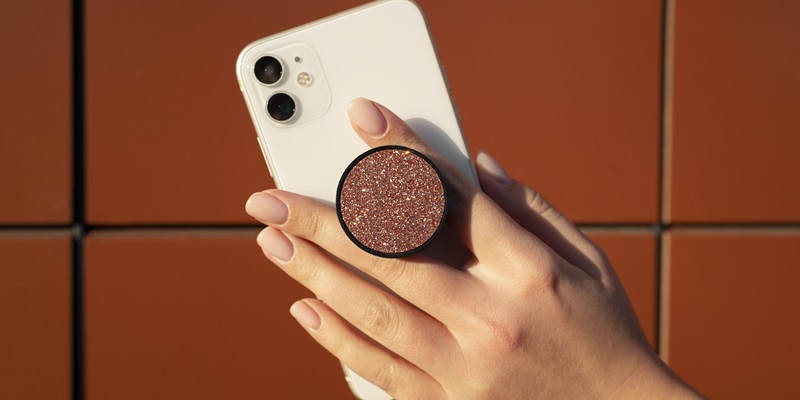
Smartphone case and accessory maker, PopSockets, has unveiled a groundbreaking AI Customizer tool that allows users to design their own unique phone accessories. This innovative feature aims to inspire customers to unleash their creativity and create personalized cases and accessories that are truly one-of-a-kind.
How to Use the AI Customizer Tool
To begin designing their next phone accessory, users can simply visit the dedicated page on the PopSockets website. Here, they can enter a prompt that describes the specific image they want to generate. For those seeking inspiration, guided prompts are available to suggest various subjects, actions, places, colors, and styles. These prompts also showcase trending imagery across different categories.
Once the prompt is entered, the AI Customizer tool rapidly generates unique designs and artwork in just under 60 seconds, providing users with a quick and efficient creative outlet. They can then choose to modify the result, generate new images, or apply the design to any of the available PopSockets products.
Application and Compatibility
The AI Customizer tool supports a wide range of PopSockets products, including their popular phone grips, phone cases, and wallets. Furthermore, it is seamlessly integrated with the company’s new graphic phone case inserts called “Looks.” This compatibility offers users a vast array of options to enhance their phone’s aesthetics while maintaining functionality.
Features of the AI Customizer Tool
Behind the scenes, PopSockets has developed its Customizer AI on a robust and sophisticated large-scale model engine. This cutting-edge technology ensures superior resolution, finer details, and more realistic images. The AI’s capabilities provide users with professional-grade designs that surpass standard customization options.
However, it is worth noting that although the AI Customizer offers impressive results, it may not always produce the desired outcome on the first try. Some users may need to experiment or make multiple attempts to achieve their envisioned design. The tool’s potential for producing variable results provides an element of surprise and encourages users to explore different creative avenues. Additionally, PopSockets is running an exciting contest that rewards the best AI artwork with $100,000 worth of prizes. This initiative further fosters community engagement and encourages users to push the boundaries of their imagination.
The introduction of PopSockets’ AI Customizer tool represents an exciting breakthrough in technology, empowering users to unleash their creativity and express their individuality through personalized phone accessories. The tool’s versatility and compatibility with multiple PopSockets products ensure a broad range of creative possibilities for users to explore.
As the holiday season approaches and beyond, this cutting-edge AI technology truly reflects that imagination knows no bounds. With the AI Customizer tool at their fingertips, users can customize their phone accessories like never before, making each one a true reflection of their unique style and taste. Embrace this opportunity to create and showcase your individuality with PopSockets’ AI Customizer tool.