

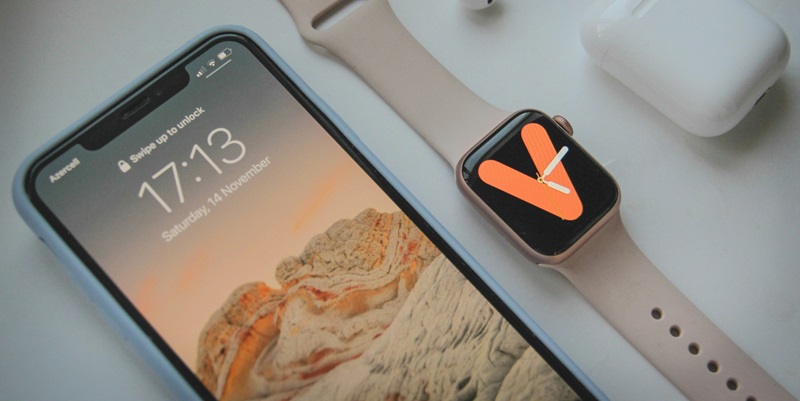
Since the launch of the iPhone, Apple has consistently pushed the boundaries of mobile technology. With iOS 18 on the horizon, an array of exciting new features and enhancements is set to revolutionize how we use and interact with our iPhones. This article delves into the potential impact of iOS 18, exploring various aspects such as iMessage support for the RCS protocol, Siri’s enhanced capabilities, AI-powered features with OpenAI’s GPT technology, app sideloading, third-party payment gateways, and advancements in web browsers.
iMessage Support for RCS Protocol
After much anticipation, Apple has confirmed that iOS 18 will finally introduce support for the RCS (Rich Communication Services) protocol in iMessage. This development opens up a wide range of possibilities, including improved messaging features, enhanced media sharing capabilities, and richer communication experiences with Android users.
Siri’s Enhanced Capabilities
With iOS 18, Apple is expected to supercharge Siri by harnessing generative AI capabilities reminiscent of ChatGPT. This significant enhancement could greatly improve Siri’s conversational skills, as well as its overall responsiveness and accuracy. Users can anticipate a more seamless and natural interaction with their virtual assistant.
AI-Powered Features with OpenAI’s GPT Technology
To further boost the capabilities of iPhones, Apple might leverage OpenAI’s GPT technology, similar to Copilot, to power upcoming AI-backed features. This potential collaboration could lead to unique and innovative applications, ranging from advanced photo editing tools to personalized recommendations and enhancements for virtual assistants.
Introduction of App Sideloading in Europe
According to multiple reports, the iOS 17.4 update will introduce app sideloading in Europe. App sideloading allows users to install applications from outside the App Store, potentially expanding the range of available apps and granting users greater freedom in choosing how they interact with their devices. This feature is set to enhance customization and offer new opportunities for app developers.
Global Implementation of App Sideloading with iOS 18
It is speculated that iOS 18 will bring app sideloading to users worldwide, offering a consistent experience regardless of geographic location. This global expansion is likely to empower users and foster a vibrant app ecosystem, encouraging innovation and versatility.
Third-party Payment Gateway for App Subscriptions
In an effort to foster healthy competition and reduce costs for users, iOS 18 may enable the use of third-party payment gateways for app subscriptions. By breaking away from the current 30% commission structure, developers and users could benefit from more affordable subscription options. This move aligns with Apple’s recent focus on app store policies and offers a positive shift towards a more open and user-friendly environment.
Universal Experience with iOS 18
iOS 18 is set to bridge the gap between different regions, offering a seamless and consistent user experience worldwide. Whether it’s accessing localized content or utilizing region-specific features, users can look forward to an iOS that adapts to their needs, regardless of their location.
Web Browsers Without WebKit in iOS 17.4
The upcoming iOS 17.4 update will allow developers to create web browsers without relying on Apple’s core web browser framework, WebKit. This development opens up exciting possibilities for web browsing experiences, empowering developers to create innovative browsers with unique features and functionalities.
AI-Powered Web Browsing with iOS 18
Supported by recent announcements from prominent brands like Opera, iOS 18 could widely implement AI-powered web browsing protocols. This advancement would enable users to enjoy a desktop-like browsing experience on their iPhones, with features such as advanced tab management, personalized recommendations, and intuitive navigation.
With the release of iOS 18, Apple is poised to redefine the mobile experience once again. From iMessage’s support for the RCS protocol to Siri’s enhanced capabilities and AI-powered features, along with the potential expansion of app sideloading worldwide, iOS 18 promises to bring a host of exciting advancements to iPhone users. These anticipated changes will undoubtedly empower users, foster innovation, and solidify Apple’s position as a pioneer in the mobile industry. The future of iPhone usage and interaction has never looked more promising.