

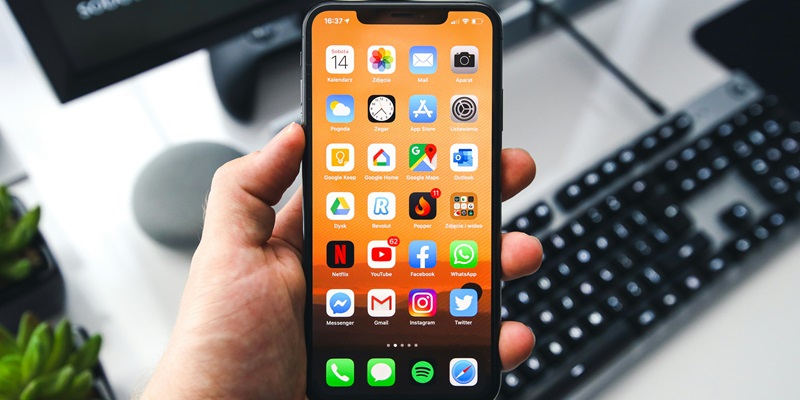
Apple has officially launched iOS 17.4 beta, incorporating sideloading capabilities for users within the European Union in compliance with the new Digital Markets Act (DMA) antitrust legislation. This move marks a significant shift in Apple’s approach to app distribution and aims to address concerns raised by regulators regarding competition in the app market.
Definition of Sideloading
Sideloading refers to the direct installation of apps from sources other than the official App Store. This allows users to have greater control over their app choices and explore a wider range of applications beyond those available on the App Store.
Sideloading not Universally Permitted
While Apple has introduced sideloading capabilities, it is important to note that the company will not universally permit sideloading for all apps. Instead, Apple will allow alternative app stores on iOS, and only these stores will have the capability to distribute apps outside the App Store.
Introduction of Alternative App Stores on iOS
To ensure the security and integrity of app distribution, Apple will appoint certain app stores as “App Marketplaces.” These authorized stores will act as gatekeepers for distributing apps outside of the App Store. By granting exclusive distribution rights, Apple aims to strike a balance between competition and maintaining high standards for app quality and user safety.
Letter of Credit Requirement for Third-Party App Stores
To become an authorized App Marketplace, creators of third-party app stores must provide a letter of credit amounting to at least €1 million. This serves as a guarantee for supporting both developers and customers. By imposing this requirement, Apple aims to enhance consumer protection and strengthen the ecosystem surrounding alternative app stores.
Compliance with Local EU Regulations
In response to local regulations in the European Union, Apple will restrict certain features on its devices to comply with regional laws. These measures are designed to ensure that Apple’s practices align with EU regulations and address concerns surrounding market competition.
Specific Features Limited on Apple Devices
While Apple has announced certain limitations and controls for EU users, the company has not provided detailed information on the specific restrictions. However, one significant feature that EU users will have access to is the capability for third-party apps to utilize Near Field Communication (NFC) for payments without relying solely on Apple Pay. This move opens up new opportunities for developers and promotes a more competitive app market within the EU.
Lack of Detailed Information
Although Apple has implemented restrictions to comply with EU regulations, the company has not disclosed the specifics of these limitations and controls. This lack of information raises questions about the extent to which EU users will be able to leverage alternative app stores and access new features on their Apple devices.
Introduction of “countryd” System
To determine a user’s region and regulate access to sideloading capabilities, Apple has implemented a system called “countryd.” This internal mechanism allows Apple to identify users and apply region-specific rules based on their geographic location.
Apple’s Server-Based List of Enabled Countries
The list of countries where sideloading is enabled will be maintained on an Apple server. This gives the company the flexibility to update the list as needed, responding to regulatory changes and adapting to evolving market dynamics. By managing the list centrally, Apple can ensure compliance with local regulations and maintain control over the distribution of apps outside the App Store.
Apple’s launch of iOS 17.4 beta with sideloading capabilities represents a significant step towards complying with EU antitrust legislation and embracing a more open app distribution model. By allowing alternative app stores and introducing the concept of App Marketplaces, Apple aims to strike a balance between competition and maintaining user safety and app quality. However, the lack of detailed information regarding specific limitations and controls raises questions about the level of freedom European Union users will have with sideloading. As Apple continues to navigate the changing regulatory landscape, it remains to be seen how these developments will impact the broader app ecosystem and consumer experience within the EU.